


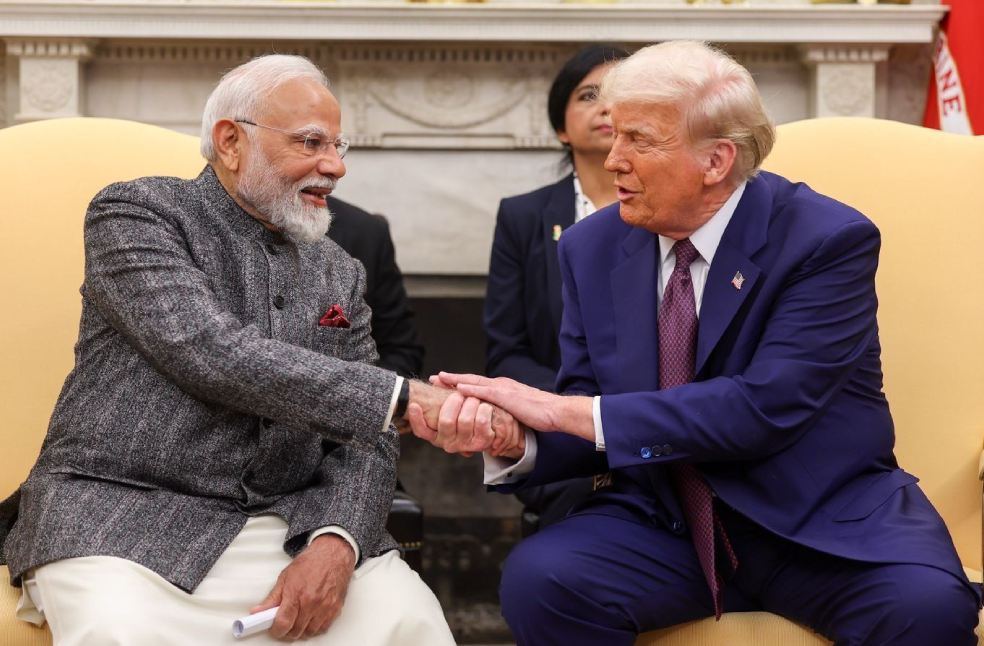
New Delhi: The Trade deal developments between India and the United States have reshaped expectations for bilateral commerce, even as clarity has remained limited.
The trade deal has followed a decision by United States President Donald Trump to reduce reciprocal tariffs on Indian goods from 50 percent to 18 percent, a move that has been welcomed across Indian industry and financial markets. India had faced the highest tariffs globally after import duties were raised from 25 percent to 50 percent in August last year.
The increase had been justified by Washington on the grounds that India’s purchase of discounted Russian oil was helping fund Moscow’s war in Ukraine. Following a telephone conversation with Prime Minister Narendra Modi, Trump has claimed that India would reduce Russian oil purchases and increase energy imports from the United States and potentially Venezuela.
The trade deal has come after months of strained relations triggered by tariff hikes that sharply reduced Indian exports to the United States. Sectors such as textiles, seafood and jewellery, all major job creators, have been among the worst affected. Tariff pressure has also pushed New Delhi to accelerate trade diversification and pursue alternative agreements.
Just days before the announcement with Washington, India and the European Union announced a sweeping agreement eliminating tariff lines on 80 to 90 percent of goods. That deal marked India’s ninth free trade agreement in four years, underlining the urgency created by the delayed trade deal with the United States.
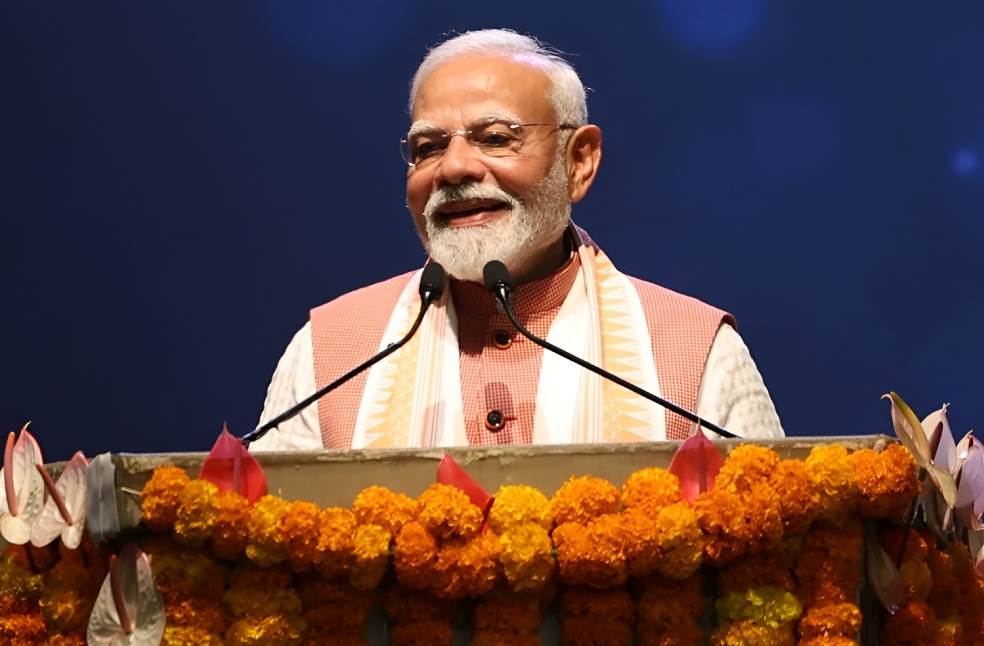
Market participants have welcomed the reduced tariff rate, noting that the 18 percent level has aligned India with regional peers such as Vietnam, Thailand and Bangladesh, which face duties ranging from 19 percent to 40 percent. Fund manager Nilesh Shah has said that, while details are still awaited, the move has eased pressure on the rupee, equity markets and interest rates.
Economists have also viewed the trade deal as strengthening India’s position as a manufacturing alternative to China, given advantages such as lower labour costs, political stability and a large domestic market. Textile exporters have echoed this optimism, highlighting improved competitiveness in the United States, the largest market for Indian apparel.
Despite the positive reaction, trade experts have urged caution. Ajay Srivastava of the Global Trade and Research Initiative has warned that key issues remain unresolved, including product coverage, implementation timelines and commitments on zero tariffs and non-tariff barriers in sensitive sectors such as agriculture.
Claims that India could buy more than $500bn (£395bn) worth of United States goods have also been questioned, as current annual imports remain below $50bn (£39.5bn).
Until a joint statement and legally binding text emerge, analysts have advised treating the trade deal as a political signal rather than a concluded agreement. Even so, the breakthrough after a prolonged impasse has been widely seen as directionally positive, with further negotiation phases expected in the months ahead.
MOST READ | Sara Duterte faces fresh impeachment complaints in Philippines
