


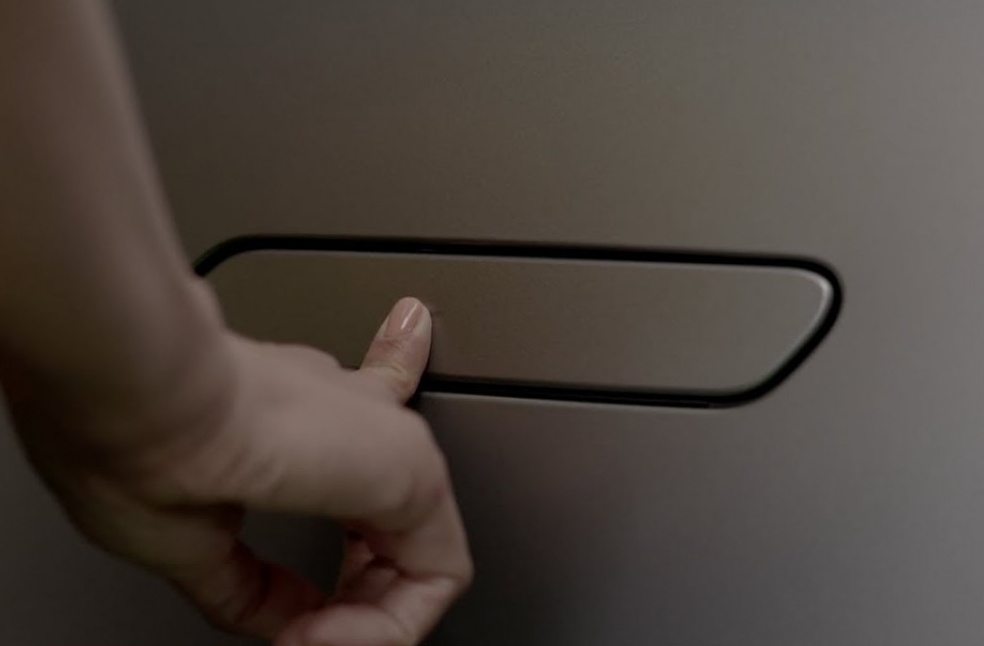
Beijing: China has moved to strengthen electric vehicle safety standards by banning the use of fully hidden car door handles, citing growing concerns over passenger safety during emergencies.
China has taken this step after investigations have linked power failures in electric vehicles to situations where doors could not be opened, raising serious risks for occupants trapped inside damaged cars.
Under the new rules issued by the Ministry of Industry and Information Technology, vehicles will only be approved for sale if they include a mechanical door release on both the inside and outside of every passenger door, excluding the boot.
China has required the exterior of each door to feature a recessed space measuring at least 6 centimetres by 2 centimetres by 2.5 centimetres, ensuring that emergency access to the handle remains possible even during electrical failure. Inside the vehicle, clear signage measuring no less than 1 centimetre by 0.7 centimetres must indicate how doors can be opened manually.
The regulations have been introduced after multiple safety incidents have drawn attention to the risks posed by concealed door designs. Two fatal crashes involving Xiaomi electric vehicles in China have been linked to suspected power failures, with concerns that passengers were unable to exit the vehicles in time.
As a result, China has prioritised mechanical reliability over design aesthetics in future EV models. China’s new rules are scheduled to take effect on January 1, 2027. Vehicles that have already received regulatory approval and are close to entering the Chinese market have been granted a two-year transition period to modify their designs.
Hidden door handles have become common across China’s new energy vehicle market, which includes battery electric, hybrid, and fuel-cell-powered vehicles. According to data cited by China Daily, around 60 percent of the top 100 best-selling NEVs currently feature concealed handle designs.
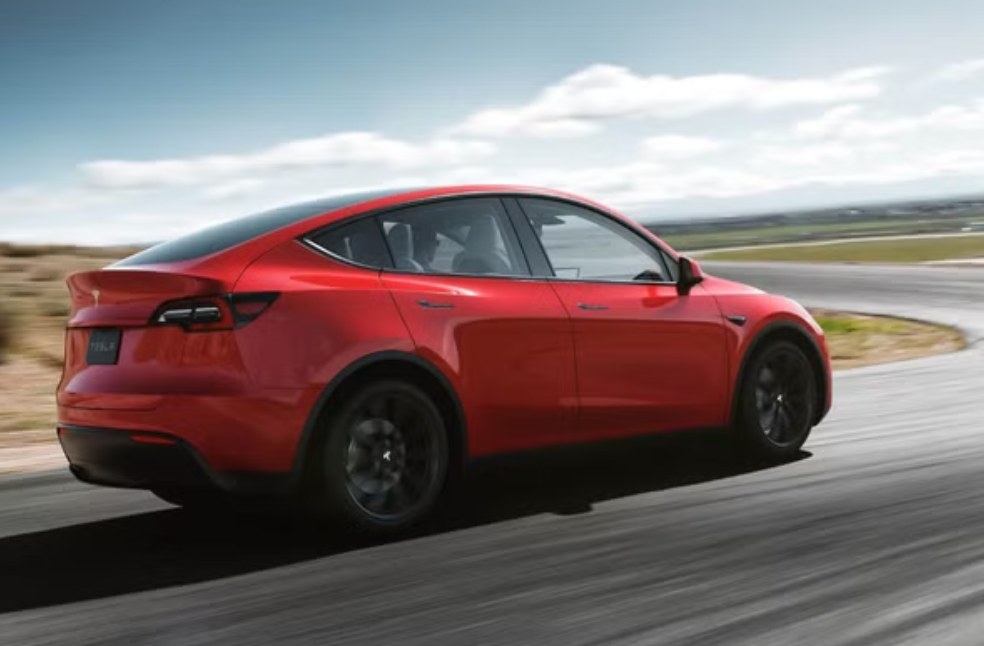
The popularity of these handles has been driven by aerodynamic efficiency and modern styling, trends that have been widely adopted following their use by Tesla. Although the measures will only apply to vehicles sold within China, the country’s scale in global automotive manufacturing means the impact is expected to extend internationally.
Tesla door handle designs have already been under scrutiny by regulators elsewhere. In November, the National Highway Traffic Safety Administration has opened an investigation into Tesla’s electric-powered door handles after receiving nine complaints involving 2021 Model Y vehicles.
In four cases, vehicle owners have broken windows to rescue trapped occupants. European regulators have also been considering similar safety requirements, indicating that China’s decision could influence future global EV safety standards.
POPULAR | Pakistan confirms boycott of India match at T20 World Cup
