


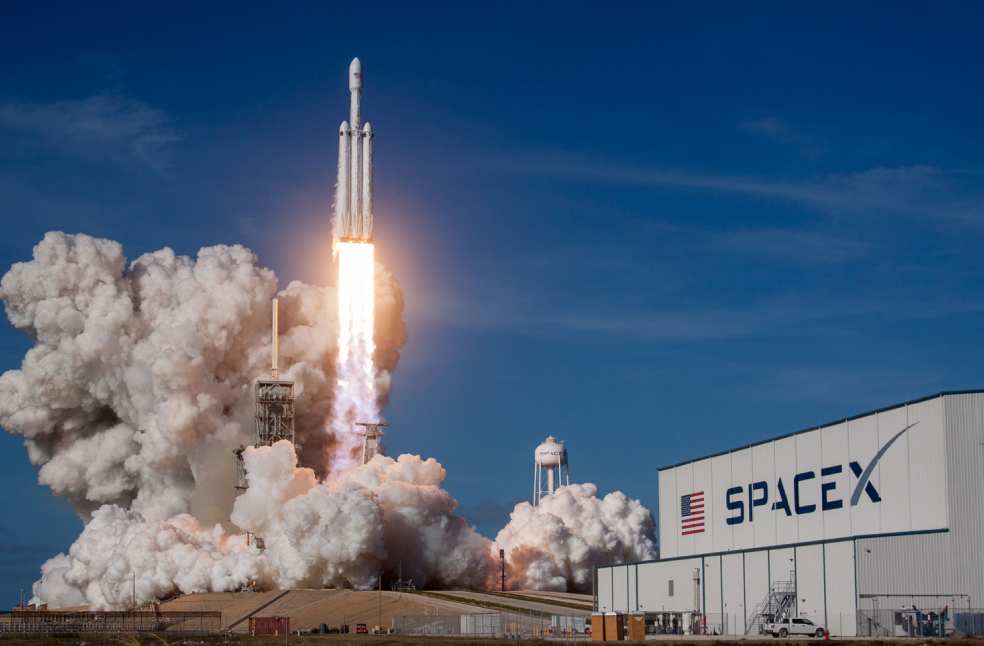
South Texas: Elon Musk’s SpaceX has applied to US regulators for permission to deploy up to one million satellites into Earth’s orbit, proposing what it calls ‘orbital data centres’ to meet the surging demand for artificial intelligence (AI) computing power.
In an application filed with the Federal Communications Commission (FCC), the company said the rapid expansion of AI is already pushing traditional, Earth-based data centres beyond their limits. SpaceX argues that processing data in space would be more cost- and energy-efficient than relying solely on massive terrestrial facilities packed with high-performance computers.
If approved, the plan would dramatically expand SpaceX’s presence in low-Earth orbit. The company currently operates nearly 10,000 Starlink satellites, a network that has faced criticism for contributing to congestion in space, claims Musk has repeatedly denied.
According to the filing, the proposed system would consist of up to one million solar-powered satellites operating at altitudes between 500 and 2,000 kilometres, similar to the existing Starlink constellation. The application does not specify a timeline for deployment.
SpaceX said the orbital network could deliver the computing capacity needed to serve billions of users globally and described the project as a step towards becoming a ‘Kardashev Type II civilisation’ — a theoretical stage in which a society can harness the full energy output of its star.
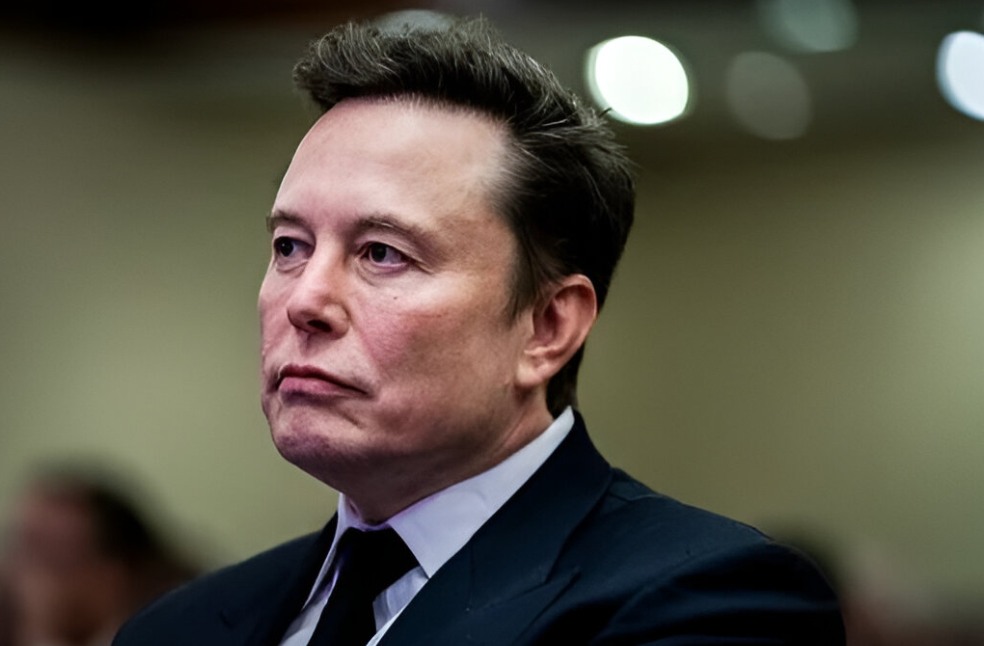
Musk addressed concerns about congestion on his social media platform X, writing that the satellites would be so far apart that it will be hard to see from one to another, adding that space is beyond comprehension in scale.
The company claims orbital data centres would be a greener alternative to conventional facilities, which consume vast amounts of electricity and water for cooling. However, experts have warned that launching and maintaining computing hardware in orbit remains expensive and technically complex, particularly when it comes to power management, cooling, and protection from radiation and debris.
Others have cautioned that the increasing number of objects in low-Earth orbit raises the risk of collisions, which could damage satellites or generate debris that might fall back to Earth. Astronomers have also voiced concerns. In 2024, researchers complained that radio emissions from Starlink satellites were interfering with telescope observations, describing the signals as blinding and disruptive to scientific work.
Despite the criticism, Musk has consistently rejected claims that SpaceX satellites are crowding orbital space or limiting access for other operators. The FCC has yet to indicate when it will rule on the application.
POPULAR | WHO monitors Nipah situation in India; Assures low spread risk
