



London: The UK government has abandoned plans to make digital ID cards mandatory for workers, just months after Prime Minister Sir Keir Starmer publicly championed the proposal.
Digital IDs will no longer be a compulsory requirement for proving the right to work by the end of the current parliament, which is due to conclude in 2029. Last year, the government announced that digital IDs would be made compulsory as part of efforts to combat illegal working.
However, according to reports, while right-to-work checks will continue to be mandatory, workers will be allowed to use alternative forms of documentation, such as passports or electronic visas, rather than relying solely on a digital ID.
Keir Starmer has abandoned plans for the Digital ID to be compulsory.
This is a victory for individual liberty against a ghastly, authoritarian government.
Reform UK would scrap it altogether.
— Nigel Farage MP (@Nigel_Farage) January 13, 2026
Despite the apparent reversal, a government spokesperson said that the government remains committed to mandatory digital right-to-work checks. The spokesperson criticised the existing system, describing it as a ‘hodgepodge’ of paper-based processes that leave no clear record of checks being carried out, making the system vulnerable to fraud and abuse.
They added that the government has consistently said full details of any digital ID scheme would be set out after a comprehensive public consultation, which is expected to launch shortly.
According to the spokesperson, digital ID technology has the potential to make everyday life easier by enabling more personalised, joined-up and effective public services, while remaining inclusive.
The digital ID proposal would have required anyone starting a new job or renting a home to show a digital ID on their phone, which would then be checked against a central database of people entitled to live and work in the UK.
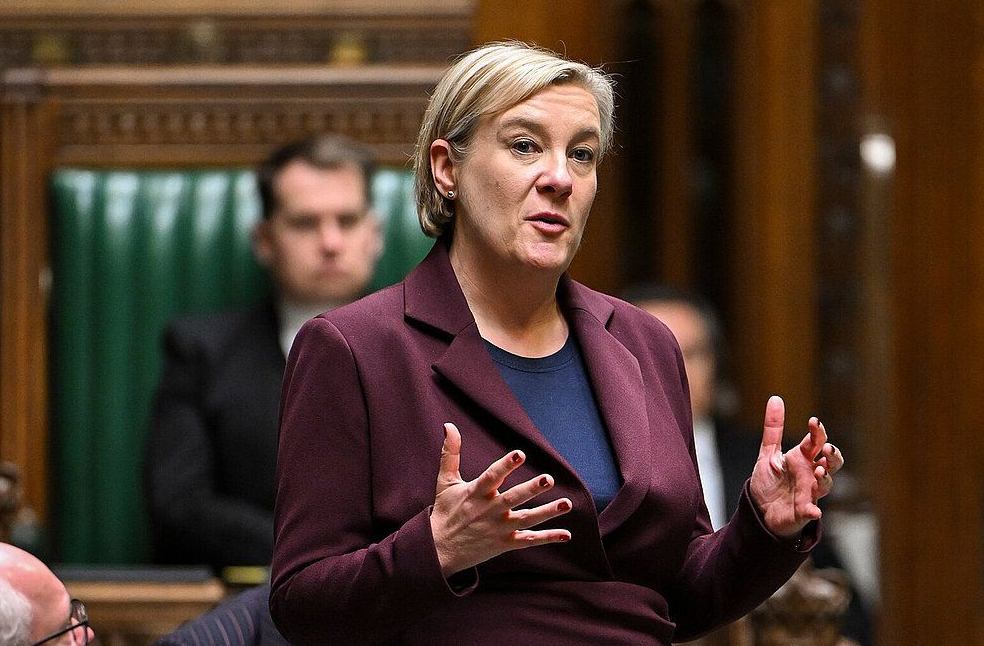
The decision represents a sharp contrast with Sir Keir’s comments just four months ago, when the PM stated that, “You will not be able to work in the UK if you don’t have a digital ID, it’s as simple as that.” At the time, he argued the scheme would make it harder to work illegally in the UK and would help strengthen border security.
Opposition parties have criticised the change in direction. The Conservatives accused Sir Keir of ‘spinelessness,’ while the Liberal Democrats said the proposal was ‘doomed to failure’ from the outset. The reversal is reported to be the 13th policy U-turn by the current government.
Tory shadow Cabinet Office minister Mike Wood noted that the policy had been presented as a tough measure to tackle illegal working but was now turning into “yet another costly, ill-thought-out experiment abandoned at the first sign of pressure from Labour’s backbenches.”
Liberal Democrat Cabinet Office spokesperson Lisa Smart MP echoed the criticism, saying it was clear from the beginning that the digital ID proposal would have cost taxpayers vast sums of money while delivering no tangible benefits.
ALSO READ | BTS set to return with new album and major world tour
