



Sydney: Australia’s decision to take on powerful technology companies by enforcing a social media ban for under-16s has triggered global attention, with governments, safety advocates, and parents worldwide closely monitoring the outcome.
While Australia has moved decisively, several other countries, particularly in Europe, are advancing similar measures, as others, such as the UK and the US, adopt a more cautious, observant stance.
Europe moves closer to social media ban
Across Europe, momentum is building to restrict young people’s access to social media. Denmark has announced plans to ban social media for under-15s, with Prime Minister Mette Frederiksen warning that mobile phones and platforms are ‘stealing our children’s childhood.’ The proposal could become law as early as next year.
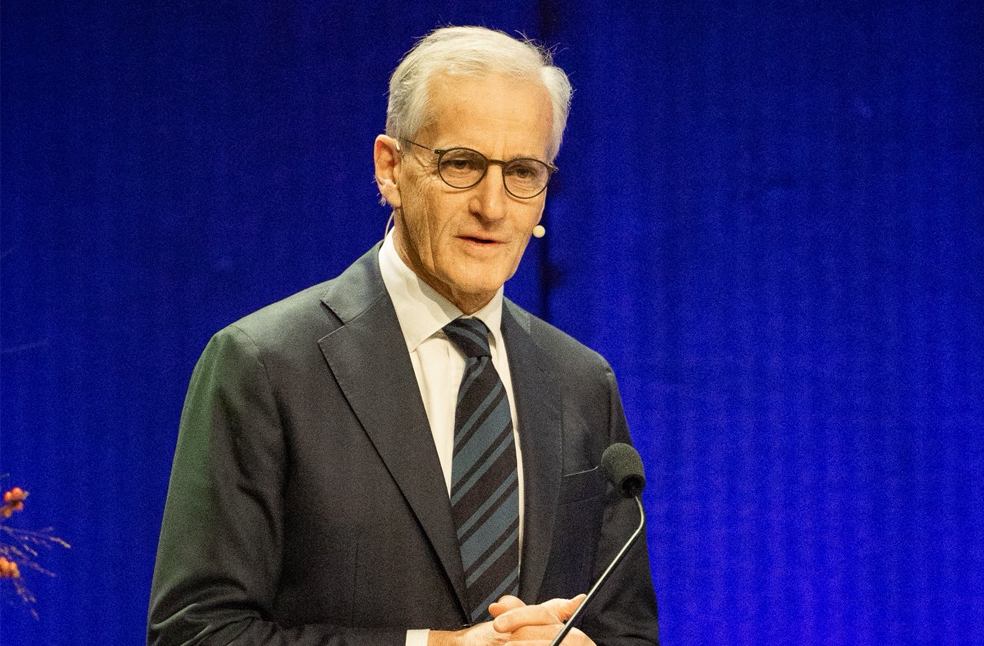
Norway is preparing to introduce a minimum social media age of 15, with Prime Minister Jonas Gahr Støre citing the need to shield children from the ‘power of the algorithms.’
Ireland, meanwhile, is rolling out a digital wallet system to verify users’ age and identity, keeping an Australia-style social media ban as a policy option under consideration, according to Media Minister Patrick O’Donovan.
Spain’s Prime Minister Pedro Sánchez has urged parliament to pass legislation raising the minimum social media age to 16, while in France, President Emmanuel Macron has threatened a ban for under-15s.
A French parliamentary commission has gone further, recommending both an age ban and an overnight ‘digital curfew’ for 15- to 18-year-olds. In the Netherlands, the government has advised parents to block children from social media until the age of 15.
At the EU level, the European Parliament has passed a non-binding resolution calling for under-16s to be banned from social media unless parents opt in. While the motion will not become law, it highlights growing concern over the ‘addictive’ nature of platforms.
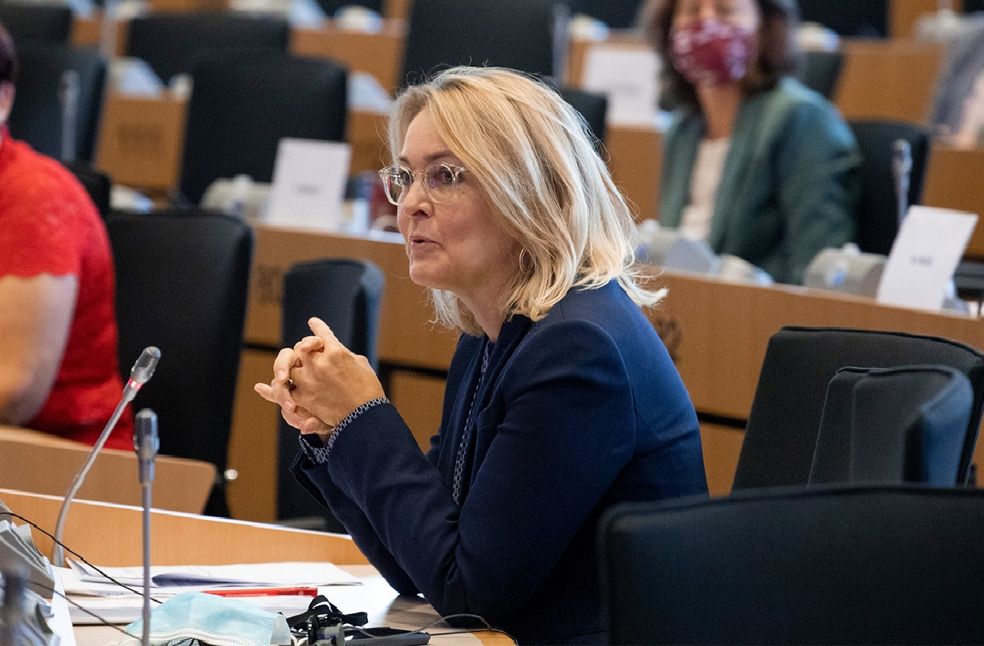
The EU already enforces digital safeguards through the Digital Services Act, but pressure is mounting for stricter oversight. Danish MEP Christel Schaldemose, who spearheaded the resolution, has vowed to continue pushing for tougher, continent-wide rules, arguing that a strong age limit is an essential first step.
European Commission President Ursula von der Leyen has also pledged to establish an expert panel to advise on protecting children online, saying parents are overwhelmed by the “tsunami of big tech flooding their family homes.”
UK watches closely
In the UK, the Labour government has not ruled out a social media ban, stating that ‘nothing is off the table,’ though any action must be supported by robust evidence. A private member’s bill proposing restrictions on under-16s gained traction last year but was diluted, with the government instead committing to further research.
Some campaigners remain cautious. The Molly Rose Foundation has warned that an outright ban could create a ‘cliff edge’ of harm when teenagers suddenly gain unrestricted access at 16.
Campaigner and crossbench peer Beeban Kidron said that a ban is not a ‘magic bullet’ but could pressure tech companies to design safer, age-appropriate platforms. The UK government is also assessing whether new protections under the Online Safety Act will adequately improve child safety.
United States: State-level action
In the US, efforts to curb youth social media use are largely unfolding at the state level. Utah now requires parental consent for under-18s to use social media and restricts nighttime access. Florida has enacted a ban on under-14s joining social media, though the law faces legal challenges over free speech concerns.
Virginia has limited under-16s to one hour of social media use per day without parental permission, while Georgia, Tennessee, and Louisiana have passed laws requiring parental consent for under-16s to open accounts.
National legislation remains uncertain amid political gridlock, though figures such as former White House chief of staff Rahm Emanuel have urged the US to follow Australia’s lead.
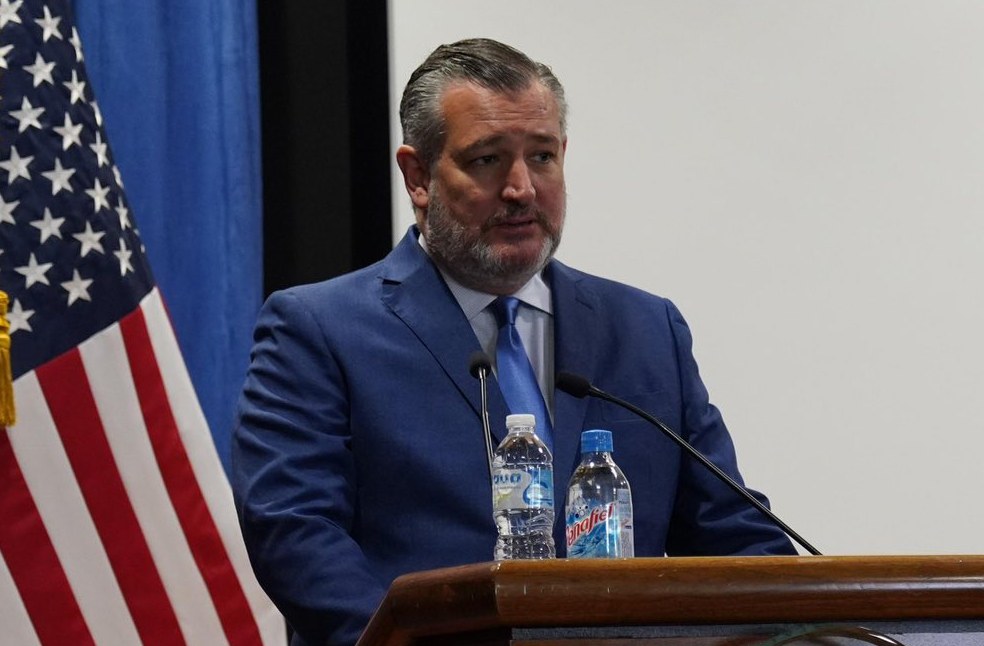
A bipartisan bill introduced by Senator Ted Cruz proposes banning under-13s from social media and restricting algorithmically targeted content for under-17s, but it has yet to pass.
Beyond the west
Elsewhere, Malaysia plans to introduce a social media ban for under-16s from next year, and Brazil has raised Instagram’s minimum age to 16. At the United Nations, however, caution prevails.
UNICEF has warned that blanket social media bans could backfire, noting that online platforms can be vital lifelines for isolated or marginalised children and that regulation should not replace investment by tech companies in safety measures.
Despite differing approaches, Australia’s move has clearly shifted the global debate. As governments increasingly signal impatience with tech companies, the push for stricter controls and potential social media bans on young users appears to be gaining irreversible momentum.
MOST READ | Snoop Dogg suits up as Team USA’s new ‘Coach Snoop’
