


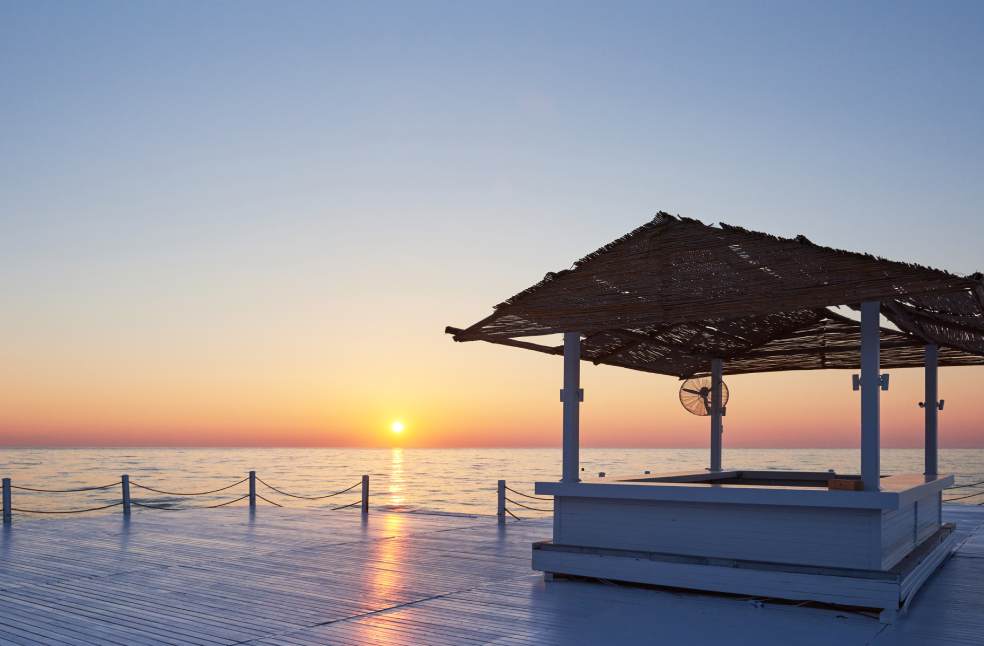
Pyongyang: North Korea has announced that its newly opened seaside resort, the Wonsan Kalma Coastal Tourist Zone, will not be receiving foreign tourists, despite earlier promotion of the destination to international travellers.
Opened on July 1, the resort was hailed as a flagship project of North Korean leader Kim Jong Un’s strategy to revive tourism. Stretching across 4km of beachfront in the city of Wonsan, the resort features hotels, restaurants, shopping malls, and a water park, with the capacity to host up to 20,000 people, according to state media.
Although initially marketed to both domestic and foreign visitors, a recent notice on North Korea’s official tourism website now states that foreigners are temporarily barred from visiting the site. The sudden restriction comes just days after a group of Russian tourists reportedly became the first international guests at the resort.
Their visit coincided with Russian Foreign Minister Sergei Lavrov’s meeting with Kim Jong Un in Wonsan, where Lavrov praised the coastal development as a good tourist attraction. Russian tour operators had announced plans to organise more trips to the site, while Pyongyang and Moscow prepare to launch direct flights by the end of July.
The seaside city of Wonsan holds personal significance for Kim, who spent part of his youth there in holiday villas once reserved for the country’s elite. It is also home to major missile facilities and a maritime industrial zone.
While the resort’s launch has been framed as a milestone in rebuilding North Korea’s tourism industry, badly hit by years of pandemic-related closures—it has also drawn criticism from human rights groups. Activists allege that workers involved in the construction since 2018 have faced long hours, harsh conditions, and inadequate pay.
Russian ambassadors were present for the completion ceremony on June 24, attended by Kim and members of his family.
Last year, Pyongyang began welcoming Russian tourists after a prolonged suspension during the pandemic. In February 2025, the country briefly opened to visitors from several Western nations, including Australia, France, Germany, and the UK, before abruptly halting entry again weeks later without explanation.
TOP PICKS | Ocean acidification: Marine ecosystem face a growing threat
