


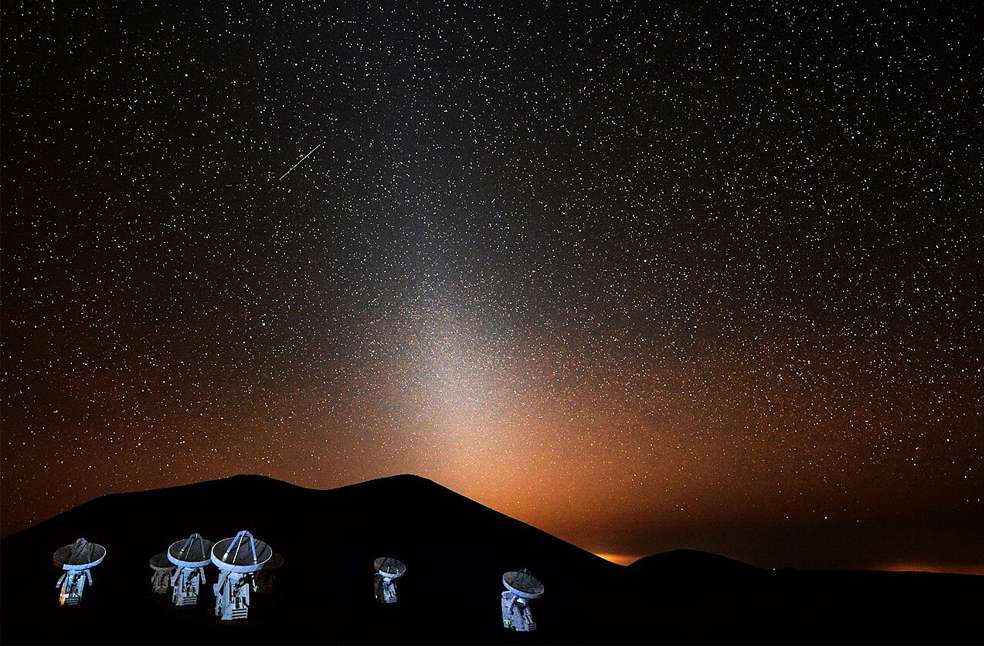
London: Skywatchers can seek out one of the sky’s more subtle phenomena: the zodiacal light. This faint, triangular glow is caused by sunlight scattering off interplanetary dust that lies in the plane of our solar system, known as the ecliptic. The dust originates from comets and collisions between asteroids.
From an Earth-based perspective, the zodiacal light rises from the horizon as a soft wedge of light. Around the equinox, which occurred last week, the plane of the solar system tilts steeply into the sky, making the glow more visible above the western horizon in the northern hemisphere.
To view it, observers should choose the darkest possible location with a clear view of the eastern horizon and start about an hour before dawn twilight begins, which in the UK is around 4 am.
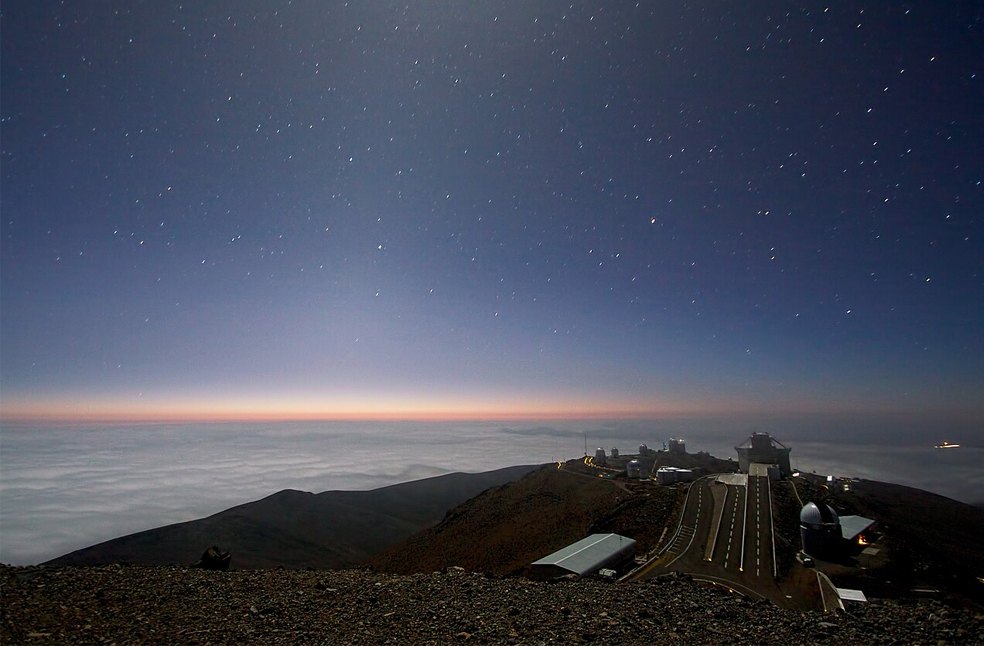
Look toward the constellations Leo and Cancer, where the soft triangular glow will appear. While it resembles the dawn, it can be distinguished by its wedge-like shape.
In the southern hemisphere, the viewing conditions are reversed. The zodiacal light can be seen about an hour after sunset, extending upward from the western horizon. There, the soft wedge of light stretches through the constellations Virgo and Libra, providing a similarly subtle celestial display.
This natural phenomenon offers a rare opportunity to witness sunlight interacting with the dust of our solar system, producing a quiet but spectacular glow visible to keen early-morning or post-sunset observers.
MOST READ | Vietnam prepares for Typhoon Bualoi with massive evacuations
