


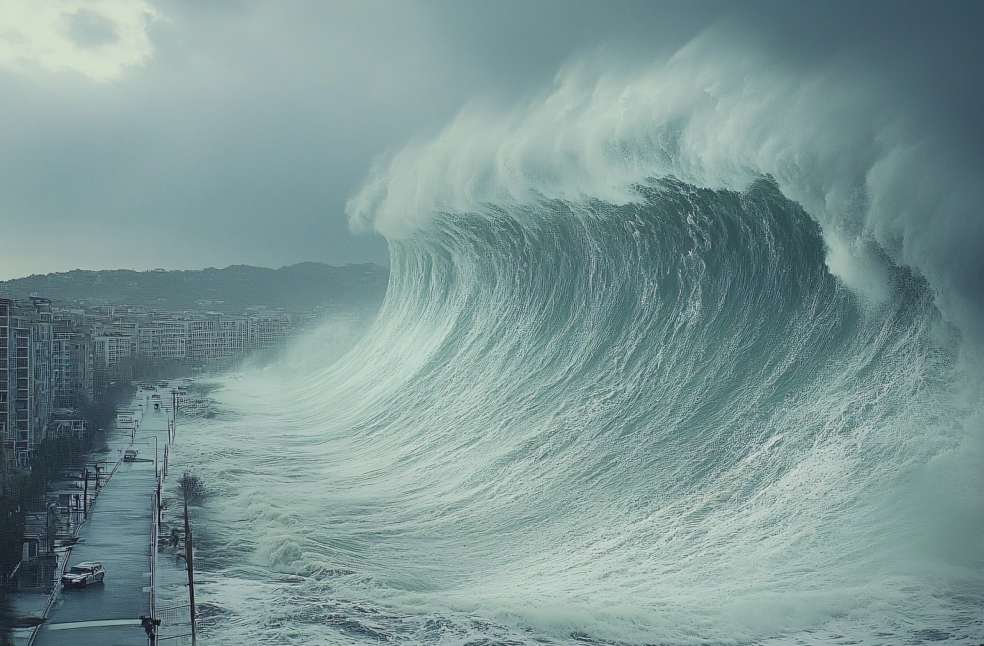
World Tsunami Awareness Day 2025 strengthens the acute need to build disaster-resilient communities through the Tsunami Ready Programme.
This year’s observance is centred around the theme, ‘Be Tsunami Ready: Invest in Tsunami Preparedness.’ The campaign underscores a shared commitment among governments, scientists, local authorities, and citizens to protect coastal communities and make safer shores a reality.
Tsunamis are rare, but among the most destructive disasters.
On Wednesday’s #TsunamiDay, @UNDRR urges at risk countries to invest in early warning systems, evacuation plans and public education to save lives and protect coastal communities. https://t.co/65KOAxYuOr pic.twitter.com/GMmtVYU1W6
— United Nations (@UN) November 5, 2025
What is a Tsunami?
The word ‘tsunami’ arrives from the Japanese words ‘tsu’ (harbour) and ‘nami’ (wave). A tsunami is a string of powerful ocean waves generated by sudden disturbances such as:
- Underwater earthquakes
- Volcanic eruptions
- Submarine or coastal landslides
- Asteroids or meteors impacting the ocean
These disturbances cause a vertical displacement of the sea floor, resulting in massive waves that can span at jet-like speeds across oceans. Tsunami waves can hit coastlines repeatedly for hours, and often, the first wave is not the largest.
Causes of Tsunamis
1. Earthquakes – Most tsunamis are caused by undersea tremors in subduction zones. For an earthquake to trigger a tsunami, it must:
- Occur under or near the ocean
- Have a magnitude of 6.5 or above
- Cause vertical displacement of the sea floor
- Be shallow — less than 70 km deep
2. Landslides – Coastal or underwater landslides can rapidly replace water, causing localised yet destructive tsunamis.
3. Volcanic Eruptions – Explosive volcanic activity can displace massive volumes of seawater. A historic example is the 1883 Krakatoa eruption in Indonesia, which triggered waves up to 135 feet high and killed over 36,000 people.
4. Extraterrestrial Collisions – Although extremely rare, asteroid or meteor impacts in oceans could generate tremendous tsunamis.
Turning awareness into action
Launched in 2022 by the United Nations Office for Disaster Risk Reduction (UNDRR), the #GetToHighGround campaign facilitates communities around the globe to participate in tsunami evacuation drills, runs, and walks. These activities aim to familiarise people with evacuation routes, bolster early response systems, and improve community resilience. The initiative is inclusive, engaging people of all ages and backgrounds to boost awareness and reduce tsunami-related risks.
Early warning and early action remain the most powerful tools in saving lives. For tsunami warning systems to be effective:
- They must cover every at-risk individual.
- They should be multi-hazard in scope.
- Communities must be educated, prepared, and empowered to respond swiftly.
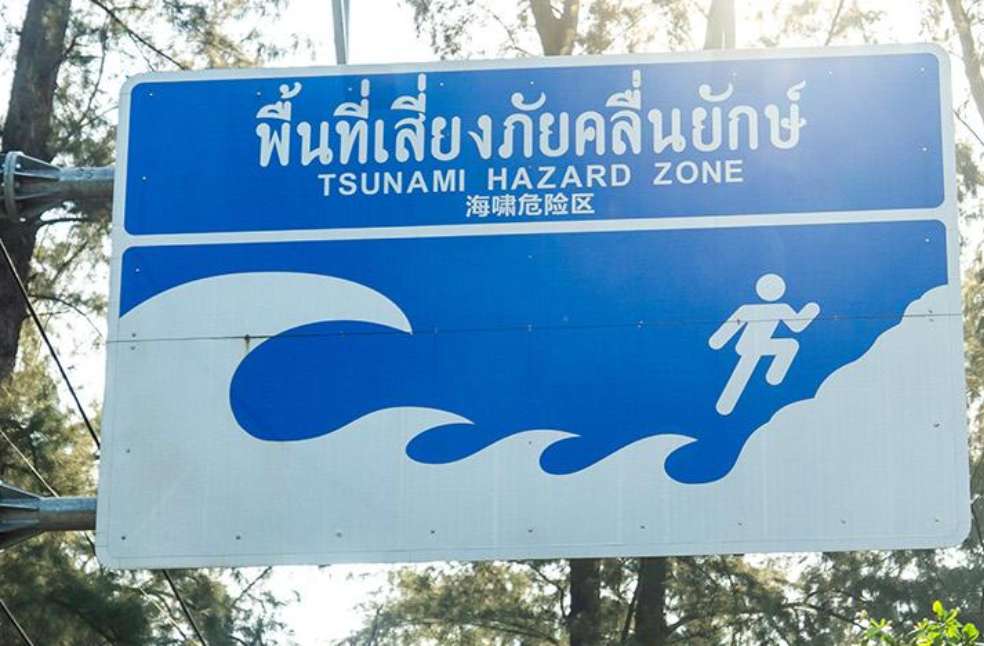
From tragedy to global preparedness
On December 5, 2015, the UN General Assembly officially designated November 5 as World Tsunami Awareness Day. This initiative was inspired by Japan’s long-standing experience with tsunamis and its expertise in early warning systems, disaster planning, and reconstruction efforts. The UNDRR leads the observance of this day in coordination with the global UN system.
Over the last century, tsunamis have claimed over 260,000 lives across 58 events, making it the deadliest natural hazard on average. The 2004 Indian Ocean tsunami alone caused unprecedented loss and prompted global cooperation. In response, the international community, during the 2005 Kobe Conference in Japan, adopted the Hyogo Framework for Action and established the Indian Ocean Tsunami Warning and Mitigation System, strengthening global monitoring and response capabilities.
Why Tsunami preparedness matters more than ever
Rapid urbanisation and rising tourism in coastal areas are raising the number of people exposed to tsunami risks. Reducing disaster risk lies at the core of the Sendai Framework for Disaster Risk Reduction 2015–2030, which emphasises saving lives and preventing hazards from turning into disasters.
Investing in early warning systems, coastal infrastructure, public education, and community drills is no longer optional; it is essential. World Tsunami Awareness Day 2025 is a reminder, not just to remember past disasters, but to prepare for future ones.
POPULAR | World Mental Health Day 2025 spotlights psychological care in crises
