


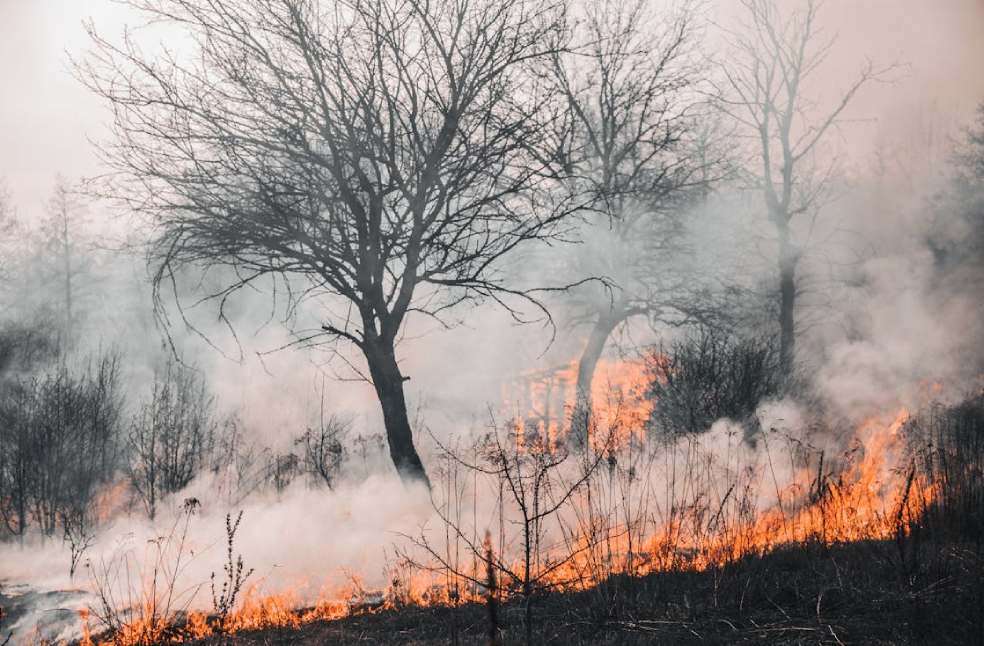
Washington: Wildfire conditions have nearly tripled globally over the past 45 years, according to new research examining hot, dry and windy weather patterns. The Wildfire study has found that more than half of the increase in dangerous fire weather days has been caused by human-induced climate change.
Researchers have focused on ‘synchronous fire weather’, when multiple regions experience the right conditions for fires at the same time. This pattern has increased the likelihood that several areas could face severe Wildfire outbreaks simultaneously, placing strain on emergency resources and reducing the ability of neighbouring regions to provide assistance.
Between 1979 and the mid-1990s, the world averaged 22 synchronous fire weather days per year across major global regions. In 2023 and 2024, that figure has risen to more than 60 days annually. Scientists have noted that these changes significantly raise the chances of fires that are difficult to control.
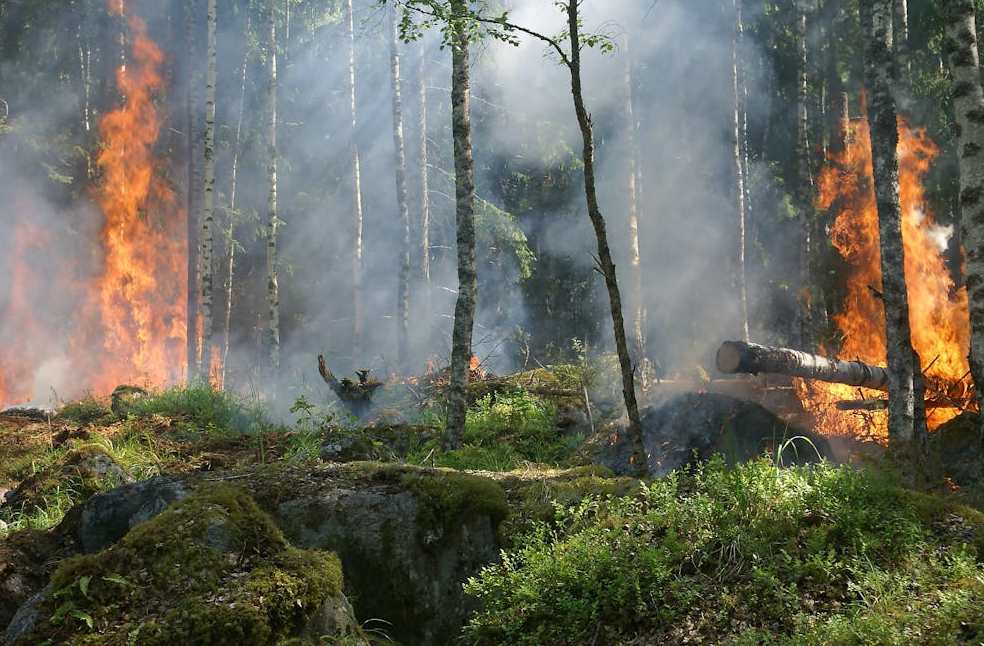
The study has examined weather factors rather than individual Wildfire events, analysing combinations of heat, dry air and strong winds. While weather has been identified as a primary driver, researchers have emphasised that other elements such as available fuel, oxygen and ignition sources like lightning or human activity also play key roles.
More than 60 percent of the global rise in synchronous fire weather days has been attributed to greenhouse gas emissions from coal, oil and natural gas use. Scientists have reached this conclusion by comparing real-world climate data from the past 45 years with computer simulations representing a world without additional greenhouse gas emissions.
Regional differences have been stark. The continental United States has seen synchronous fire weather days rise from an average of 7.7 per year between 1979 and 1988 to 38 per year over the past decade. Southern South America has experienced an even sharper increase, from 5.5 days annually to 70.6 days in the last decade, including 118 days in 2023 alone. Of 14 global regions studied, only south-east Asia has recorded a decline, likely due to rising humidity levels.
POPULAR | Sara Duterte announces run for Philippines president 2028
