


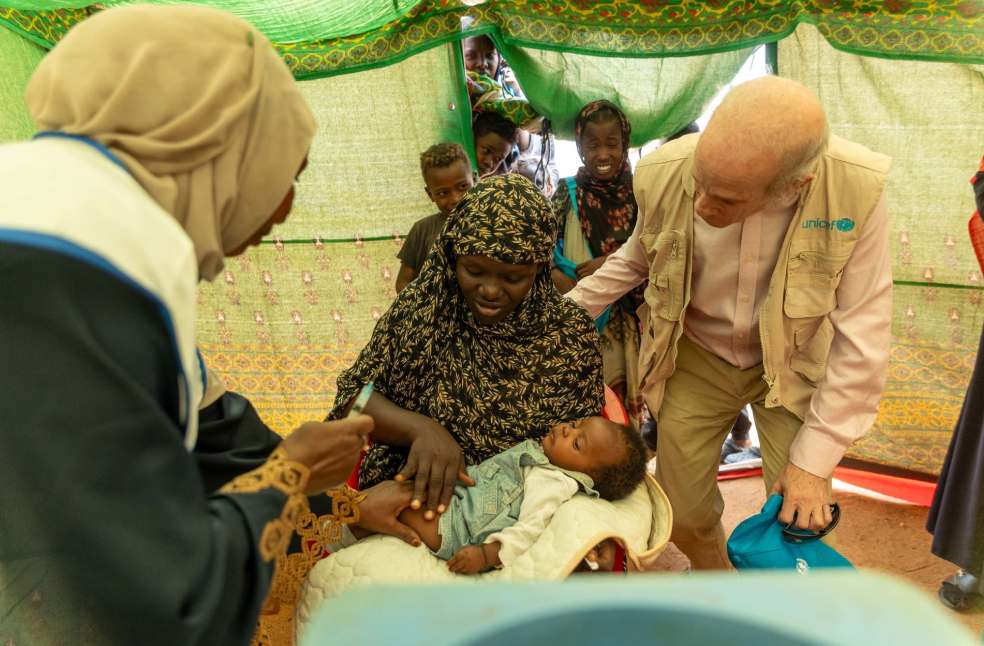
Khartoum: The Sudan vaccination crisis has emerged as one of the world’s most alarming health threats, with the World Health Organization confirming the country now has the lowest vaccination coverage globally.
Before the ongoing civil conflict, Sudan Vaccination coverage for children was over 90 percent, but it has now dropped sharply to 48 percent.
This steep decline is not due to misinformation or hesitancy but is driven entirely by the war, according to UNICEF. Health workers have not received salaries for months, while essential infrastructure such as clean water and electricity for clinics has been destroyed or looted.
“Vaccines are crucial for protecting children from diseases and reducing mortality rates in those under five. Increasing vaccination rates will lead to lower death rates among children,” says Intesar, a vaccinator, at the Al Thorwa health centre in Kassala.#VaccinesWork 💙 pic.twitter.com/yoQqTOrPnz
— UNICEF Sudan – اليونيسف في السودان (@UNICEFSudan) July 15, 2025
As supply chains collapse, efforts to maintain Sudan’s ‘cold chain’ for vaccines are constantly disrupted, leaving thousands of doses wasted and children unprotected.
In 2023 alone, 838,000 children in Sudan did not receive a single vaccine dose, ranking the country behind only Nigeria and India for ‘zero-dose’ children. These missing vaccinations increase risks of outbreaks of preventable diseases like measles, which can kill or leave survivors with lifelong complications.
The Sudan vaccination crisis reflects a wider global concern. WHO reports show that over 14 million infants worldwide remain unvaccinated, with conflict zones like Sudan among the hardest hit.
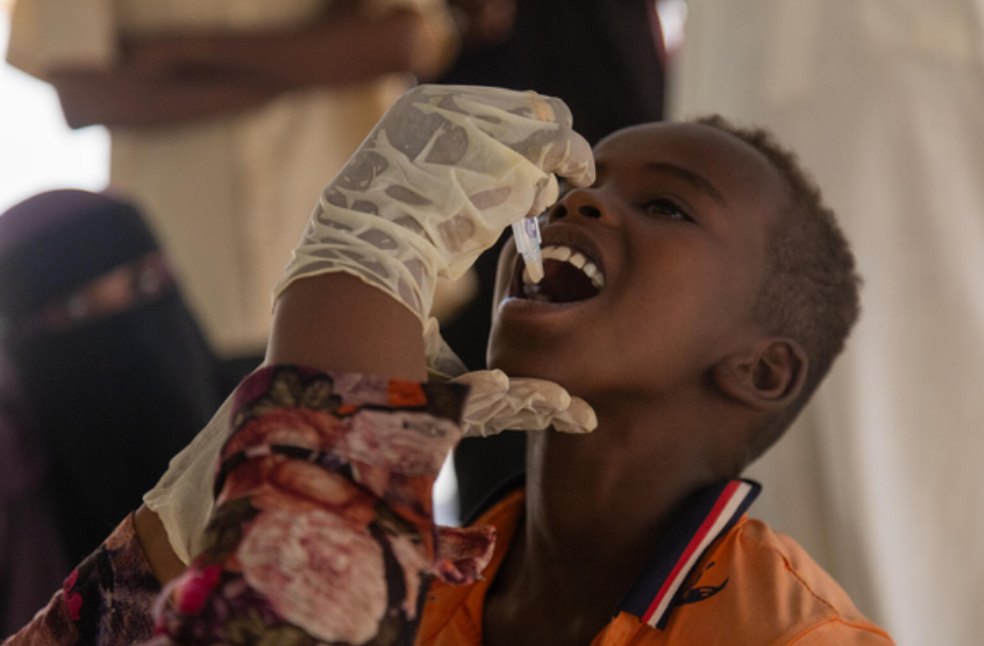
According to Dr. Tedbabe Degefie Hailegebriel, Chief of Health, UNICEF Sudan, children without the first dose of the diphtheria, tetanus, and whooping cough vaccine have almost zero contact with any functional healthcare.
Despite international humanitarian efforts, conditions remain dire. UNICEF has shipped essential equipment to rebuild supply lines, but renewed fighting continually disrupts operations. Community leaders have said that families often prioritize urgent food and malaria medicine over vaccines as they struggle to survive.
The international community has called for greater attention to the Sudan Vaccination crisis as the country’s deteriorating health situation worsens. Until the conflict ends, millions of children risk losing access to life-saving immunizations, exposing them to preventable, deadly diseases that could rob them of a healthy future.
ALSO READ | UK’s 1st babies born using DNA from 3 people to prevent fatal disease
