


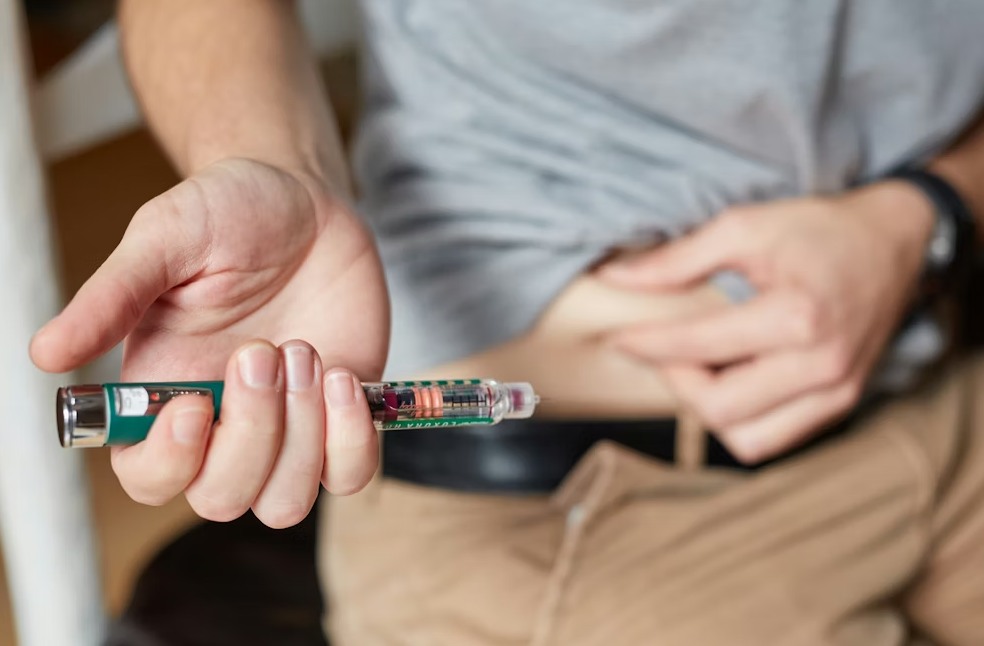
New Delhi: Weight loss jabs in India have become one of the fastest-growing segments in the pharmaceutical market, driven by a worsening national epidemic of obesity and diabetes.
Appetite-suppressing injections such as Mounjaro, Wegovy and Ozempic have entered the market within the past year and are being increasingly prescribed beyond their original medical purpose. In just eight months after regulatory approval, Mounjaro has emerged as India’s highest-selling drug, overtaking long-established antibiotics.
The injectable medication, designed to regulate blood sugar while suppressing appetite, has been embraced by patients seeking rapid weight loss alongside diabetes control. Its success has prompted manufacturers to expand trials for similar drugs, including pill-based versions expected to reach Indian consumers next year.
At present, prices remain high for most households, with monthly costs ranging from 8,800 rupees (£73) to 14,000 rupees (£115). However, patent expiries scheduled for March next year are expected to open the market to domestic manufacturers, leading to a sharp drop in prices and a flood of cheaper alternatives.

Industry analysts estimate that the weight loss drug market could reach $150 billion (£112 billion) annually by the end of the decade. Doctors acknowledge the medical value of these treatments but have expressed concern about how weight loss jabs in India are being prescribed and sold.
Specialists report that injections are increasingly available through pharmacies, gyms and beauty clinics, often without adequate medical screening or follow-up. Medical professionals warn that improper use can lead to muscle loss, pancreatitis, gallstones and vision-related complications in vulnerable patients.
India already faces one of the world’s largest burdens of metabolic disease. Government data and international studies indicate that more than 212 million adults live with diabetes, while obesity rates continue to rise across urban and rural populations. Projections suggest that by 2050, nearly one-third of Indian adults could be overweight or obese, placing enormous strain on an already stretched healthcare system.
Endocrinologists have emphasised that medication alone cannot address the underlying causes of the crisis. Poor diets, sedentary lifestyles, environmental pollution and deep-rooted cultural habits continue to drive rising disease rates. Doctors stress that injections should only be used as part of a supervised, long-term treatment plan that prioritises nutrition education and physical activity.
Patients who have begun treatment describe mixed experiences. While many report weight loss and improved blood sugar control, others struggle with severe gastrointestinal side effects and muscle weakness. Health experts caution that growing cosmetic use of these drugs could overshadow their legitimate medical purpose.
As access expands, doctors are urging the government to introduce strict prescribing guidelines and limit authorisation to specialist-led care. Without oversight, they warn, the rapid spread of weight loss jabs in India could create a new public health challenge rather than a solution to the existing one.
POPULAR | South Korea debates hair loss insurance under public health plan
