



London: Patients taking Wegovy may face nearly five times the risk of sudden vision loss compared with those using Ozempic, according to a large-scale study published in the British Journal of Ophthalmology.
Medicines known as GLP-1 receptor agonists, including semaglutide treatments such as Wegovy, Ozempic, and Rybelsus, as well as tirzepatide-based Mounjaro, are widely used to manage blood sugar levels, slow digestion, and reduce appetite.
These drugs are commonly prescribed for type 2 diabetes and obesity and have also been associated with health benefits such as reduced risks of heart attacks and fewer drug overdoses. However, the study found that patients taking Wegovy for weight loss had a fivefold higher risk of developing Non-arteritic anterior ischemic optic neuropathy (NAION) than those using Ozempic for diabetes.
NAION or Eye Stroke
The condition, often described as an ‘eye stroke,’ results from reduced blood flow to the optic nerve and can lead to sudden and usually permanent vision loss. The research also found that men had roughly three times the risk of developing the condition compared with women.

Although the complication remains rare, affecting around one in 10,000 people taking semaglutide, researchers noted there may be a “potential dose-dependent safety concern” linked to the drug. Wegovy, Ozempic, and Rybelsus are manufactured by Novo Nordisk, and all contain the same active ingredient, semaglutide, but differ in their dosage levels and formulations.
Edward Margolin, one of the study’s authors, noted that NAION is likely to be ‘a real side effect’ of semaglutide. The research analysed reports of adverse events submitted to the US Food and Drug Administration through its adverse event reporting system between December 2017 and December 2024.
NAION vs Ozempic
Canadian researchers compared cases of NAION linked to weekly injectable Ozempic, used for type 2 diabetes at doses of up to 2mg, with those associated with weekly injectable Wegovy for obesity at doses of up to 2.4mg, the highest approved amount.
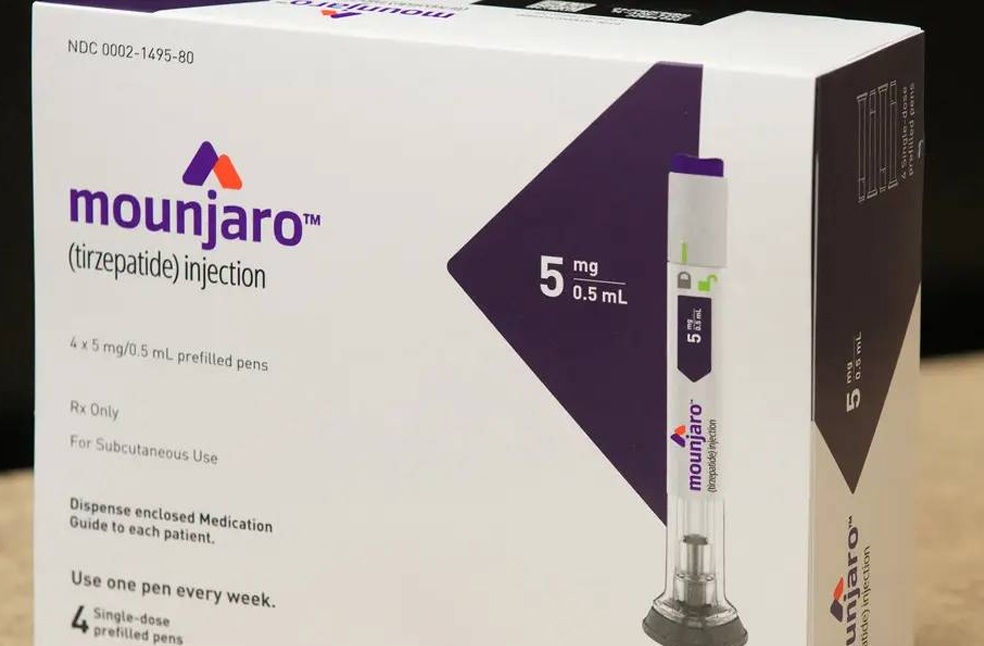
They also examined reports involving daily Rybelsus tablets for type 2 diabetes and tirzepatide injections marketed as Mounjaro. The findings showed that Wegovy had the strongest association with sudden vision loss. In contrast, researchers found no increased risk linked to Rybelsus tablets or tirzepatide.
The authors suggested that the higher doses used in Wegovy and the faster absorption of injectable formulations may explain the stronger association. Meanwhile, the slower absorption and limited uptake of Rybelsus tablets could explain why no link was detected.
The findings come after the Medicines and Healthcare products Regulatory Agency in the UK issued a drug safety update in February, warning about the possible risk of NAION in patients using semaglutide. Similar warnings had previously been issued by European medicines regulators.
Samantha Mann, a consultant Ophthalmologist and diabetic eye screening lead at the Royal College of Ophthalmologists, stated that the study relied on reported side effects, meaning it cannot prove causation or determine the true frequency of the condition.
A spokesperson for Novo Nordisk noted that EU patient leaflets for Wegovy, Ozempic, and Rybelsus have been updated to include NAION as a potential risk. The company do not suggest a reasonable possibility of a causal relationship between semaglutide and NAION and maintains that the benefit-risk profile of semaglutide remains favourable.
ALSO READ | Authors publish ‘empty’ book to protest AI Copyright use
