


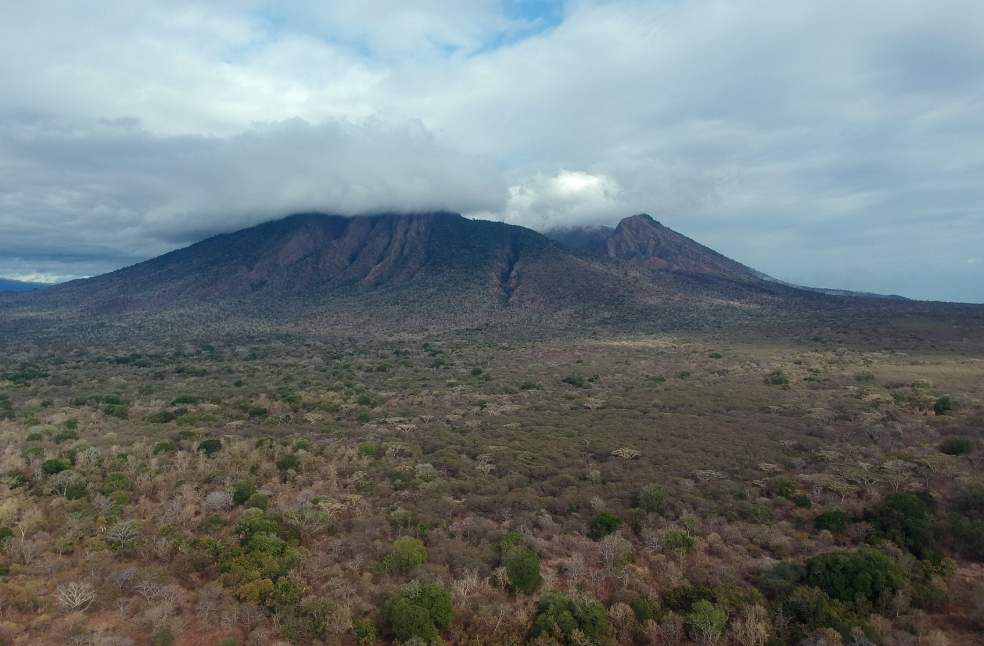
Ethiopia: Ethiopia’s north-eastern region has witnessed a rare geological event after the Hayli Gubbi volcano erupted for the first time in nearly 12,000 years, spewing massive ash plumes up to 9 miles (14km) into the atmosphere and drifting across the Red Sea toward Yemen and Oman.
The eruption continued for several hours and occurred in the Afar region about 500 miles north-east of Addis Ababa near the Eritrean border. Though no casualties have been reported, officials warn of long-term economic consequences for local pastoral communities.
Local official Mohammed Seid said the eruption has coated multiple villages in volcanic ash, threatening livestock survival. Mohammed Seid stated that, “While no human lives and livestock have been lost so far, many villages have been covered in ash and as a result their animals have little to eat.”
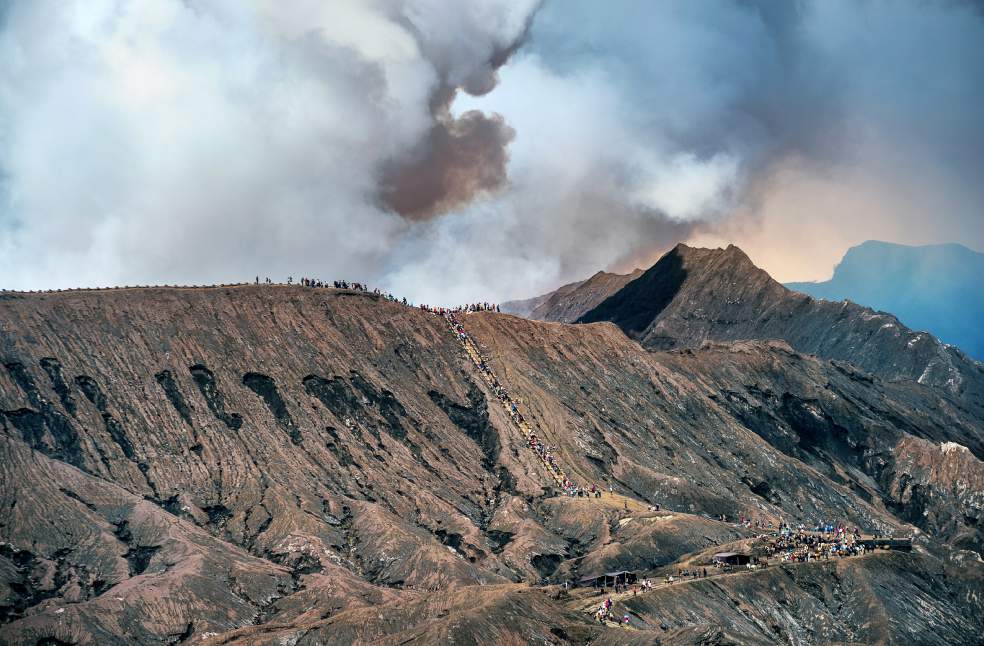
The Hayli Gubbi volcano rises roughly 500 metres and lies within the geologically active Rift Valley, where two tectonic plates meet, an area known for frequent earthquakes and volcanic activity.
Ash tracked by the Volcanic Ash Advisory Centre (VAAC) has drifted over parts of Yemen, Oman, India and northern Pakistan. Satellite imagery circulating online shows a dense column of ash rising high above the volcano, though some videos shared on social media are still being verified.
The Smithsonian Institution’s Global Volcanism Programme confirmed that Hayli Gubbi has no known history of eruptions during the Holocene period, meaning the event marks its first recorded eruption in roughly 12,000 years. Michigan Technological University volcanologist Simon Carn also verified this on Bluesky, calling the eruption historically unprecedented.
Authorities in the Afar region are monitoring the situation while assessing risks to communities, livestock and infrastructure. Volcanologists say the eruption highlights the intense geological activity of the East African Rift system and may signal further seismic disturbances in the future. Further updates are expected as satellite monitoring and on-ground assessments continue.
TRENDING | 7 arrested as Philippine flood control corruption probe widens
