


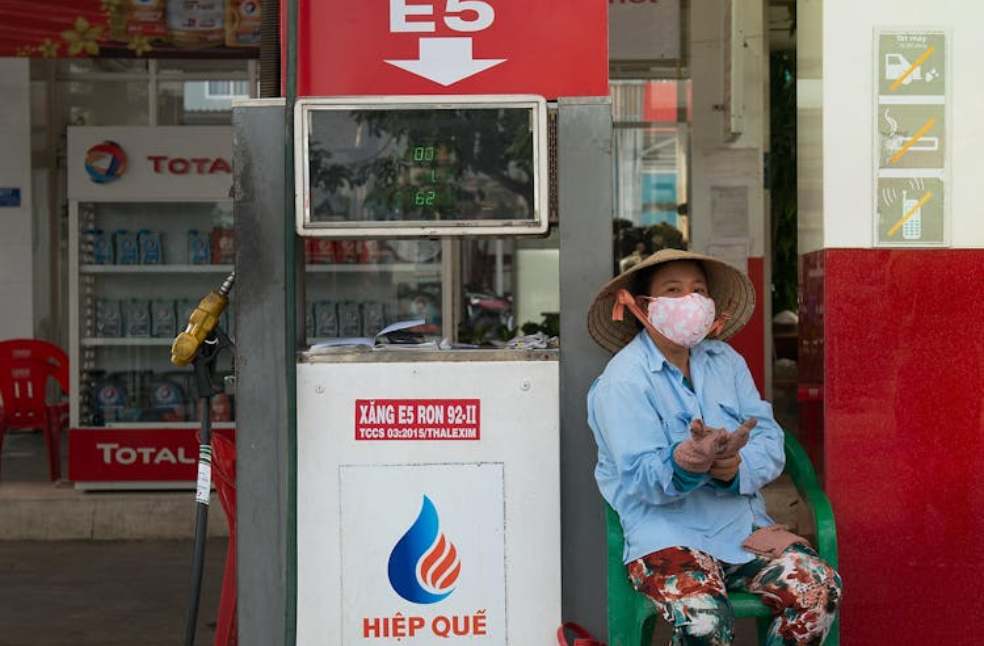
Hanoi: Vietnam has called on businesses across the country to encourage remote working arrangements as fuel shortages and price increases affect energy supplies.
The Ministry of Industry and Trade has issued the recommendation as part of broader efforts to reduce fuel consumption and manage supply disruptions linked to the Iran conflict. Authorities have stated that companies should encourage employees to work from home when possible to reduce travel and transportation demand.
The government has indicated that Vietnam has been among the countries most affected by fuel disruptions since the United States and Israel began military action against Iran. The country relies heavily on imported energy supplies from the Middle East, making domestic fuel markets vulnerable to international disruptions.
Fuel prices in Vietnam have increased sharply since the end of last month. According to data from major fuel trader Petrolimex, gasoline prices have risen by 32 percent, diesel by 56 percent and kerosene by 80 percent.
The price surge has created visible pressure on fuel distribution. Long queues of cars and motorbikes have been seen at petrol stations in the capital Hanoi as consumers seek to secure fuel supplies.
Authorities have also urged businesses and individuals not to hoard or speculate on fuel during the supply disruption. The ministry has warned that such behaviour could worsen shortages and increase price volatility.
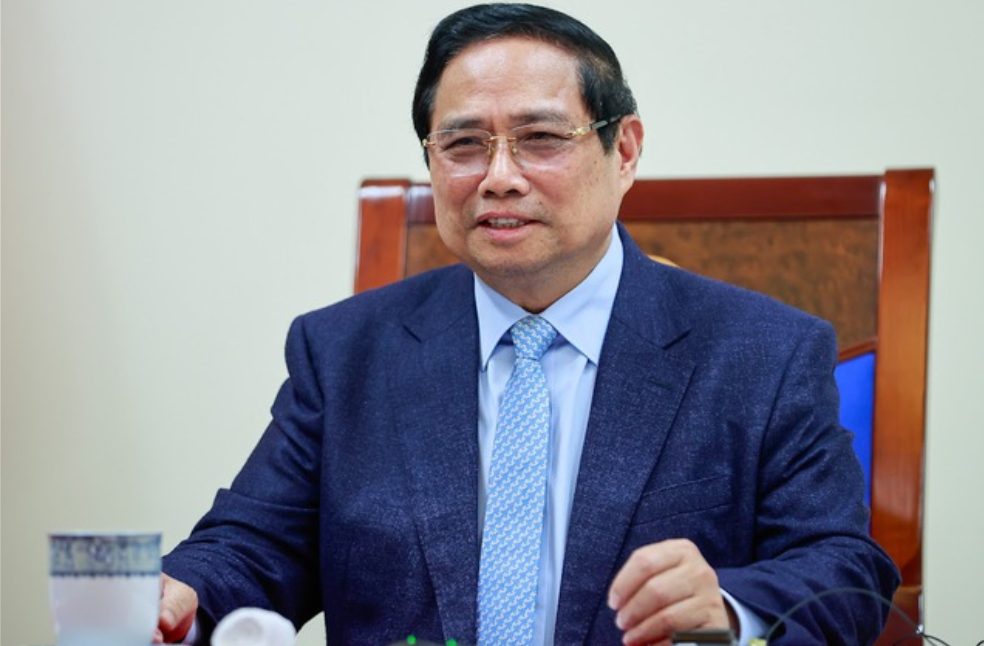
Vietnam’s government has begun diplomatic efforts to secure additional fuel supplies. Prime Minister Pham Minh Minh has held phone conversations with leaders in Kuwait, Qatar and the United Arab Emirates to explore options for increasing imports of crude oil and refined fuel.
At the same time, Vietnam has introduced temporary measures to ease fuel import costs. The government has decided to remove import tariffs on fuel products, with the policy remaining in place until the end of April.
Officials have stated that the tariff suspension is intended to help stabilise domestic fuel prices and ensure adequate supplies during the ongoing disruption. Energy analysts have noted that the situation highlights the vulnerability of fuel importing countries to geopolitical tensions affecting major oil producing regions.
Authorities continue to monitor supply conditions while encouraging businesses to reduce fuel demand through flexible work arrangements and responsible energy use.
ALSO READ | Mojtaba Khamenei chosen as Iran’s new supreme leader
