


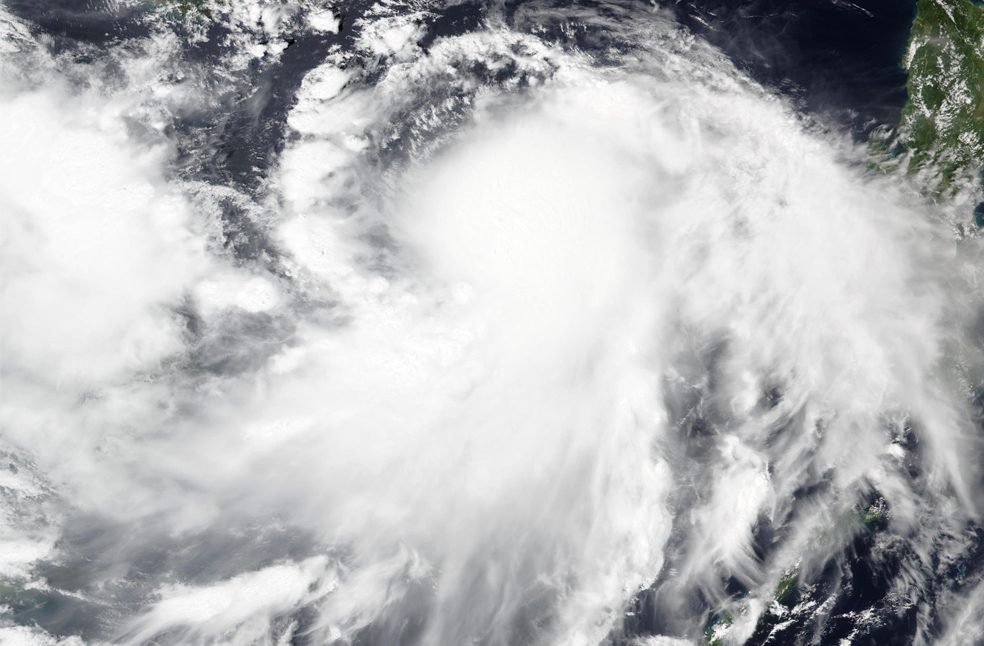
Hanoi, Vietnam: Vietnam has mobilised around 100,000 military personnel to assist in evacuating 250,000 residents as Typhoon Bualoi intensifies, prompting the government to shut down several airports.
Bualoi, the 10th typhoon to affect Vietnam this year, is currently over the sea, generating winds of 130 km/h (80 mph) and is expected to make landfall later on September 28, according to the National Meteorology Agency.
“This is a rapidly moving storm, nearly twice the average speed, with strong intensity and a broad area of impact. It is capable of triggering multiple natural disasters simultaneously, including powerful winds, heavy rainfall, flooding, flash floods, landslides, and coastal inundation,” the agency said.
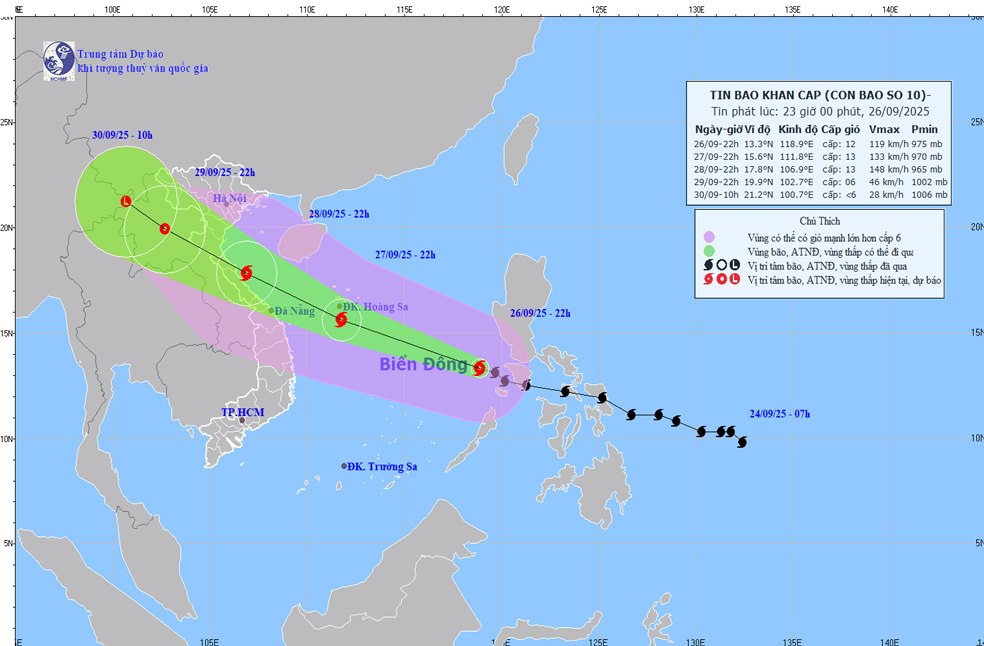
Prime Minister Pham Minh Chinh has called for the ‘highest level of readiness’ as Bualoi entered the country’s waters, according to the government daily, Viet Nam News.
In advance of the landfall, three fishermen from Ho Chi Minh City went missing after one vessel sank and another was ‘disabled’ by large waves off the coast of Quang Tri province. Eight others were rescued. The two vessels were stranded about 1.5 km (1 mile) from the mouth of the Cua Viet Channel.
In Da Nang, Vietnam’s largest city, authorities are evacuating more than 210,000 residents, while over 32,000 people in coastal areas of Hue are also being relocated to safer zones.
More than 15,000 residents in Ha Tinh, a key steel production hub, are being moved to schools and medical centres converted into temporary shelters. The city government deployed more than 200 personnel with trucks, sand, bamboo stakes, and sacks to reinforce the coastline.

Four domestic airports were closed, and all fishing boats in the storm’s path were called back to harbour. Coastal residents were ordered to secure their vessels. On September 26, Bualoi struck the Philippines, causing mudslides and flooding. Philippine media reported 10 deaths, with another 10 people missing.
Scientists have warned that storms are becoming more powerful due to global warming driven by human activity. Vietnam has already recorded over 100 deaths or missing persons from natural disasters in the first seven months of 2025, according to the Ministry of Agriculture and Rural Development.
In July, a tourist boat capsized in Ha Long Bay following a sudden thunderstorm, killing at least 37 people and leaving five missing. Typhoon Yagi, which hit northern Vietnam in September 2024, caused hundreds of deaths and $3.3 billion in economic losses.
ALSO READ | Tropical Storm Bualoi sweeps Philippines with deadly impact
