


Washington: The Trump administration has announced plans to lower import taxes on coffee, bananas and other key commodities as part of new trade agreements with four Latin American nations, Argentina, Guatemala, El Salvador and Ecuador.
The move comes as US President Donald Trump faces mounting scrutiny over economic management and growing voter concern about affordability following his party’s weak performance in off-year elections.
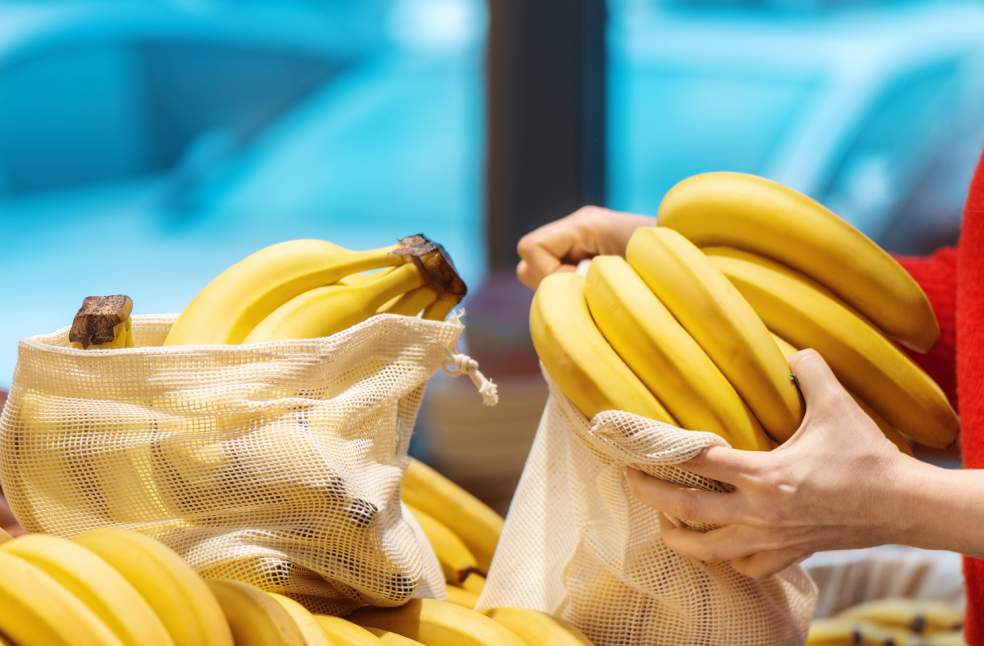
Under the initial framework agreements, reciprocal tariffs of 10 percent will remain on goods from Guatemala, Argentina and El Salvador, along with a 15 percent tax on imports from Ecuador. However, exemptions will apply to products that cannot be produced in the United States in sufficient quantities, including coffee, cocoa and bananas.
Senior administration officials said those goods are poised to escape tariffs, once the deals are finalised, potentially easing pressure on consumers if retailers pass the savings along. Coffee prices in particular have surged nearly 20 percent in the US this year, driven by severe weather and limited global supply. Treasury Secretary Scott Bessent vowed that the administration would work to bring prices down.

Guatemala and Ecuador are among the largest suppliers of bananas to the US market, while the bulk of American coffee imports come from Brazil, a country not included in the current set of agreements.
The White House also highlighted expanded cooperation with Argentina on beef trade. A joint statement said both countries have committed to improving bilateral market access for beef exports. Rising beef prices have become a political flashpoint for Trump, who recently urged the Justice Department to investigate whether major meat-packers contributed to cost increases.
The four Latin American agreements are expected to be formally signed in the next two weeks. They follow a series of recent US trade deals with the European Union, South Korea, Japan, Cambodia, Thailand and Malaysia.
The latest negotiations stem from tariffs Trump unveiled in April targeting dozens of countries as retaliation for what the administration described as ‘unfair trade practices.’ Many of those tariffs were temporarily paused with global market turbulence, with revised rates introduced in August after further talks.
Administration officials expressed cautious optimism that easing import duties on essential goods will help stabilise prices, though they acknowledged that global supply pressures, particularly extreme weather affecting coffee and cacao crops, remain a challenge.
TOP PICKS | High blood pressure in children nearly double in 2 decades
