


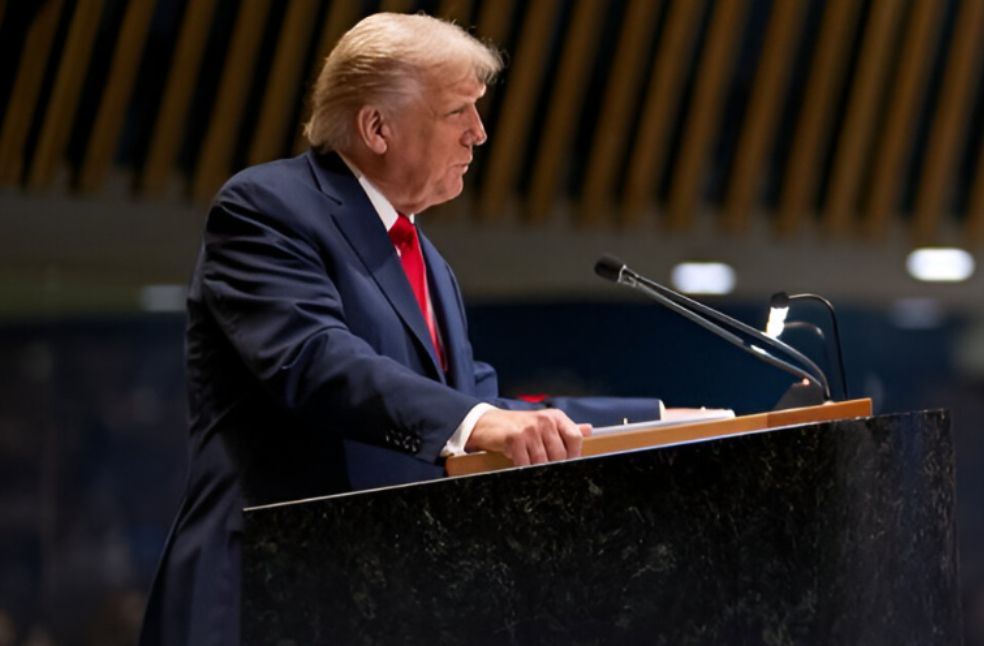
Washington: US President Donald Trump has announced a fresh wave of tariffs targeting multiple industries, including a 100 percent levy on branded or patented drug imports from October 1, unless manufacturers are building factories in the United States.
The new measures also include a 25 percent import tax on heavy-duty trucks and 50 percent duties on kitchen and bathroom cabinets, along with a 30 percent tariff on upholstered furniture. Trump said the move was necessary to counter the flooding of US markets with foreign products and to protect domestic manufacturers.
“Starting October 1st, 2025, we will be imposing a 100% Tariff on any branded or patented Pharmaceutical Product, unless a Company IS BUILDING their Pharmaceutical Manufacturing Plant in America…” – President Donald J. Trump pic.twitter.com/z5EXQhw1xK
— The White House (@WhiteHouse) September 25, 2025
Impact on pharmaceuticals
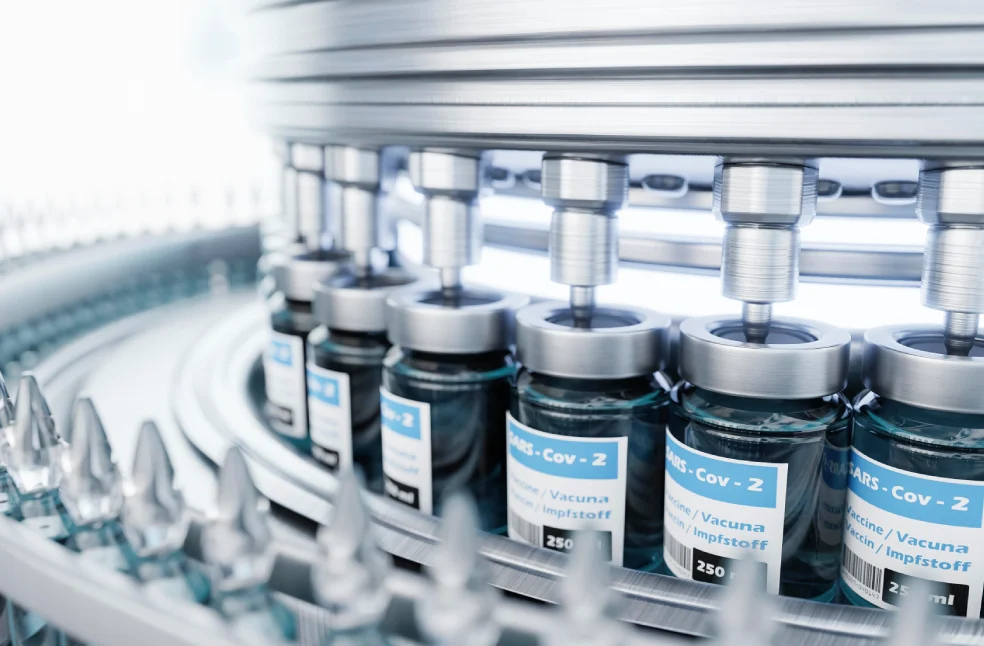
The tariffs could hit major drug producers in the UK, Ireland, Germany, Switzerland and Japan. Last year, the UK exported more than $6 billion worth of pharmaceuticals to the US, according to UN data.
A UK government spokesperson said London was actively engaging with Washington on the issue. Analysts noted that uncertainty over tariffs has already weighed heavily on pharmaceutical stocks on both sides of the Atlantic.
Neil Shearing, chief economist at Capital Economics, said the actual impact may be softer than feared, with exemptions for generics and for companies investing in US production. Many global pharma giants already have facilities in the US or plans to build them.
Boost for US truck makers
The 25 percent tariff on heavy-duty trucks aims to support domestic brands such as Peterbilt and Mack Trucks. Mexico and Canada—two of the biggest suppliers of truck parts to the US could be hit hard. The US Chamber of Commerce has warned that the move will raise industry costs, as sourcing parts domestically is impractical.
Cabinet and furniture imports face higher costs
Trump also justified the tariffs on cabinets and furniture as a response to rising import levels that have hurt local producers. Trade experts cautioned that while the measures may benefit American manufacturers, consumers will face higher prices.
Expanding tariff strategy
The announcement marks the latest expansion of Trump’s protectionist trade agenda in his second term. Sweeping tariffs on goods from more than 90 countries came into effect in August, following earlier sector-specific duties on steel, copper, aluminium, cars and auto parts.
Deborah Elms, executive director at the Hinrich Foundation, said the new industry-focused tariffs could provide Washington with a revenue cushion as broader measures face legal challenges. Deborah Elms noted that, “These levies may protect producers, but they’re terrible for consumers.”
MOST READ | Magnitude 6.1 earthquake strikes Northwest Venezuela
