


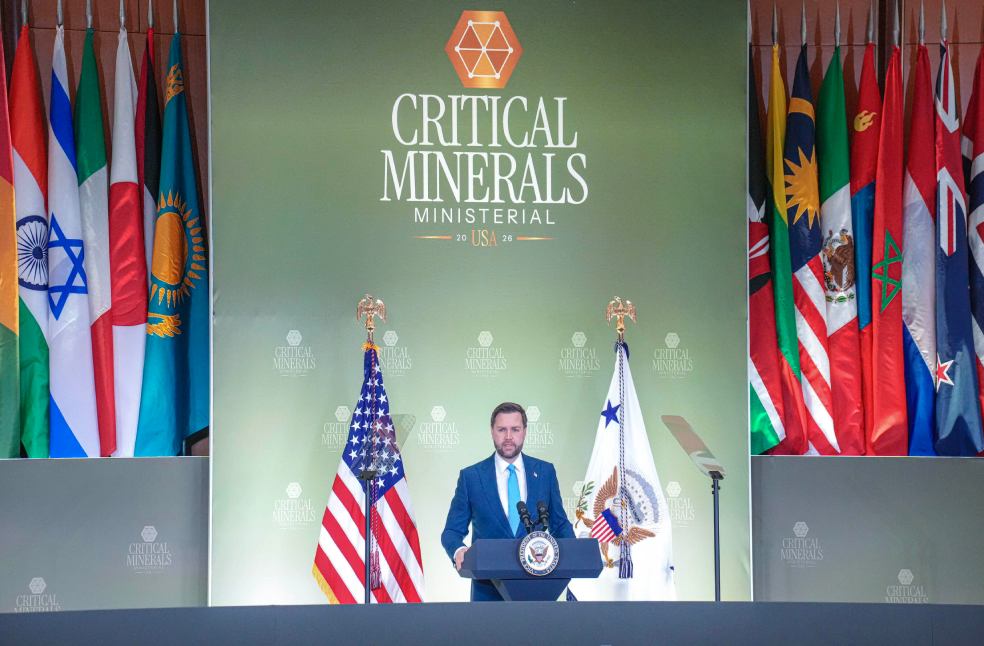
Washington: Critical minerals have become a major focus of United States trade and industrial policy as Washington has worked with allies to secure supply chains and encourage investment.
The United States has hosted the first Critical Minerals Ministerial event, bringing together representatives from the United Kingdom, European Union, Japan, India, South Korea, Australia and the Democratic Republic of Congo.
Delegates have discussed availability and access to minerals essential for manufacturing technologies such as computer chips, electric vehicle batteries and defence equipment. The mining and processing of many of these resources, including rare earth elements, has remained heavily concentrated in China, shaping global supply dynamics.
.@SecRubio on why the Iranian regime cannot provide the people of Iran the quality of life they deserve:
"… they're spending all their resources, of what is a rich country, sponsoring terrorism … proxy groups around the world, exporting as they call it, ‘their revolution.’" pic.twitter.com/FF0xbbKXZ0
— Department of State (@StateDept) February 4, 2026
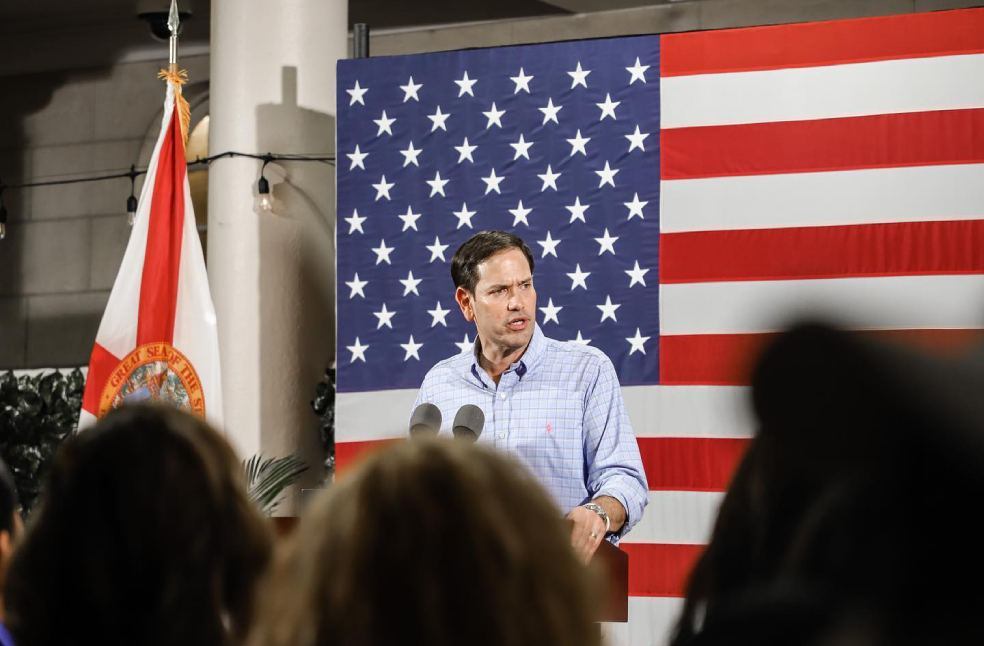
United States Vice President JD Vance and Secretary of State Marco Rubio have addressed the ministerial discussions, focusing on global supply concerns and investment challenges linked to foreign mineral supply. Vance has referred to the impact of foreign supply flooding global markets, stating that low prices can make it difficult for countries with mineral deposits to attract financing for production.
Investment has already been directed towards companies including MP Materials and Lithium Americas, both involved in producing materials needed for magnets and rechargeable batteries. United States Trade Representative Jamieson Greer has also stated that the United States, Japan and the European Commission are developing coordinated trade policies to prevent future supply disruptions.
Ahead of the meeting, China’s foreign ministry has called for countries to follow market economy principles and strengthen dialogue. The United States initiative has formed part of a broader strategy aimed at countering the leverage created by China’s dominance in critical mineral production and processing.
Earlier in the week, the United States announced the creation of a strategic reserve known as Project Vault, valued at nearly $12bn (£9.5bn). The reserve has been designed to strengthen domestic stockpiles of key materials. Industry representatives have welcomed the effort, noting the importance of securing supply chains for manufacturing and defence.
China has tightened export controls in recent months, requiring companies to obtain approval before shipping certain minerals abroad. Although some restrictions have later been eased, analysts have said that control over exports has remained a key bargaining tool in trade discussions.
The Critical minerals initiative has highlighted growing competition over resources essential to modern industry, with further cooperation and policy coordination expected among participating countries in the coming months.
TRENDING | India US trade deal eases tariff pressure but questions remain
