


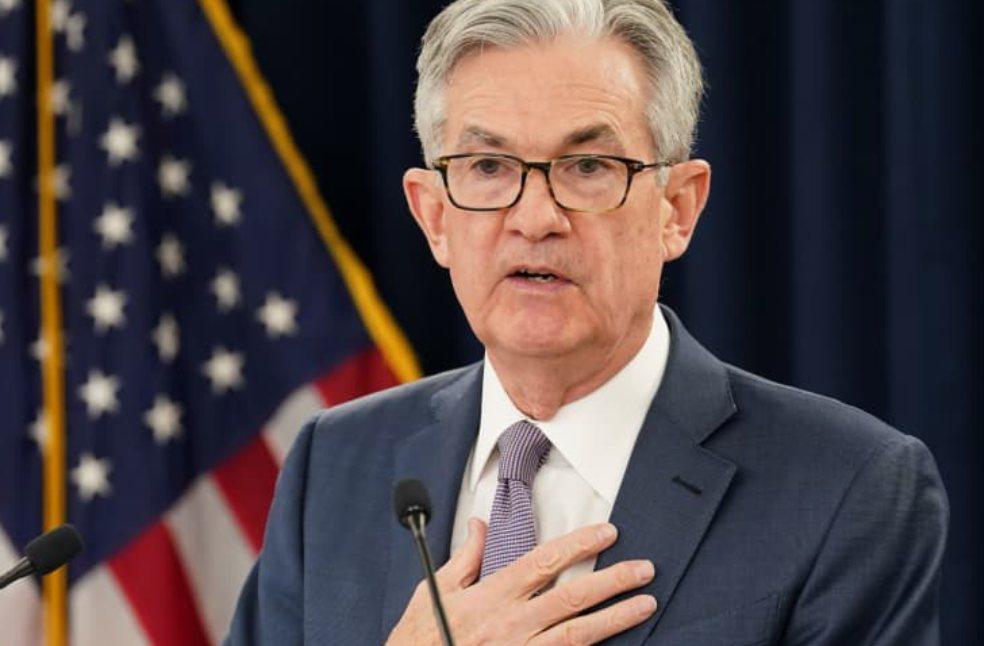
Washington: US Justice Department has launched a criminal investigation into Federal Reserve Chair Jerome Powell, according to an announcement made by Powell in a video message.
Powell said federal prosecutors had served the Federal Reserve with subpoenas and had raised the possibility of a criminal indictment linked to statements made before a Senate committee about renovations to Federal Reserve buildings.
Powell described the situation as unprecedented and said the probe appeared to stem from ongoing tensions with President Donald Trump. Powell stated that disagreements over interest rate policy had intensified after repeated refusals to lower rates despite public pressure from the White House. Powell suggested the investigation must be viewed in the context of that wider dispute.
The Federal Reserve chair emphasised that the matter goes beyond a personal issue and touches the future independence of the central bank. Powell said that the central question is whether monetary policy decisions will continue to be based on economic evidence and data, or whether political influence and intimidation will begin to shape interest rate policy.
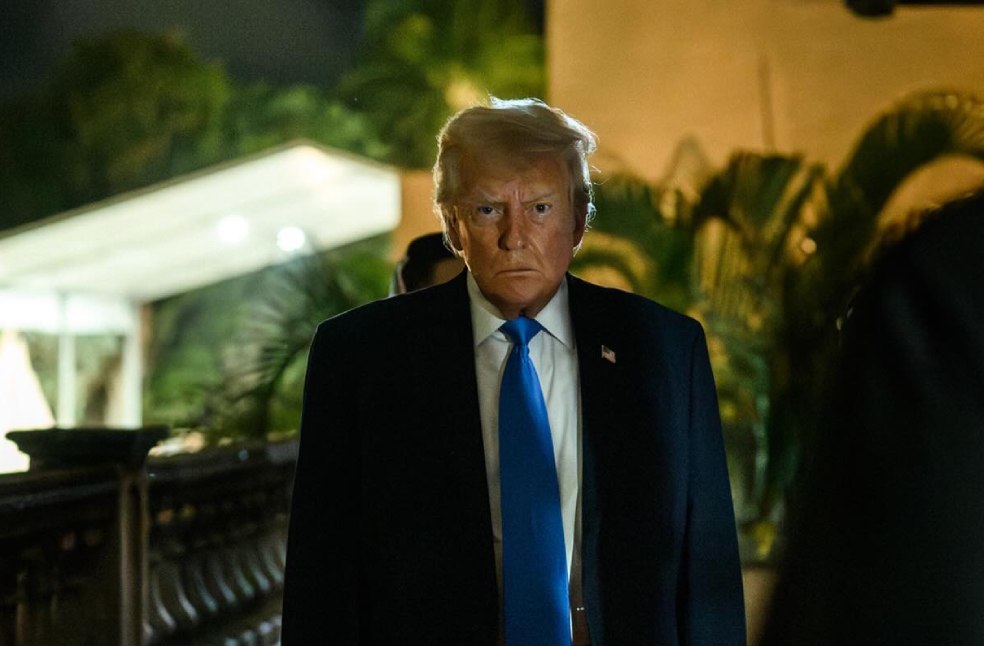
President Donald Trump has said that no prior knowledge existed regarding any investigation by the US Justice Department. Trump criticised Powell’s performance as head of the Federal Reserve and also questioned Powell’s management of construction projects linked to the Federal Reserve’s facilities.
The investigation has not yet been publicly confirmed by federal prosecutors. If verified, the move would mark a significant escalation in the long-running conflict between the White House and the Federal Reserve. Trump nominated Powell as Federal Reserve chair in 2017, but relations have deteriorated sharply over interest rate decisions and monetary policy direction.
The Federal Reserve is traditionally structured to operate independently from political influence. Any criminal investigation into its leadership has the potential to unsettle financial markets and raise international concern about institutional stability in the United States.
The broader implications of the probe extend beyond the renovation issue itself. Analysts believe the case could influence how future Federal Reserve chairs interact with elected officials and defend institutional autonomy.
POPULAR | US military aid role as Netanyahu plans Israel defence independence
