


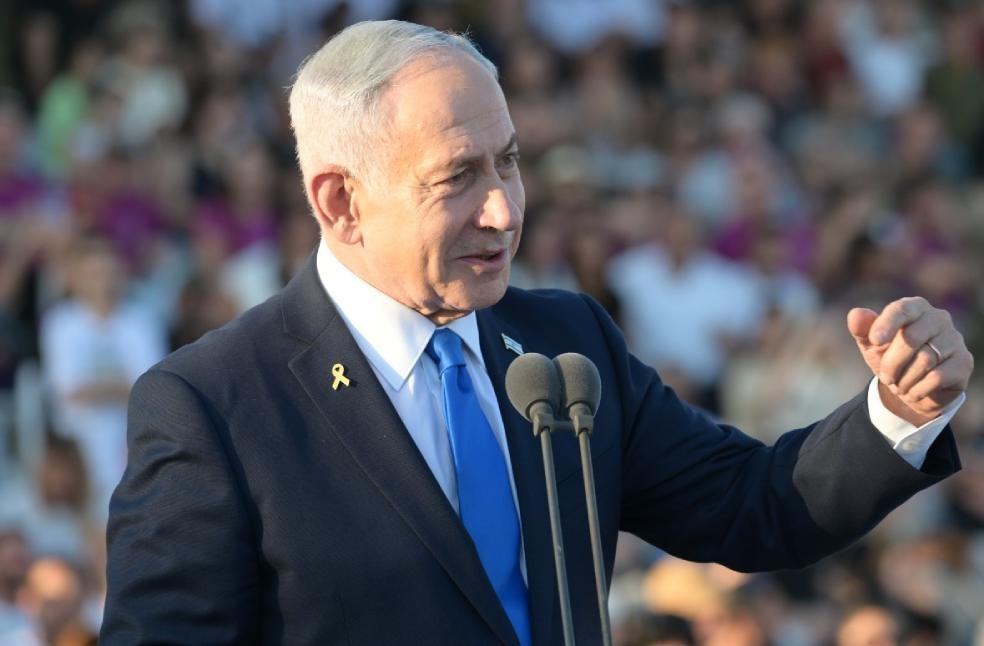
Jerusalem: US support has shaped Israel’s defence structure for decades, but Prime Minister Benjamin Netanyahu has said Israel should gradually move away from dependence on American military aid.
In an interview, Netanyahu said that Israel has reached a stage where domestic defence capabilities have matured enough to support a phased reduction of external assistance. Netanyahu confirmed that the aim is to taper military aid to zero over the next decade, though no fixed deadline has been set.
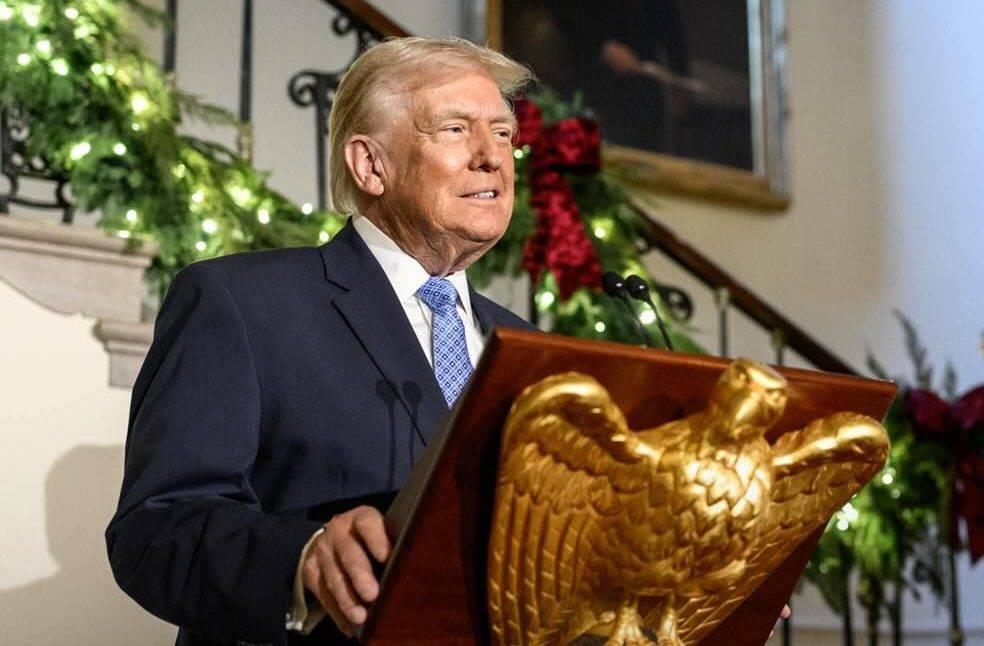
US military assistance has been described by Netanyahu as deeply appreciated and historically important. During discussions with US President Donald Trump, Netanyahu said that Israel recognises the value of American support but also believes the nation has developed advanced technological and industrial strength that allows greater independence.
In December, Netanyahu announced plans for Israel to invest 350 billion shekels, equal to $110 billion (£86.9bn), in building an independent arms industry. The initiative has been designed to reduce reliance on foreign suppliers and strengthen national production of defence systems. This investment reflects a strategic goal of ensuring Israel can maintain military readiness without long-term dependence on the US or other countries.
US and Israeli relations in defence cooperation have been formalised through a memorandum of understanding signed in 2016. The agreement covers a ten-year period through September 2028 and provides $38 billion (£30bn) in military assistance. Of that amount, $33 billion (£26bn) has been allocated as grants for purchasing military equipment, while $5 billion (£4bn) has been designated for missile defence systems.
US assistance has supported Israel’s air defence capabilities, including multi-layered systems designed to intercept rockets and missiles. These technologies have also become major export products, contributing to Israel’s growing role in the global defence market.
Israeli defence exports have risen 13 percent in the past year, supported by major contracts for advanced aerial defence technologies and security systems. The increase has demonstrated the strength of Israel’s defence sector and has reinforced the argument that domestic production can increasingly sustain military requirements.
Analysts view the announcement as a signal of Israel’s ambition to become a more independent military power while maintaining strategic ties with Washington. The proposal reflects long-term planning rather than short-term policy shifts, balancing appreciation for US assistance with the aim of national self-reliance.
POPULAR | Nick Kyrgios opts out of singles at Australian Open
