


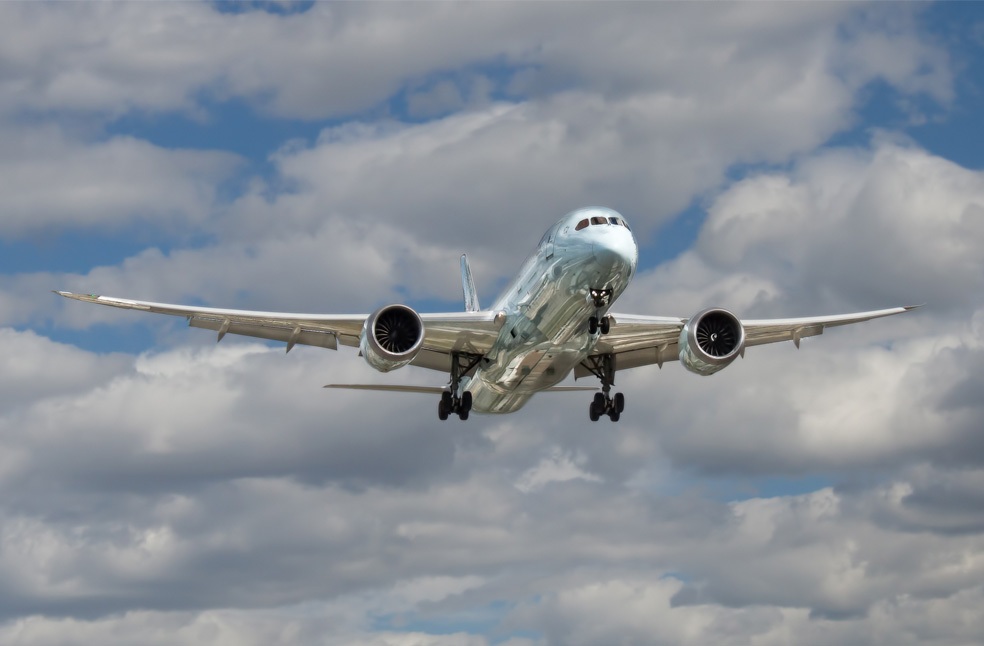
Washington: US Transportation Secretary Sean Duffy announced that starting November 7, Friday morning, air travel capacity will be reduced by 10 percent at 40 major airports across the United States if the ongoing government shutdown continues, the longest in US history.
The move, jointly announced with Federal Aviation Administration (FAA) chief Bryan Bedford, follows growing concerns over air traffic controller fatigue and mounting safety risks as thousands of essential employees continue to work without pay.
Bedford explained that the gradual reduction will begin with a 4 percent cut in domestic flights on Friday, followed by 5 percent on Saturday and 6 percent on Sunday, before reaching the full 10 percent reduction next week, according to reports, which cited four unnamed sources. Officials confirmed that the list of affected high-traffic airports will be released on Thursday.
🚨@USDOT is initiating a 10% reduction in capacity at 40 major airports.
This data-based decision is designed to alleviate pressure on our air traffic controllers required to keep the skies safe. pic.twitter.com/9J9fCw84MA
— USDOT Rapid Response (@USDOTRapid) November 5, 2025
Safety top priority
The cancellations could disrupt 3,500 to 4,000 flights daily, though both Duffy and Bedford emphasized that safety remains the top priority. “We are seeing pressures build in a way that we don’t feel, if left unchecked, will allow us to continue to say we operate the safest airline system in the world,” Bedford said. Duffy added that air travel remains safe and that the reduction aims to preserve system efficiency and security.
Major US airlines have started assessing the impact. American Airlines said that it is awaiting further FAA details to determine which flights will be affected, but expects most passengers to remain unaffected. Southwest Airlines stated it is still evaluating the situation and will inform customers promptly, while urging Congress to resolve its impasse and restore full airspace operations.
Since the government shutdown began on October 1, many federal workers have been furloughed without pay, while essential personnel like air traffic controllers have been required to continue working. Some airports have already experienced flight delays and temporary groundings due to staff shortages, with controllers calling in sick or seeking side jobs to make ends meet.
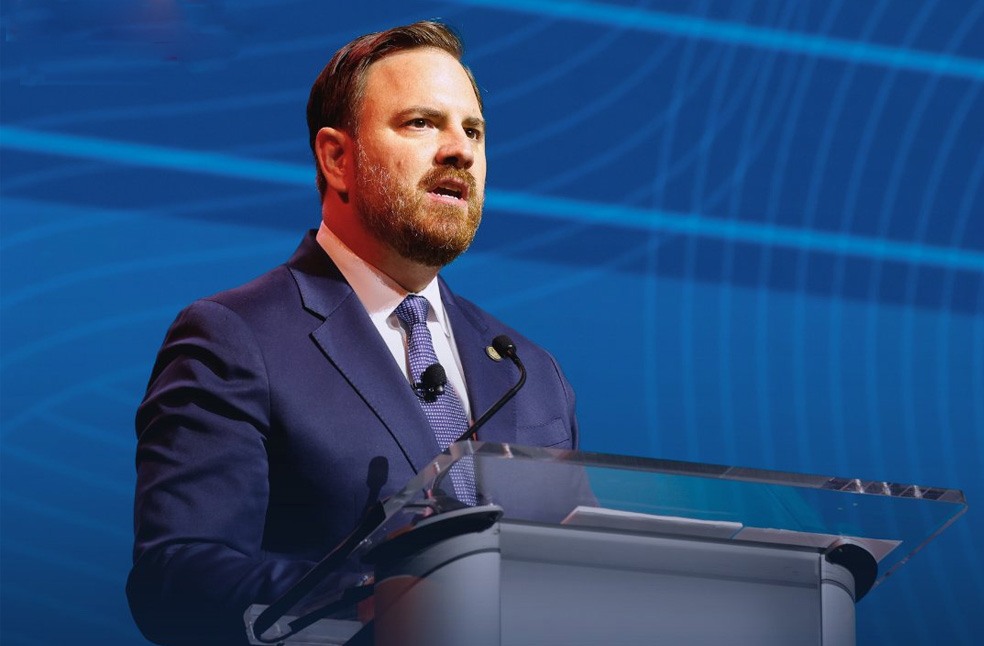
Nick Daniels, President of NATCA, the union representing over 20,000 aviation workers, described the situation as dire: “Controllers are texting that they don’t even have enough money to put gas in their cars to come to work. We base what we do on predictability, and right now, there is none.”
Earlier this week, Duffy had warned of possible flight cuts, noting that half of the country’s 30 major airports were already struggling with staff shortages. The Secretary also cautioned about the safety risks posed by controllers taking secondary jobs during the shutdown and said that those who fail to report for duty could face termination.
As the government shutdown continues to strain the nation’s aviation system, officials warn that maintaining safety and stability will depend on swift action from Congress to restore full operations.
MOST READ | Amazon challenges Perplexity over ‘agentic’ shopping bot
