


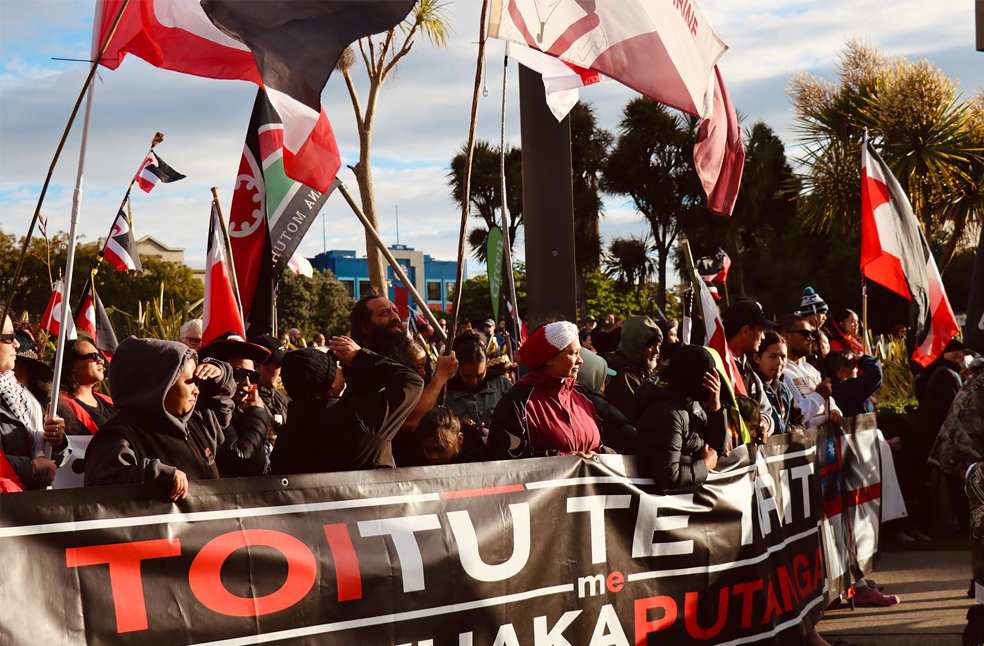
Geneva: A United Nations committee has issued a sharply critical assessment of New Zealand’s recent actions on racial equality, warning that the country is at significant risk of undermining Māori rights and further embedding longstanding disparities affecting the Indigenous population.
The findings come from the UN Committee for the Convention on the Elimination of All Forms of Racial Discrimination (CERD), which reviewed New Zealand’s record as part of its eight-year monitoring cycle. The committee’s 14-page report, released on December 5, expresses alarm at multiple government policy changes impacting Māori.
These include the abolition of the Māori Health Authority, funding cuts to Māori services, and initiatives that downplay the role of the Treaty of Waitangi, New Zealand’s founding document that protects Māori rights, in schools, legislation, and governance structures.
CERD warned that several government decisions, such as ending the Māori Health Authority and reducing budgets for Māori departments, “may seriously risk weakening the legal, institutional and policy framework” necessary to uphold the country’s obligations under the racial discrimination convention.
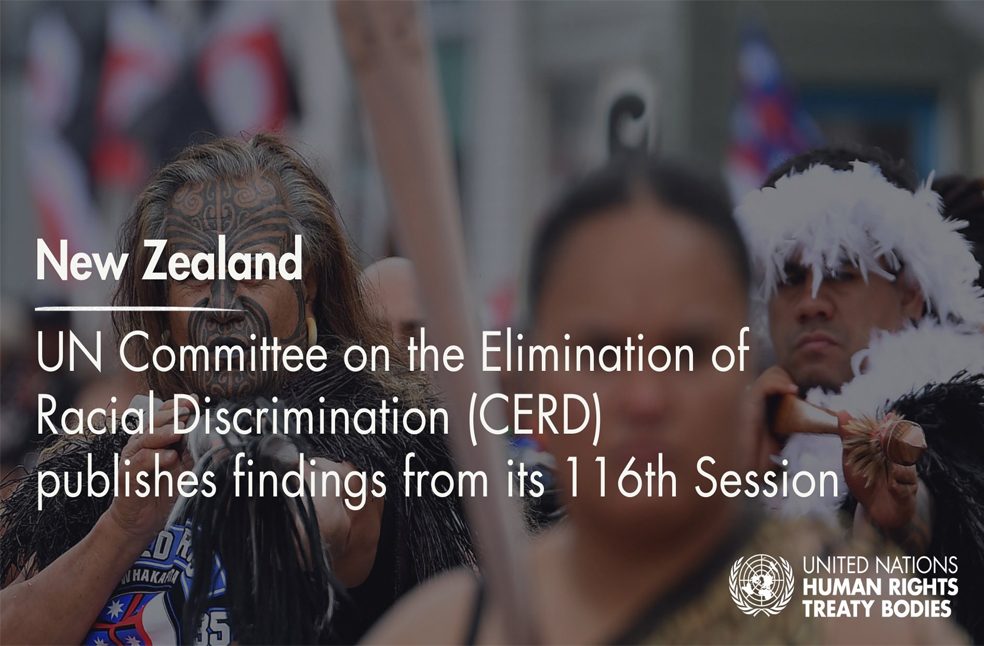
CERD warns NZ Government
The report follows a complaint presented in Geneva by prominent Māori leader Lady Tureiti Moxon, who described the review as “unprecedented in both its length and its language.” Moxon noted that “CERD is clear: New Zealand is moving backwards on racial equality, and Māori rights are under serious threat,”
CERD warned that Māori political expression in parliament is “disproportionately scrutinised and sanctioned,” and noted that certain recent legislative changes may “significantly curtail statutory protections of Māori land rights.” It urged the government to strengthen efforts to revitalise te reo Māori, the Māori language.
The report also raised concerns about government plans to remove Treaty of Waitangi clauses from legislation. According to CERD, such actions could “risk entrenching historical, structural, and systemic discrimination against Māori.”
The committee has asked the New Zealand government to provide a follow-up report detailing specific actions taken to implement its recommendations, especially in areas such as environmental protection, addressing the over-representation of Māori in the justice system, and reinforcing Māori land rights.
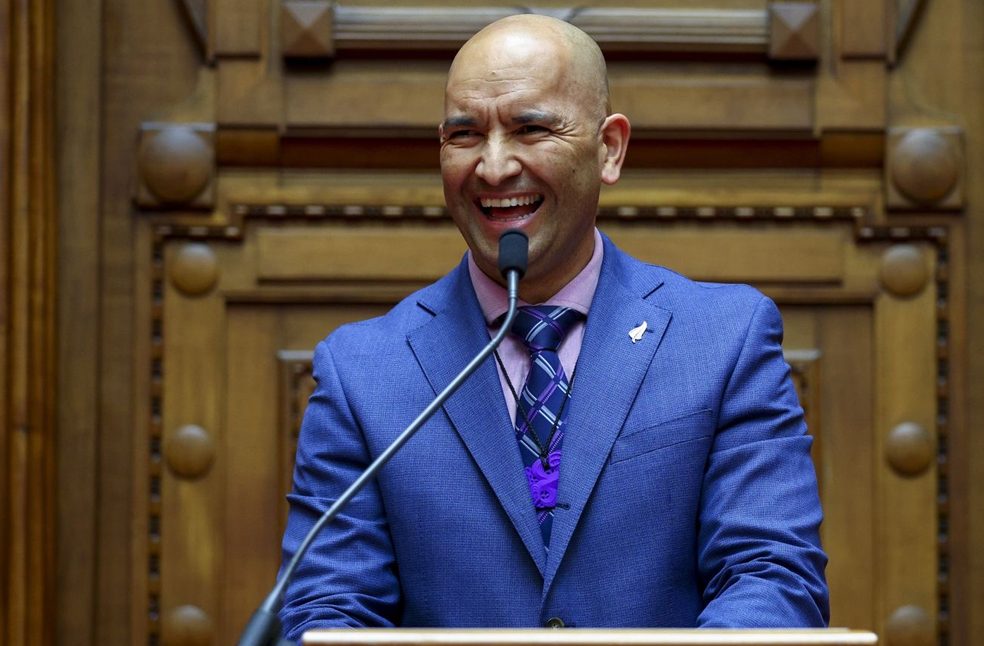
Responding to the findings, Minister for Māori Crown Relations Tama Pokata said he had not yet read the report but affirmed that the government remained committed to improving equity and quality of life for Māori. Pokata said that the CERD review was one of several ‘useful insights’ into challenges that are ‘longstanding and complex’ in New Zealand.
The current coalition government, led by the centre-right National Party alongside Act and NZ First, has pledged to remove what it considers ‘race-based policies.’
Since coming to power in 2023, it has rolled out extensive reforms affecting Māori, including removing requirements for schools and public institutions to consider the Treaty of Waitangi and supporting a highly controversial bill aimed at radically redefining how the Treaty is interpreted. Although the bill passed its first stage, it was ultimately voted down at its second reading.
These reforms have triggered widespread public backlash. New Zealand has seen its largest protests ever in defence of Māori rights, along with multiple new claims submitted to the Waitangi Tribunal, judicial reviews, and large nationwide gatherings led by Māori communities and leaders.
ALSO READ | Goa nightclub fire kills 25; Officials launch investigation
