


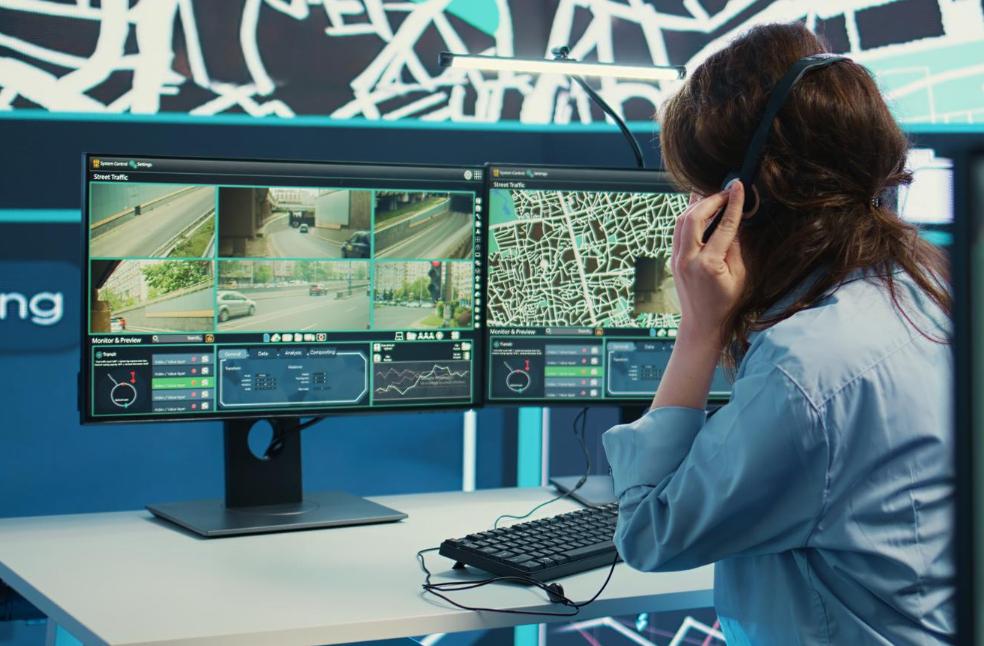
London: A recent UK-wide survey has revealed that about a third of employers are using ‘bossware’ technology to track workers’ activities, with the most common methods including monitoring emails, web browsing, and, in some cases, screen activity.
Private companies are the most frequent users of such in-work surveillance, with one in seven employers recording or reviewing screens, according to findings shared by the Chartered Management Institute (CMI).
The study, based on responses from hundreds of UK managers, indicates that computerised workplace monitoring is on the rise. In 2023, the Information Commissioner’s Office (ICO) reported that less than a fifth of workers felt monitored. The new survey suggests actual surveillance may be underreported, as a similar proportion of managers admitted they didn’t know what tracking tools their organisations use.
Many employers justify monitoring as a way to prevent insider threats, safeguard sensitive information, and detect dips in productivity. However, the trend is raising concerns.
A large minority of managers believe it undermines trust with staff and violates privacy. One insurance company manager developing AI systems to monitor staff screen activity described the process as ‘unsettling,’ questioning whether employers do not trust employees or are considering AI replacements.
Some providers of employee monitoring tools can track idle time, productivity, unapproved AI or social media usage, and provide real-time insights, including screenshots, screen recordings, keystrokes, and app activity.
In response to these findings, the ICO stated that employers must inform employees about the nature, extent, and reasons for monitoring. It warned that excessive oversight, particularly for remote workers, can infringe on privacy and promised to take action if necessary.
The CMI noted that monitoring is often intended to ensure inappropriate content is not accessed, but warned that employees may feel like they are being watched, leading to long-term trust and privacy issues. Petra Wilton, CMI director of policy, stressed that transparency is critical to prevent problems related to data privacy and protection.

Intrusive monitoring
Recent examples of surveillance technology include HSBC’s plans to install 1,754 security cameras and biometric readers at its new London headquarters. Similarly, PwC introduced a ‘traffic light’ system using pass swipes and Wi-Fi connections to monitor whether staff meet the requirement of attending the office at least three days a week, which a spokesperson said was accepted by most employees.
However, some employees describe monitoring as intrusive and harassing. A former senior worker at a public transport authority reported that surveillance of their online diary and other activities contributed to their resignation.
The CMI survey also found that one in six managers would consider leaving their job if ‘bossware’ use increased. Among managers aware of their organisations’ surveillance, 35 percent monitor emails, while logging login and logout times and system access remain the most common forms of tracking.
Overall, 53 percent of managers support monitoring online activity on employer devices, while 42 percent oppose it, citing concerns that it undermines trust, fails to improve performance, and can be misused or lead to unfair judgments and disciplinary actions.
ALSO READ | Sainsbury’s recalls hummus over risk of deadly E. coli
