


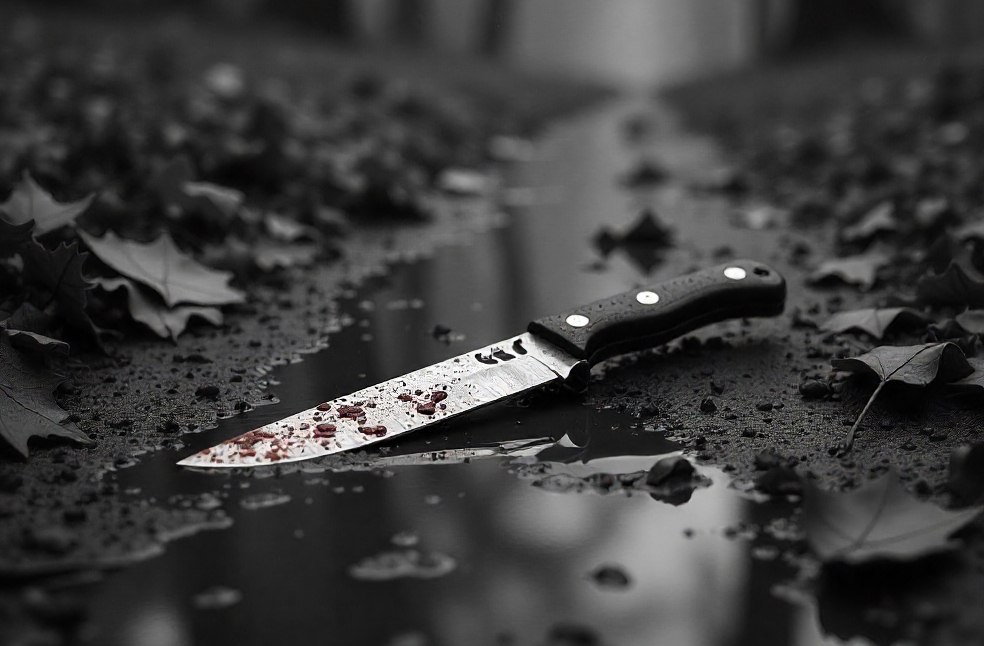
Hindhead, England: Knife crimes in England and Wales have surged by 87 percent over the past decade, with over 54,500 offences recorded in the past year alone, making it one of the highest rates in Europe.
In the wake of the tragic 2024 Southport knife attack that left three girls dead and several injured, the UK government is stepping up its efforts to curb youth-related knife violence through stricter laws, public campaigns, and education initiatives aimed at addressing the root causes.
The government, under Prime Minister Keir Starmer, has launched a month-long campaign encouraging youth to surrender knives in ‘amnesty’ bins and mobile vans in an urgent bid to reduce knife-related violence, particularly among young people.
One year on, the whole nation stands with the families of Bebe, Alice and Elsie.
We stand together in grief, in honour of the memory of those wonderful children, and in admiration of the families who have shown strength beyond words.
We stand with all the children and adults…
— Keir Starmer (@Keir_Starmer) July 29, 2025
The Labour government has also introduced stricter measures, including tighter age verification for knife sales, the banning of zombie-style knives and ninja swords, and threats of fines for social media platforms that promote or facilitate knife purchases. In September 2024, Starmer formed a coalition to combat youth knife crime, which has included participation from actor Idris Elba and King Charles.
Despite these measures, many charities and experts argue that the root causes, such as poverty, gang culture, and mental health, are not being addressed adequately. Organizations like the Safety Centre and Charlie’s Promise have called for mandatory knife crime education in school curricula.
Safety Centre runs workshops for children aged 9 to 12, using interactive tools to explain the risks of carrying weapons. Martin Cosser, who founded Charlie’s Promise after his 17-year-old son was killed in a stabbing, emphasized the need to understand the emotional triggers that lead youths to carry knives.
Knife crime in UK includes 3,200 involving children aged 10–17. Of the 262 people killed by knives during that period, 57 were under 25. Kitchen knives remain the most commonly used weapon.

To tackle the crisis, some police forces have created specialized knife crimes units. The West Midlands Guardian Taskforce, for example, logged over 3,000 patrol hours in June, conducted 366 stop-and-searches, and confiscated 57 knives. Inspector Kate Jeffries stated that, “Every knife seized is a life saved.”
In addition, the government is funding youth support hubs in high-risk areas, providing mental health and career counseling. Eight centres are currently being developed, with plans to reach 50 over the next four years.
With 4.5 million children living in poverty and around one in five youth suffering from probable mental disorders, Levell and other advocates argue that long-term structural change is essential.
Campaigners like Amani Simpson, a stabbing survivor turned youth mentor, also call for more proactive efforts to engage disaffected youth and help them build a sense of self-worth and purpose. “Hope for me is the missing piece,” Simpson said after speaking to students at a special education school in North West London.
MOST READ | Germany train derailment kills 3, injures 50 near Riedlingen
