



Kent, UK: The UK Home Office’s plan to immediately seize asylum seekers’ mobile phones and SIM cards without making an arrest has been strongly criticised by solicitors and anti-torture campaigners, who argue the measures are invasive, potentially unlawful, and inhumane.
From January 5, people arriving in the UK by small boat and taken to the Manston processing centre in Kent will be eligible for searches of electronic devices, a minister has confirmed. The site is equipped with technology that allows officials to download data from phones.
Under the new powers, officers will be authorised to require asylum seekers to remove outer clothing such as coats, jackets, and gloves to search for devices, and to conduct searches inside detainees’ mouths for hidden SIM cards or small electronic items.
Officials have so far declined to confirm whether children will also be subjected to mouth searches. However, Home Office sources have previously stated that, if considered clearly necessary and proportionate, children could also be searched.
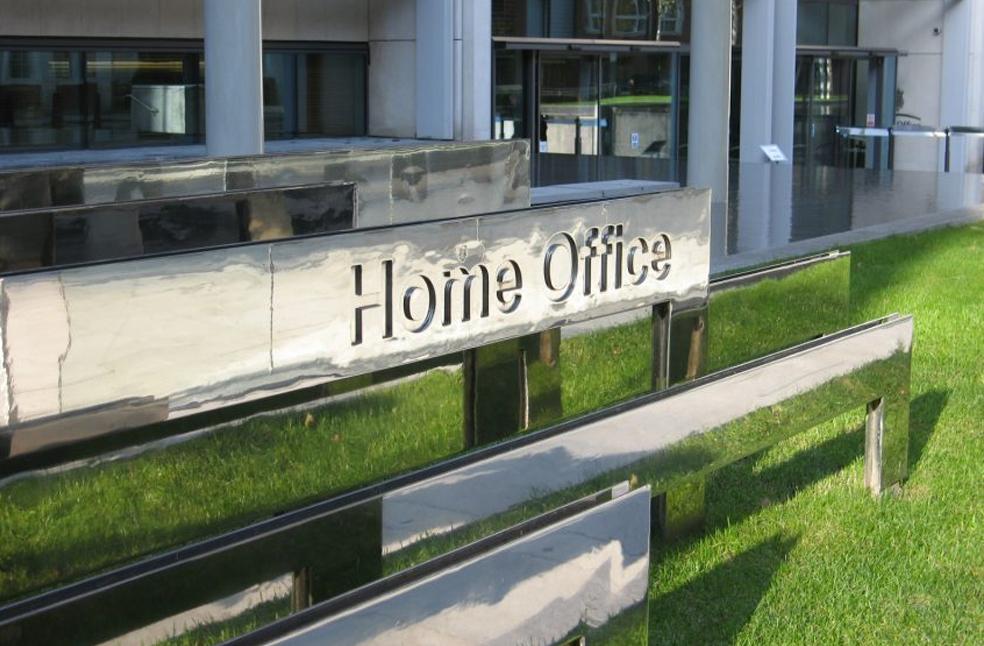
The policy forms part of Prime Minister Keir Starmer’s broader efforts to clamp down on unauthorised Channel crossings, as he seeks to counter the growing electoral challenge posed by Nigel Farage’s Reform UK party.
Natasha Tsangarides, Associate Director at the NGO Freedom from Torture, condemned the move, saying that subjecting “desperate and traumatised men, women and children” to invasive searches – including examinations of clothing and even inside their mouths – immediately after surviving a dangerous Channel crossing is ‘profoundly inhumane.’
Tsangarides warned that applying these powers indiscriminately to all small-boat arrivals risks treating all refugees as security threats, regardless of evidence, and shows a “shocking disregard” for the fundamental right to privacy.
Legal concerns have also been raised by practitioners representing asylum seekers. A solicitor whose firm acts for dozens of claimants questioned whether the plans comply with a 2022 High Court ruling on mobile phone seizures.

Jonah Mendelsohn of Wilson Solicitors remarked that the government has not identified any form of independent oversight to ensure searches are carried out fairly and lawfully.
Mendelsohn warned that, to meet legal standards set by the High Court, intrusive searches and data extraction require independent authorisation and oversight, and added that it remains unclear whether the legislation includes such safeguards.
The Solicitor emphasized that rolling out phone searches at Manston raises fears of blanket searches on new arrivals, potentially repeating failures previously criticised by the courts.
Thousands of asylum seekers who cross the Channel in small boats are processed at the Manston site near Ramsgate in Kent by Home Office officials and contractors. Many arrivals are highly vulnerable and reach the UK traumatised by their journeys.

Under the new powers, officers will be entitled to search asylum seekers at UK ports for electronic devices, including by checking inside their mouths for concealed SIM cards or small technology. Home Office officials argue that mobile phone searches will allow authorities to gather intelligence on asylum seekers’ journeys and help identify and arrest people-smugglers.
The measures are enabled by the Border Security, Asylum and Immigration Act, which became law in December. Borders Minister Alex Norris defended the approach, saying the government is implementing “robust new laws with powerful offences” to intercept, disrupt, and dismantle people-smuggling gangs more quickly and cut off their supply chains.
Separately, Prime Minister Starmer said that the UK would begin to see ‘evidence’ of asylum hotel closures in the coming months. PM added that he had instructed departments to bring closures forward rather than waiting until the end of the parliament.
In total, 41,472 migrants crossed the Channel to the UK in 2025, the second-highest annual figure on record. This represented a 13 percent increase on 2024, when 36,816 migrants made the journey, and a 41 percent rise on 2023’s total of 29,437.
ALSO READ | Digital wallet scams rise as banks issue fresh warning
