


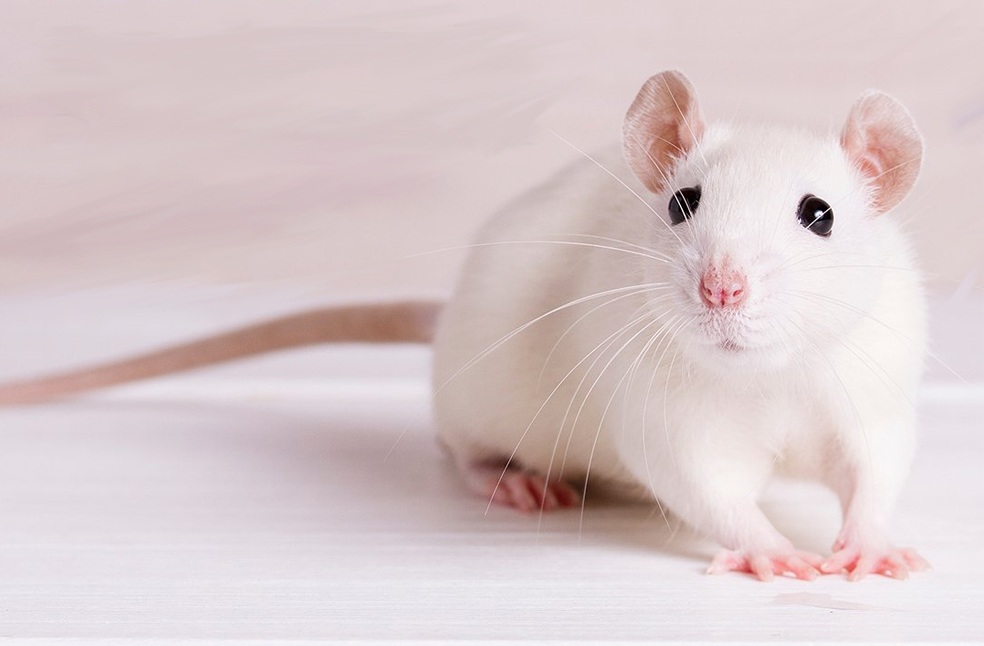
London: The UK government has announced a comprehensive strategy to accelerate the phase-out of animal testing in scientific research through the use of artificial intelligence (AI), 3D bioprinted human tissues, and advanced non-animal methods.
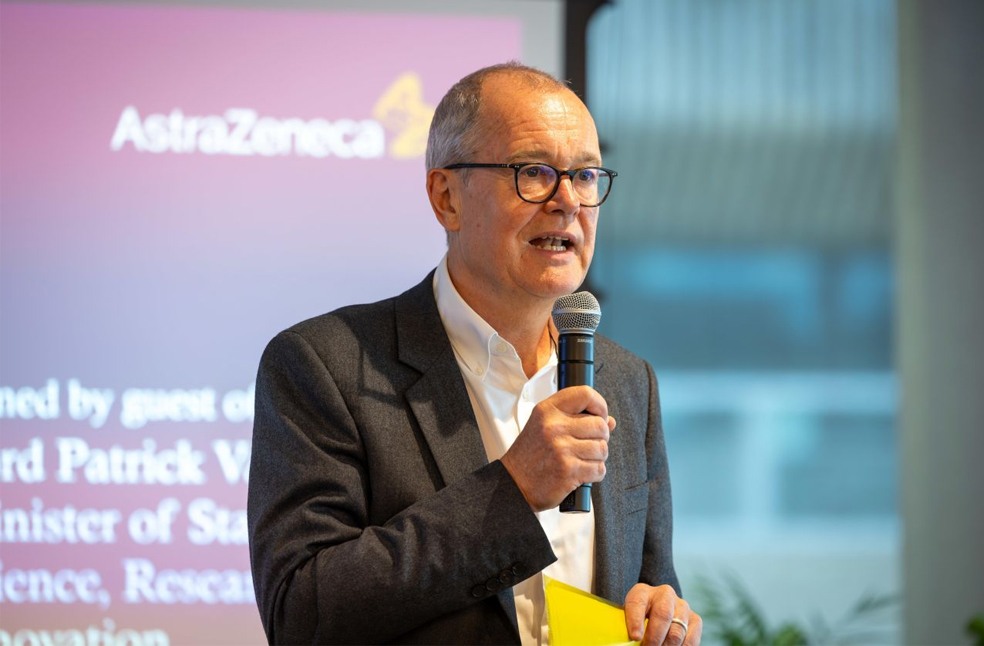
Unveiled by Science Minister Lord Patrick Vallance, the roadmap aims to replace animal experiments used to ensure the safety of products such as vaccines and to assess the environmental impact of pesticides, with innovative technologies that maintain human safety standards.
The strategy emphasizes that animal testing can only be fully phased out when alternative methods are proven to deliver the same reliability and safety outcomes. To achieve this, the government will provide new funding for researchers and implement streamlined regulatory processes to accelerate the adoption of next-generation testing systems.
We’re investing £75 million to phase out animal testing faster ❌
With cutting-edge alternatives like 3D bioprinted tissues and devices that mimic human organ functions, we're backing researchers to deliver solutions that protect animal welfare. pic.twitter.com/eMtJ7yH0Yx
— Department for Science, Innovation and Technology (@SciTechgovuk) November 11, 2025
Among these innovations are organ-on-a-chip technologies, which replicate human organ functions using real human cells, and AI-driven models capable of analyzing vast molecular datasets to predict how new medicines will interact with the human body.
Additionally, 3D bioprinted tissues, ranging from skin to liver, will allow scientists to conduct realistic safety and performance tests without animal involvement.
The roadmap also outlines a timeline of reduction targets:
- By the end of 2026, regulatory testing on animals for skin and eye irritation and skin sensitisation will be phased out.
- By 2027, researchers will end Botox potency tests on mice.
- By 2030, pharmacokinetic studies, which track how drugs move through the body, on dogs and non-human primates will be significantly reduced.
Lord Vallance highlighted the moral and scientific motivation behind the initiative and stated that, “Nobody in our country of animal lovers wants to see suffering, and our plan will support work to end animal testing wherever possible and roll out alternatives as soon as it is safe and effective to do so. This is a roadmap which will ensure government, businesses, and animal welfare groups can work together to find alternatives to animal testing faster and more effectively.”
Barney Reed, Science and Policy Manager for animals in science at the RSPCA, welcomed the announcement and said that, “This strategy sets a clear ambition towards eliminating animal use and supports increased access to the infrastructure, collaborations and resources required to facilitate the further development and uptake of non-animal methods.”
“This will help UK scientists to embrace the high-quality, ethical science needed in a rapidly changing world. If supported and implemented effectively, the strategy should create a good foundation for accelerating the replacement of animals, which will be positive news for animals, science, and society,” Reed added.
The new roadmap to phase out animal testing signals a significant step toward positioning the UK as a global leader in ethical, technology-driven scientific research, ensuring animal welfare while maintaining rigorous safety and innovation standards.
MOST READ | US Senate breaks deadlock; Approves deal to reopen govt
