


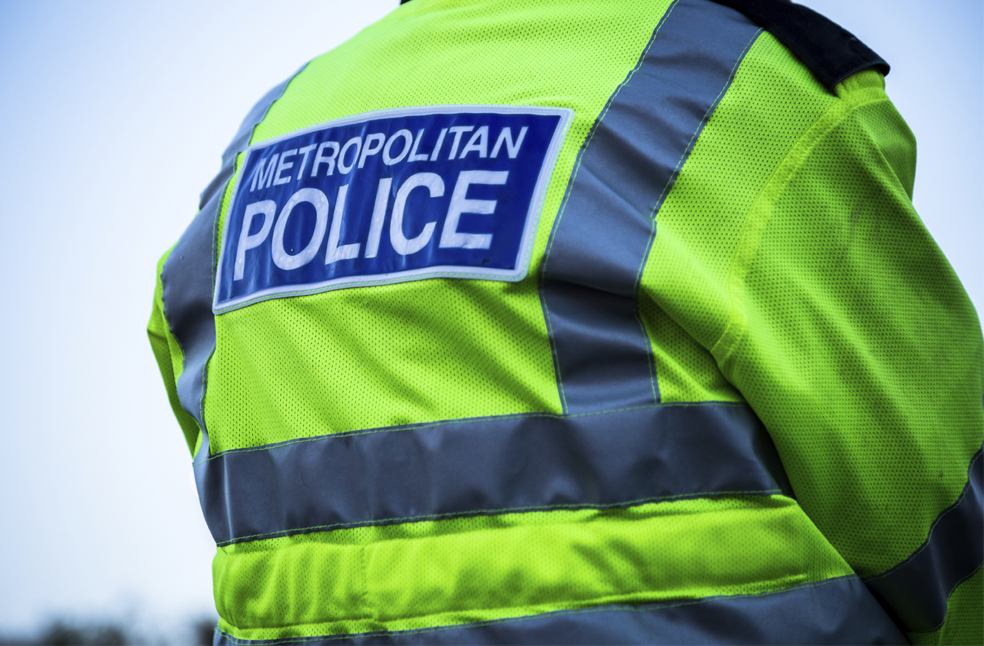
London: UK ministers are preparing to give police new powers to curb repeated protests, particularly demonstrations connected to Gaza, the Home Office has confirmed. The announcement comes the day after nearly 500 people were arrested in London for showing support for Palestine Action, a proscribed organisation.
The new measures could allow police to order regular protests to take place at alternative locations. Home Secretary Shabana Mahmood will also review all anti-protest legislation, with the possibility of strengthening powers to ban certain protests outright.
Mahmood said that there was ‘a gap in the law’ that required urgent attention, and she intends to act quickly. The proposed powers would amend the Public Order Act 1986, allowing police to take into account the ‘cumulative impact’ of repeated protests, with further details to be announced ‘in due course.’
Under the planned changes, if a protest causes ‘repeated disorder’ at the same site over consecutive weeks, police could require organisers to move it elsewhere. Anyone who fails to comply could face arrest. The Home Secretary added that she would also review existing legislation to ensure powers are sufficient and applied consistently, including the ability to ban protests entirely.
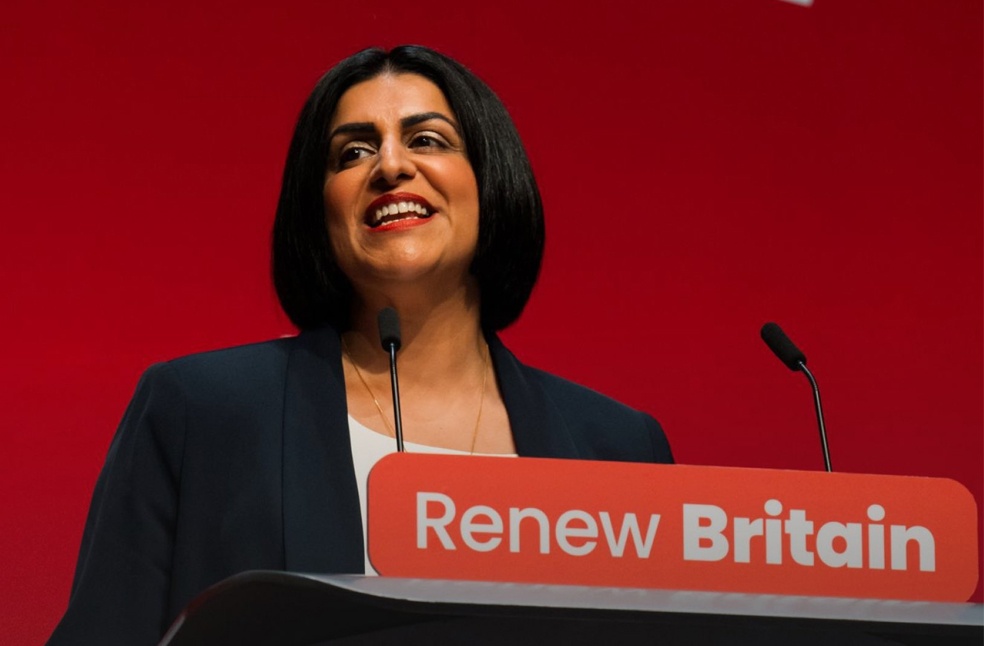
Mahmood elaborated that ‘cumulative disruption’, the frequency of certain protests in specific locations, would itself justify police restrictions or conditions, such as changing the venue or limiting the protest’s duration.
The new powers appear aimed at mass pro-Gaza demonstrations, which have occurred over several weeks in London and other cities, as well as protests in support of Palestine Action. On October 4, police arrested roughly 500 people at a protest despite requests from ministers, including Keir Starmer, to postpone the event following the deadly synagogue attack in Manchester earlier in the week.
Mahmood indicated that the planned powers respond directly to these recent events, citing inconsistencies in how existing laws are enforced. She stressed that the government is committed to protecting the right to protest while ensuring communities can go about their daily business without intimidation and that public order is maintained.
Defending the mass arrests and the banning of Palestine Action under terror laws, Mahmood highlighted that, “People might not like that decision, they might have questions about the way anti-terror laws work in this country, but there is no excuse for holding up placards supporting a banned organisation. That will always be met with a police response.”

The strain on officers has been evident, with the Chair of the Metropolitan Police Federation, Paula Dodds, stating that officers policing protests in London were “emotionally and physically exhausted.”
Dodds called for a shift in focus to public safety, saying, “Enough is enough. Our concentration should be on keeping people safe at a time when the country is on heightened alert for a terrorist attack. Instead, officers are being drawn into facilitating these relentless protests.”
The planned powers follow protest-related measures included in the Crime and Policing Bill, currently before Parliament. These measures criminalise climbing certain war memorials and the possession of face coverings, fireworks, or flares at protests.
Mahmood has also visited sites affected by recent attacks, including the Manchester synagogue, alongside local authorities, highlighting the government’s focus on balancing protest rights with public safety.
ALSO READ | Death toll hits 14 in Indonesia School Collapse; Rescues continue
