


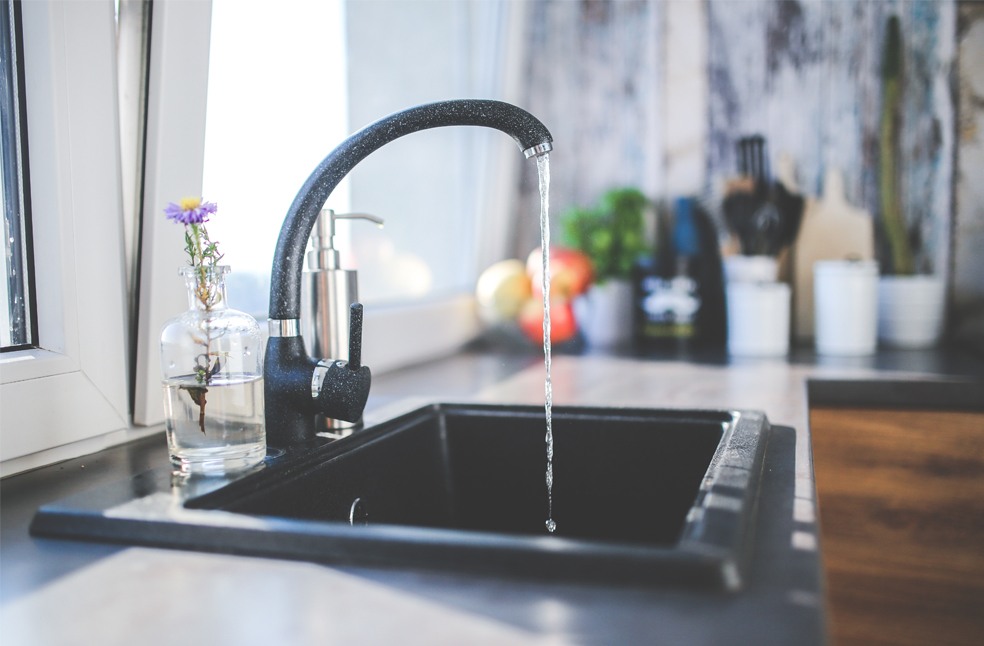
London: The UK government is consulting on proposals to make water-saving features mandatory in new homes across England, including aerated taps and showerheads, dual-flush toilets, and other water-efficient devices.
The move comes as five areas in England continue to face drought this autumn, following a record-breaking hot summer. Officials say the measures would have minimal impact on residents’ daily routines while cutting water usage by about 20 litres per person per day and saving households around £100 annually.
England is expected to face water shortages of up to five billion litres per day by 2050, driven by a growing population and climate change altering rainfall patterns. In addition to conserving water, the new regulations could help unblock housing developments, potentially allowing an extra 1,000 homes to be built for every 5,230 constructed under the new standards.
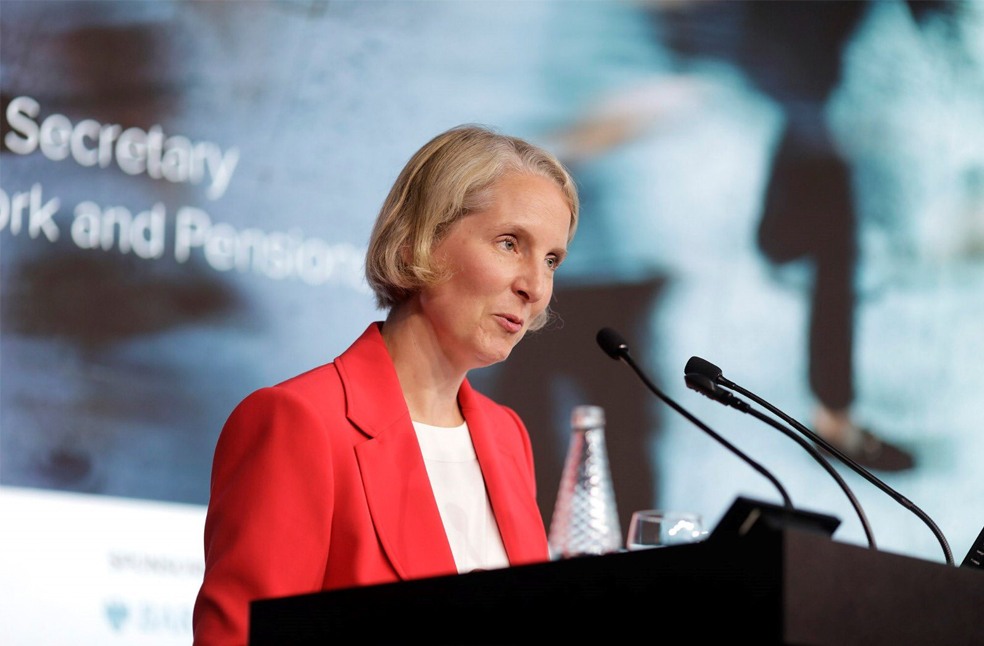
Environment Secretary Emma Reynolds, promoted in the recent reshuffle, said that, “Removing the water shortage barriers that have stalled development for too long will mean unlocking thousands of new homes while saving families’ money.”
Water scarcity has already affected housing development in some areas. Crawley Borough Council declared a ‘housing emergency’ last year, citing water demand as one factor slowing construction. Similarly, non-housing developments have been banned in Hartismere in Cambridge until 2033 due to a lack of water supply.
The consultation forms part of a broader plan to reduce domestic water consumption from approximately 137 litres per person per day to 110 litres by 2050. Additional measures being considered include harvesting rainwater to flush toilets.
Experts say these changes are likely to be highly effective without noticeable disruption to daily life. Benjamin Gardner, a Psychology Professor at Surrey University who specialises in behaviour change, highlighted the importance of retrofitting older homes as well, “Retrofitting water-saving technology into existing homes should be a priority too,” Gardner remarked, ensuring all households have the chance to save water and money.

The proposals have been welcomed by campaigners and housing developers. Rhodri Williams from the Home Builders Federation noted that new builds are far more water-efficient than older homes, saving an average of £126 per year and reducing the country’s water use by billions of litres annually. Williams added that incorporating water-saving measures into planning decisions is a sensible step to unlock urgently needed homes in water-stressed areas.
However, campaign group River Action warned the government has acted too slowly. CEO James Wallace said that, “The once-feared water crisis is already here. This summer was one of the driest and hottest on record.”
Wallace urged the government to pressure water companies to reduce leaks, emphasizing that families should not bear the burden alone. The water industry has pledged to halve leakage rates by 2050.
MOST READ | India rolls out GST cuts on essentials, cars, and consumer goods
