



London: Seven out of 10 mothers in the UK say they feel overloaded, while almost half report experiencing mental health conditions such as anxiety, depression, or burnout, according to new research examining the impact of motherhood across Europe.
The findings come from a report by the pan-European campaign group Make Mothers Matter, which surveyed 800 mothers in each of 12 European countries to assess the psychological impact of giving birth and managing the pressures of motherhood.
The study also found that most mothers in the UK continue to carry the main burden of household chores and caregiving responsibilities, and that Britain ranks among the worst countries for the negative effect of motherhood on women’s careers.
The report has prompted renewed calls for GPs, NHS maternity services, and health visitors to routinely ask mothers about their mental well-being and to offer significantly more support to those in need.
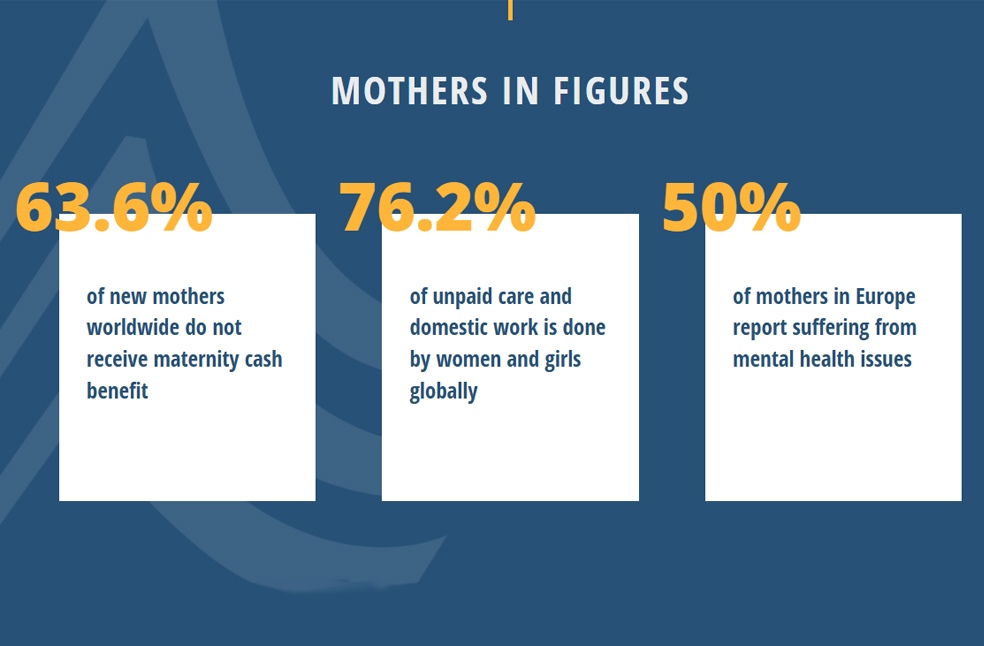
In the UK, 71 percent of mothers said they feel overloaded, compared with a European average of 67 percent. Around 47 percent of UK mothers reported suffering from mental health issues, including burnout, slightly below the European average of 50 percent.
However, 31 percent of UK respondents noted that motherhood had a negative impact on their career, higher than the European average of 27 percent, with Ireland recording the highest figure at 36 percent.
Despite these challenges, the study highlighted some areas where UK mothers reported relatively better outcomes. Only 11 percent of mothers in the UK said their partner did not take paternity leave, significantly lower than the European average of 25 percent. In addition, 32 percent of UK mothers felt their role was not recognised by society, compared with a European average of 41 percent.
The research covered mothers in the UK, Ireland, Belgium, Germany, France, Italy, Spain, Poland, the Czech Republic, Portugal, Sweden, and Slovakia.
Professor Alain Gregoire, a Perinatal Psychiatrist and honorary President of the Maternal Mental Alliance UK, said that despite recent improvements in NHS maternity mental health care, too many mothers remain ‘suffering in silence.’
Gregoire highlighted that the stigma around seeking mental health support, the lack of available services, and insufficient training for health professionals in identifying maternal mental health problems are major barriers to care.
Professor Gregoire added that easy access to talking therapies offering psychological support would provide a non-stigmatised route to help and could significantly reduce suffering for mothers and families.
Gregoire also pointed to the UK’s comparatively low investment in services supporting families and children from birth to age five, particularly when compared with northern European countries, as a key reason why Britain performs poorly on maternal wellbeing.
Angela McConville, Chief Executive of the parenting charity NCT, stated that the findings show that women are being asked to manage the responsibilities of motherhood without adequate support.
McConville added that pregnancy, birth, and early parenthood are times of heightened vulnerability, yet major gaps remain in the care and services provided to women and new parents, especially after birth.
Many mothers, she added, experience a fragmented postnatal care system that is severely underfunded and understaffed, leaving them feeling isolated at a time when support is most critical.
Make Mothers Matter also reported that mothers across Europe are experiencing higher levels of stress, emotional exhaustion, and cognitive overload today than when the organisation conducted a similar survey in 2011.
It attributed this trend to increased economic insecurity, ongoing work-life imbalance, insufficient care infrastructure, and the lasting impact of the Covid-19 pandemic, which intensified caregiving demands and blurred the boundaries between paid and unpaid work.
The Department of Health and Social Care did not respond directly to the findings of the report. However, a spokesperson said that every mother deserves to feel supported in relation to her mental health and that the government is committed to ensuring help is available when needed.
The spokesperson said a wide range of support is available through the NHS for new and expectant mothers, including access to specialist perinatal services, talking therapies, and support from health visitors.
They added that the government is investing an additional £688 million in mental health services this year, has recruited an extra 7,000 mental health workers, and is expanding NHS talking therapies.
ALSO READ | Red flood warning issued as Storm Chandra batters UK
