


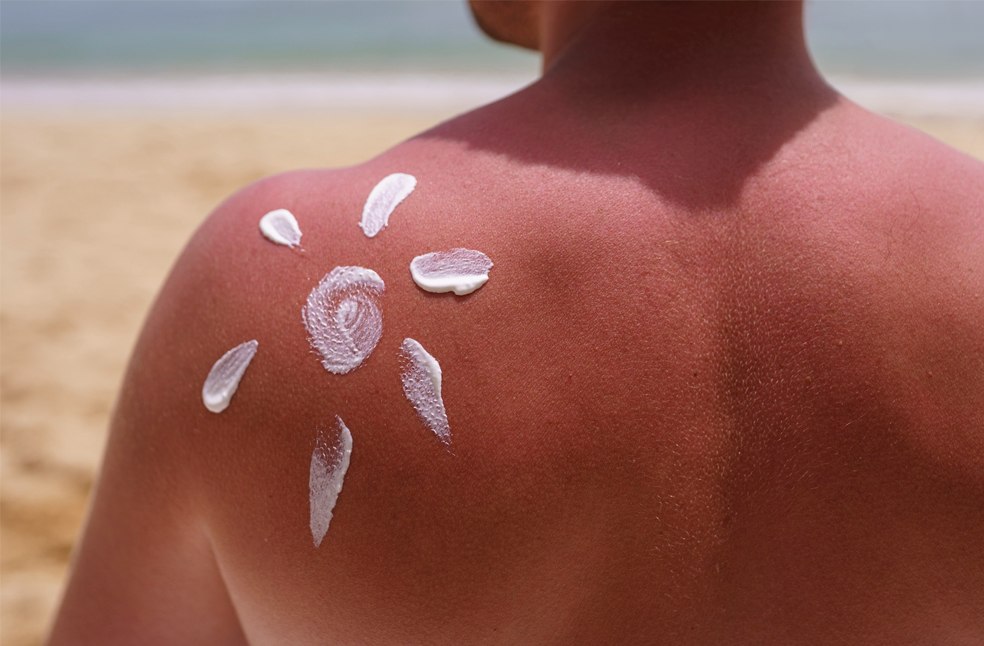
London: With temperatures expected to soar across the UK this weekend, the government is warning that the NHS will face increased pressure, urging the public to take care in the sun to avoid preventable health issues like sunburn.
A new amber heat health alert has been issued for England, and dermatologists are emphasizing the hidden dangers of sun exposure. While sunburn may appear as nothing more than red, sore skin, the real damage happens underneath.
Dr Rachel Abbott, a consultant dermatologist specialising in skin cancer at Cardiff and Vale University Health Board, explains that sunburn is essentially inflammation triggered by ultraviolet (UV) radiation, primarily UVB, but also UVA.
When UV rays penetrate the skin, they set off an inflammatory reaction involving histamines and prostaglandins, chemicals and compounds that respond to injury and infection.
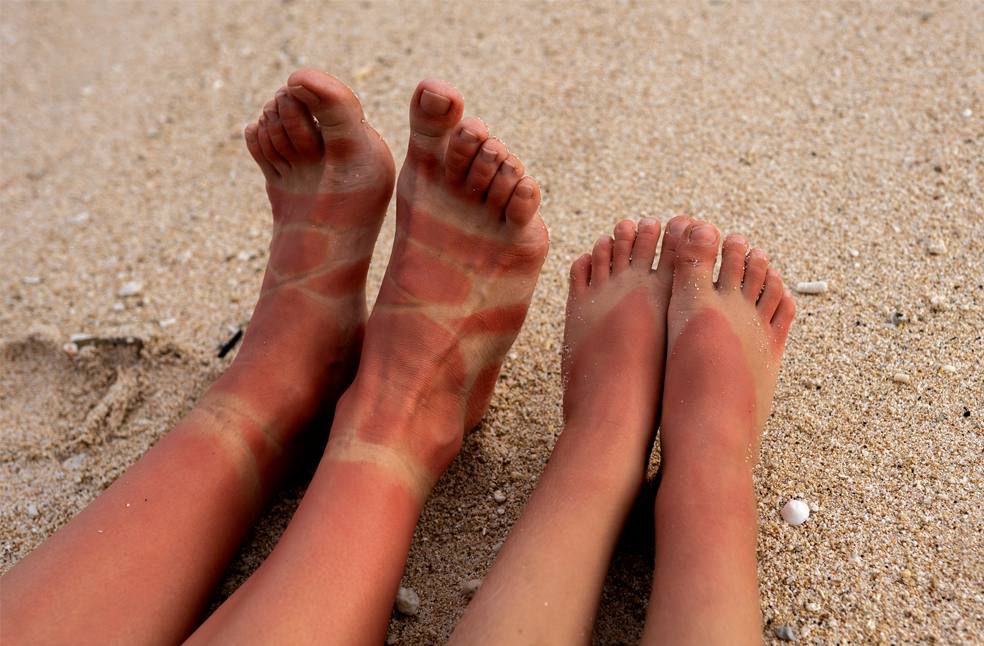
Although sunburned skin may heal on the surface, DNA damage caused by UV radiation is permanent. Dr Abbott noted that, “The redness and pain can be managed symptomatically, but that DNA damage is permanent.”
The dermatologist added that while the body has natural DNA repair mechanisms, over time these become less effective, making people more vulnerable to skin cancer, especially with repeated exposure. This long-term risk is already becoming clear. According to Cancer Research UK, skin cancer cases in Britain have more than doubled since the early 1990s, with projections estimating a record 20,800 cases in 2024.
The charity attributes the increase in part to older generations who were unaware of the dangers of sun exposure during their youth, particularly during the 1960s boom in affordable package holidays that led to increased sunbathing abroad.
Currently, there is no proven treatment to reverse DNA damage caused by sunburn, although Dr Abbott notes that promising research is ongoing. For now, prevention remains critical.

Contrary to popular belief, suncream should be a last line of defense, not the first. “Shade is the most effective thing,” said Dr Abbott.
Protective clothing, wide-brimmed hats, and sunglasses come next, with sunscreen used only on areas not covered. Importantly, people should monitor the UV index, not just temperature. UV exposure usually peaks around midday, making it the most dangerous time to be outdoors unprotected.
Macmillan Cancer Support also stresses the importance of proper sunscreen use. The charity recommends using a broad-spectrum suncream with SPF 50, or at least SPF 30, and reapplying it regularly, especially after swimming or sweating.
MOST READ | Canada passes Economy Act granting Carney fast-track powers
