


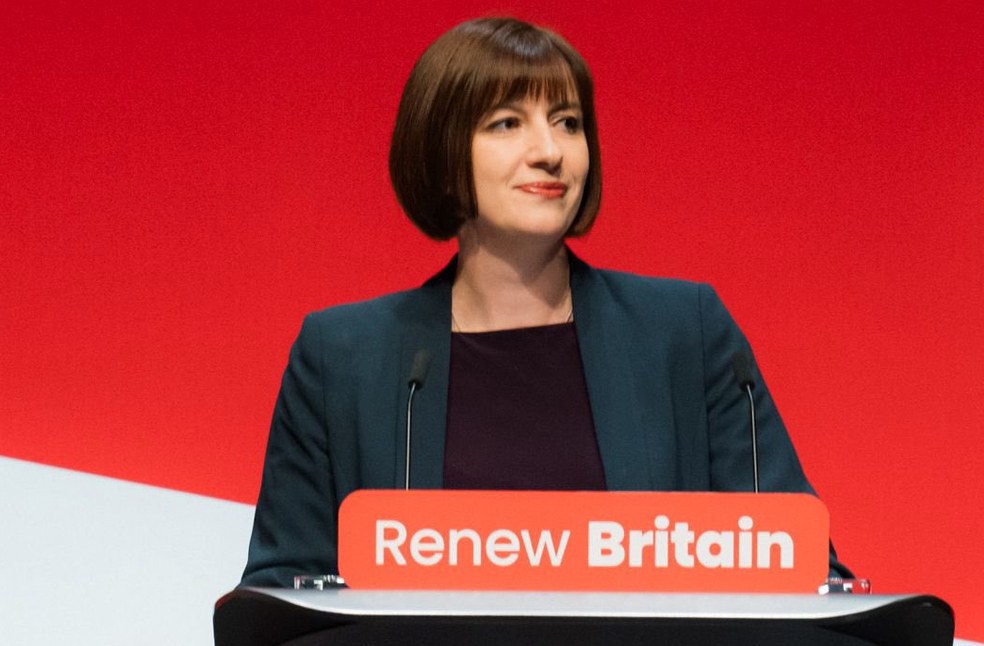
London: The UK government has unveiled a landmark reform set to overhaul post-16 education by introducing a new qualification route called ‘V Levels’ for students aged 16 to 19.
The announcement, made by the Department for Education (DfE), aims to deliver ‘vocational qualifications tied to rigorous and real-world job standards.’
Education Secretary Bridget Phillipson described technical and vocational education as the ‘backbone of this country’s economy,’ saying it has been neglected for too long.
Post-16 education in our country has been fragmented for too long. It’s held back learners, it’s held back our economy.
Today, Labour is unveiling once in a generation changes to modernise our system so we can unlock opportunity for young people and drive growth for our country.
— Bridget Phillipson (@bphillipsonMP) October 20, 2025
Under the reforms, around 900 existing vocational qualifications for 16-19-year-olds will be replaced with V Levels, creating a clearer pathway alongside existing A Levels and T Levels. The DfE says this will simplify what it called a ‘confusing landscape’ of level-3 courses.
Students will gain new flexibility: V Levels can be taken either individually or in combination with A Levels. For example, someone targeting a creative-arts or media career might choose two V Levels (Craft & Design; Media, Broadcast & Production) plus an A Level in Music. Another student could mix three V Levels in Sport & Exercise Science; Digital; and Health & Care Services.
The package is backed by an additional £800 million in funding for 16-19 education in 2026/27, and provision of 14 new Technical Excellence Colleges in sectors aligned with the government’s Industrial Strategy.
To help students who did not pass GCSE English and Maths, a new ‘stepping stone’ qualification will be introduced, designed to support resits and particularly aimed at improving outcomes for disadvantaged groups, including white British pupils from low-income backgrounds.
Education sector bodies have responded positively but with caution. National Education Union general secretary Daniel Kebede called the reforms “a significant step forward for vocational education,” while urging that low pay for further-education teachers must be addressed for the changes to succeed.
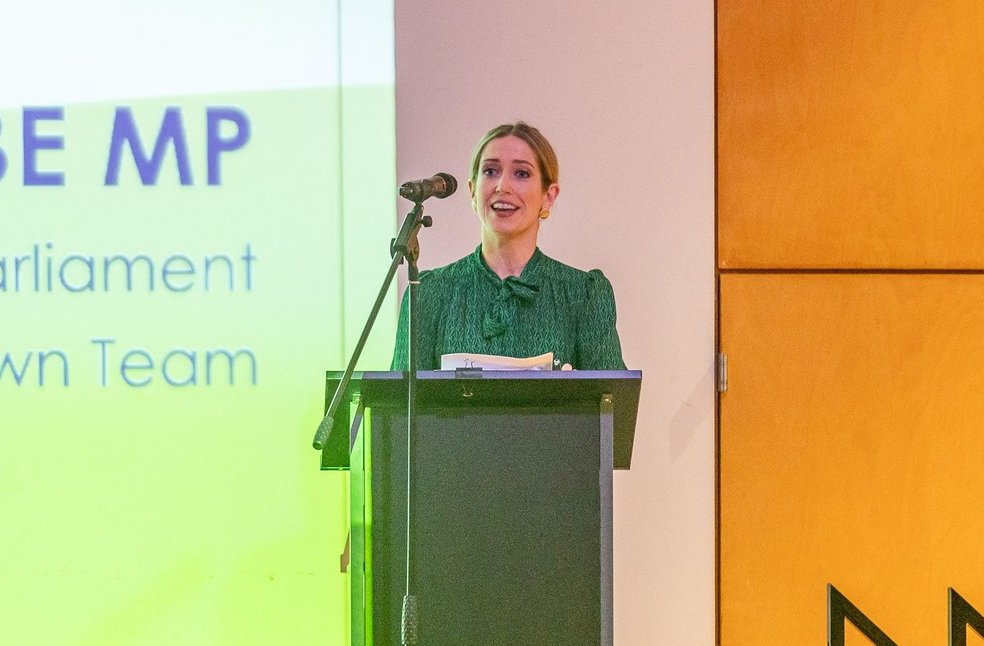
Conservative Shadow Education Secretary Laura Trott criticized the Labour government, claiming it is “failing young people.” She accused Education Secretary Bridget Phillipson of prioritizing “appeasing union leaders to advance her own leadership ambitions” instead of focusing on what is best for students.
Trott further alleged that Labour’s proposed schools bill would dismantle key educational reforms and pledged that the Conservatives would “scrap so-called debt trap degrees, double funding for apprenticeships, and ensure every young person is equipped with the skills needed for the future.”
Together, these reforms mark a sweeping attempt to reshape England and Wales’s post-16 qualification system, placing vocational routes on equal footing with academic ones and aligning education more closely with employment and economic goals.
MOST READ | Galleri blood test detects over 50 types of cancer
