



London: The UK government has announced the creation of a new water ombudsman to address consumer complaints involving water companies, such as leaky pipes, incorrect billing, and other service failures, as part of a wider plan to reform the industry.
The announcement follows widespread public backlash over soaring bills and a sharp increase in sewage discharges into rivers and waterways across the country.
The government said that the new consumer watchdog will act as a single point of contact for customers, bringing the water sector in line with other regulated utilities. It will be given legal powers to protect consumers involved in disputes with their water providers.
Though no specific timeline has been set, the Department for Environment, Food and Rural Affairs (Defra) confirmed the ombudsman would be backed by enforceable authority.
The plan also includes an expanded role for the Consumer Council for Water (CCW), the public body currently responsible for handling water complaints. The announcement comes ahead of a major review by the Water Commission, which may propose significant regulatory reforms in response to growing dissatisfaction with how the sector is managed.
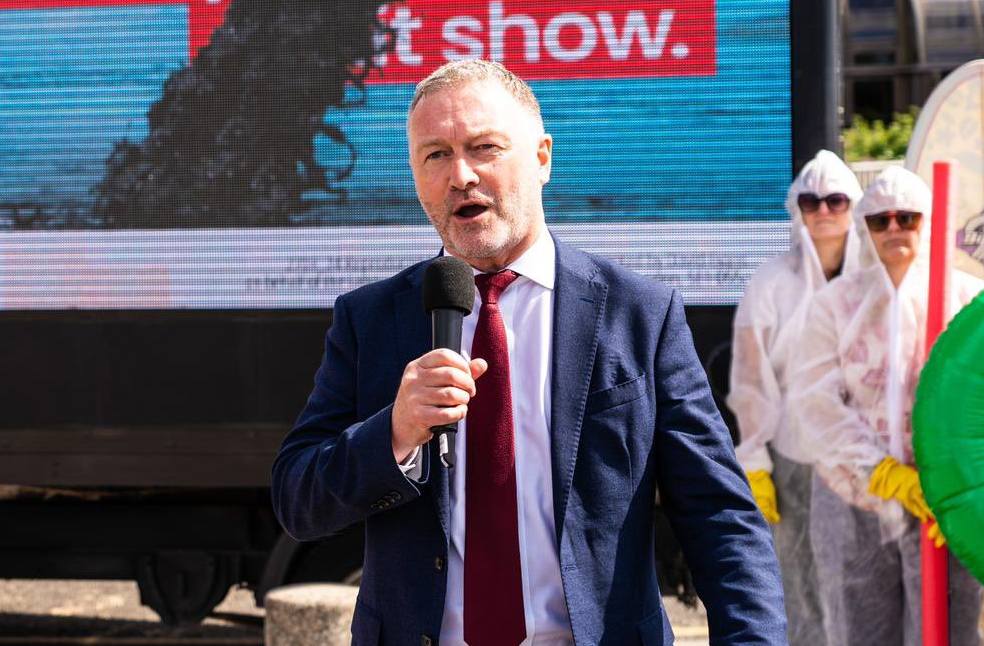
Environment Secretary Steve Reed has taken a firm stance, calling the water sector ‘broken’ and describing its regulator, Ofwat, as ‘clearly failing.’ Reed pledged that, “I want to halve the number of times water firms discharge sewage by 2030,” marking the first time the government has set a clear pollution target for the industry.
The Secretary added that the public could ‘hold [him] accountable’ if there were no improvements in water quality by the next general election. However, Reed declined to confirm whether Ofwat would be abolished entirely, leaving open the possibility that the Water Commission’s review may recommend its replacement.
The plan has drawn mixed reactions. Veteran campaigner and former Undertones frontman Feargal Sharkey, now a prominent voice for clean waterways, warned that the upcoming report could fall short of expectations. Sharkey said that he feared it would be a ‘flat pancake,’ lacking the radical changes needed to fix the crisis.
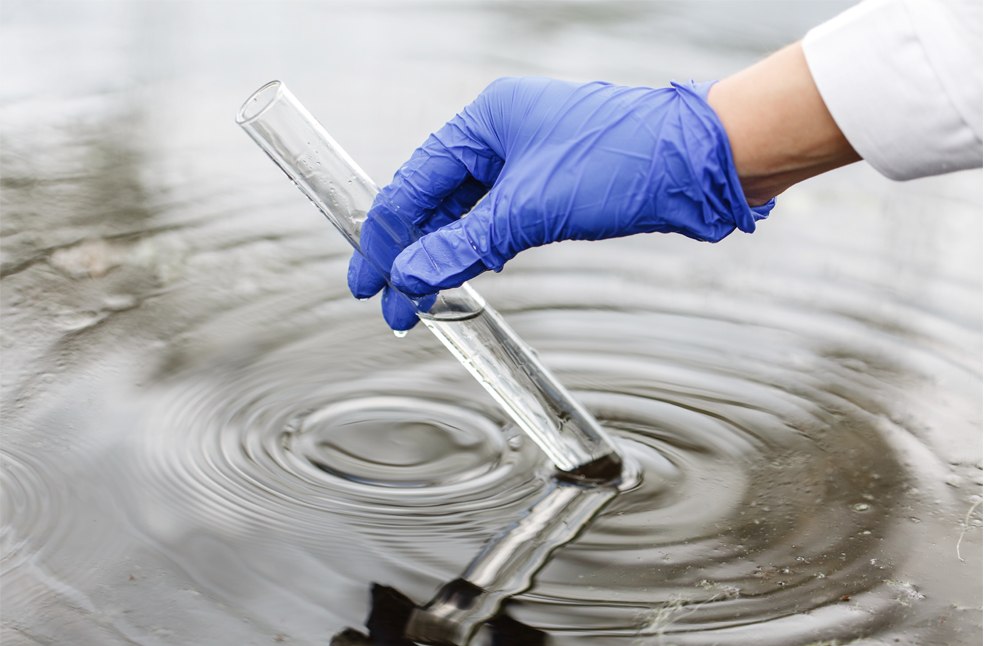
Meanwhile, the state of the UK’s waterways and the role of private water firms have come under intense public scrutiny. The sector is grappling with an ageing infrastructure, rising population pressures, and the increasing impact of climate change. Water companies have been criticised for under-investing in infrastructure, even as they paid out millions to shareholders and executives.
New data from the Environment Agency, showed that sewage discharges into England’s waterways reached a record 2,801 incidents, a number that has added to public outrage. Reed said that he had travelled ‘up and down the country’ and encountered many people who were ‘furious about the state of our water.’
According to a May survey by the CCW, public trust in water providers is falling. Only 35 percent of respondents said they were satisfied with how their water company was protecting the environment.
To address infrastructure concerns, a record £104 billion ($135 billion) is set to be invested in the water sector over the next five years. However, this will result in a sharp increase in consumer bills, with average annual costs rising by £123 ($160). For customers of Southern Water, the increase could be as high as £224 ($290) per year.

In response to the announcement, Shadow Environment Secretary Victoria Atkins voiced cautious support for the water ombudsman but called for greater transparency and systemic reform.
“We all want the water system to improve, and honesty about the scale of the challenge is essential,” Atkins said, urging the government to clarify where the investment will come from and how reforms or a potential overhaul of Ofwat would result in cleaner rivers and lakes.
Liberal Democrat environment spokesperson Tim Farron MP was more critical, stating that, “To effectively tackle the sewage scandal, we need fundamental change, not another layer of bureaucracy.” Still, Farron acknowledged that a new ombudsman could finally provide “a means of redress for consumers who for too long have been forced to foot the bill for failing water companies.”
The government’s decision to create a Water Ombudsman signals a new phase in water sector regulation, though the full scope and impact of reforms will become clearer following the Water Commission’s report.
ALSO READ | Typhoon Wipha triggers No.10 warning; Halts transport in HK
