


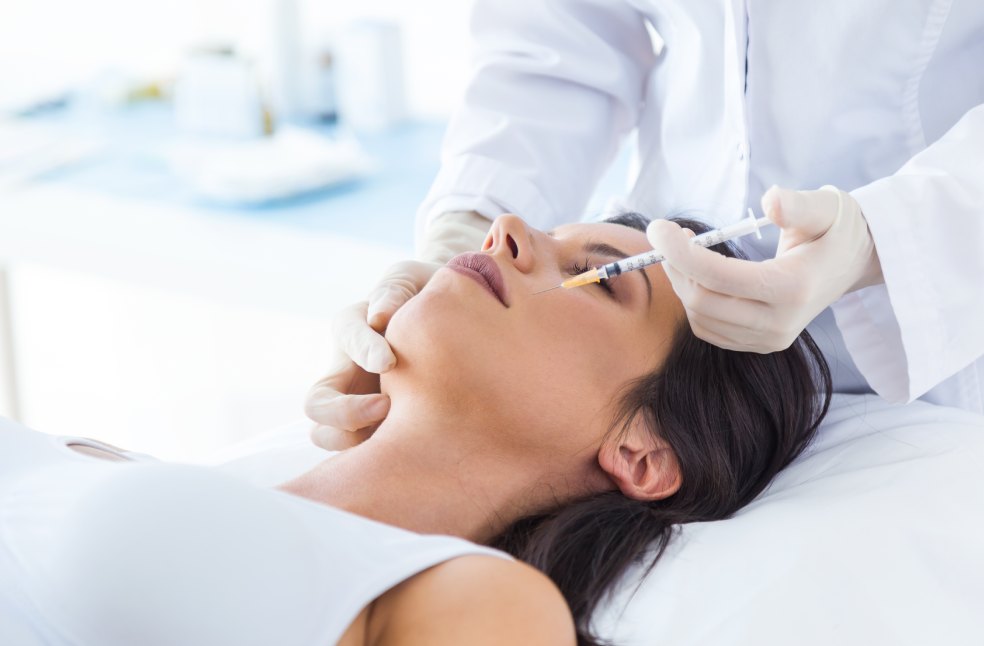
England: The UK government has unveiled a set of proposals aimed at tightening regulation in England’s non-surgical cosmetic practices industry, targeting unqualified practitioners and unsafe treatments that have led to serious health consequences.
Under the new plans, only medically qualified health professionals will be permitted to carry out high-risk procedures such as Brazilian butt lifts (BBLs) and breast fillers. Clinics offering injectable treatments like Botox and dermal fillers will also be subject to a new licensing regime, overseen by local authorities, requiring strict adherence to safety, training, and insurance standards.
Age restrictions will be introduced to shield under-18s from being influenced by potentially dangerous beauty trends circulating on social media. Although the proposals have been broadly welcomed by the industry, they remain in the consultation stage and could take several years to implement. Health Minister Karin Smyth described the sector as a ‘Wild West,’ plagued by ‘cosmetic cowboys causing serious, catastrophic damage.’
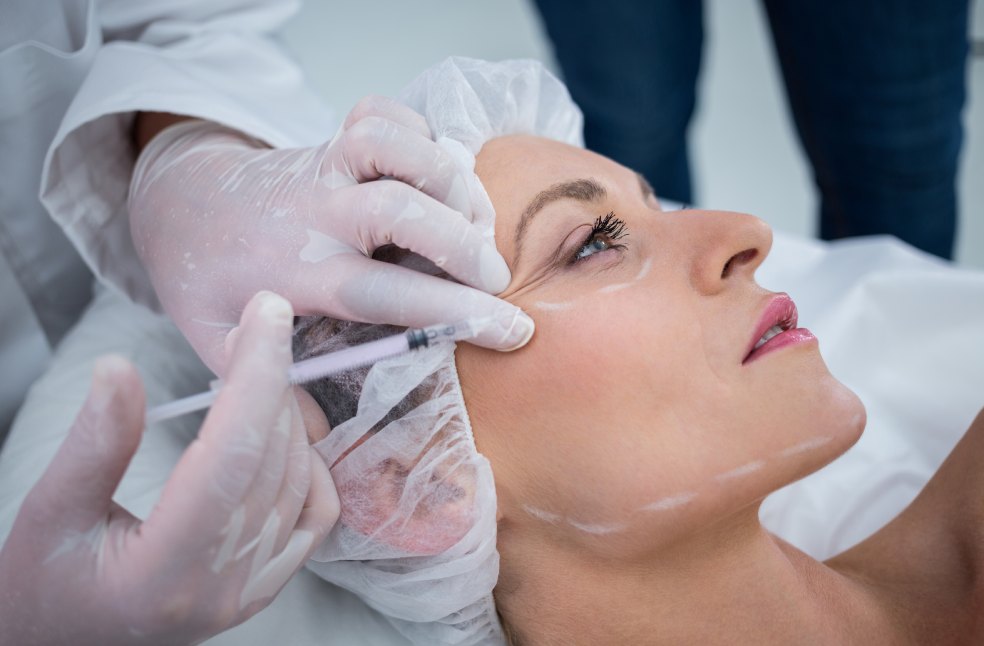
Smyth stated that, “This isn’t about stopping anyone from getting treatments. It’s about preventing rogue operators from exploiting people at the expense of their safety.” The move follows increasing public concern and a wave of serious complications from unregulated procedures, particularly non-surgical BBLs. Despite being marketed as non-invasive, these treatments involve injecting filler into the buttocks, a practice experts say is high-risk and potentially life-threatening.
In September 2024, 26-year-old Alice Webb reportedly became the first person in the UK to die after receiving an unregulated non-surgical BBL, bringing renewed scrutiny to the lack of oversight in the industry. A public consultation held in 2023 revealed strong support for stricter rules. Health officials are also investigating 38 cases of poisoning linked to suspected counterfeit Botox treatments.
The new rules would prioritise regulation of the most dangerous procedures, followed by broader changes to lower-risk treatments. The government says the measures will help reduce the burden on the NHS caused by botched cosmetic treatments, while protecting consumers and supporting qualified practitioners.
Industry bodies have voiced their backing for the changes. Ashton Collins, director of Save Face, said she had witnessed the ‘devastating impact’ of these procedures. Prof. David Sines, executive chair of the Joint Council for Cosmetic Practitioners (JCCP), also welcomed the proposals, stating that it was imperative all practitioners be licensed, insured, and working from safe premises.
Currently, the non-surgical cosmetic sector in the UK is estimated to comprise around 16,000 businesses and continues to grow rapidly. In response to similar concerns, the Scottish government recently announced plans to raise safety and professional standards following its own consultation process.
Health officials continue to urge the public to only seek treatments from registered, qualified practitioners using products licensed for use in England.
TRENDING | United Airlines grounds mainline flights over technology issue
