


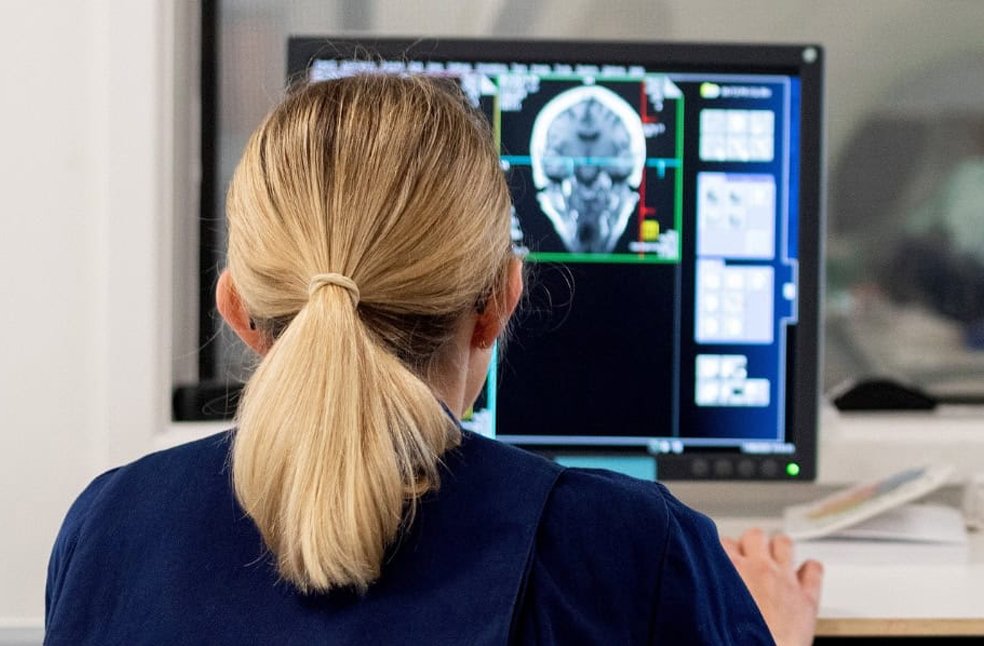
London: Scientists expect to gain unprecedented insight into human ageing and the early onset of diseases following the completion of the world’s largest whole-body imaging project, which scanned 100,000 individuals from head to toe.
The decade-long initiative, led by UK Biobank, now makes available to qualified researchers worldwide over 1 billion de-identified images covering the hearts, brains, abdomens, blood vessels, bones, and joints of volunteers. These are supplemented with detailed medical histories, genetic profiles, and lifestyle data.
The data has already contributed to breakthroughs. Subsets of the images have helped researchers uncover how the heart can influence psychiatric disorders, confirmed that scans can predict dozens of diseases, and suggested that “no amount of alcohol consumption is healthy.”
Naomi Allen, Chief Scientist at UK Biobank, said that, “Researchers now have an incredible window into the body. For the first time, researchers can study how we age and how diseases develop in stunning detail and at a massive scale. We hope that the findings … will change the way the world detects and treats disease before people get sick.”
Each volunteer contributed roughly 12,000 high-resolution images that reveal the size, shape, and structure of the brain, heart, bones, and other organs, as well as measurements of bone density and body fat. Ultrasound imaging of neck arteries was also conducted to detect blockages or narrowing that elevate stroke risk.
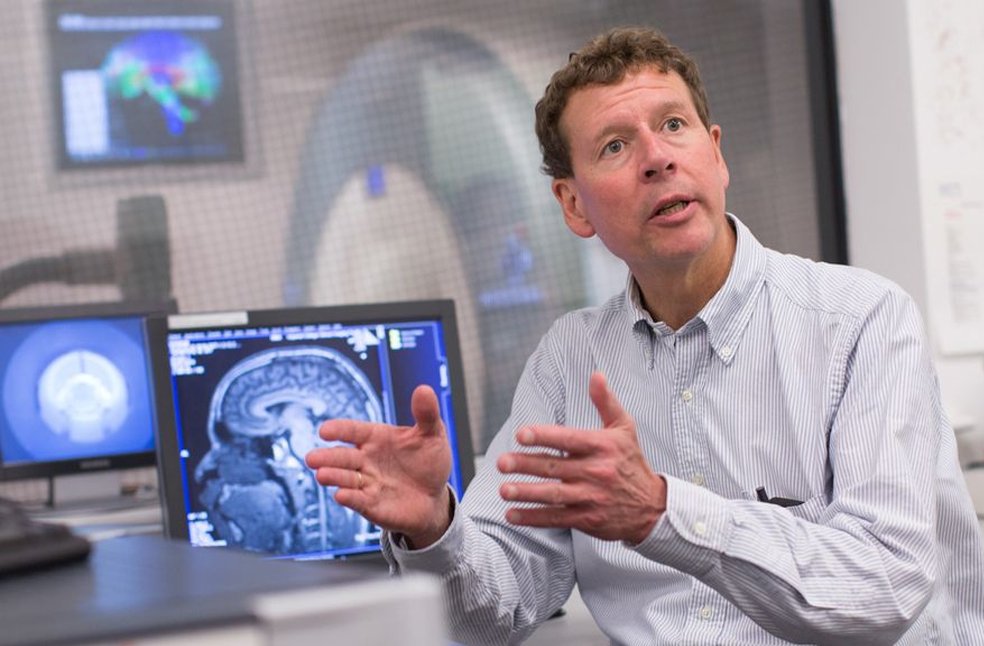
Paul Matthews, Chair of the UK Biobank Imaging Group and professor of neuroscience at Imperial College London, said that the level of detail is extraordinary. Matthews explained that these scans reveal changes as small as a teaspoon of water in brain volume, only a few tenths of a percent of the total brain size. The technique is already being trialed within the NHS.
The impact of alcohol on brain health is also becoming clearer. Matthews noted that “consuming one to two units of alcohol per day was associated with changes in brain size and structure, potentially contributing to memory loss and dementia. Unfortunately, there is no perfectly safe level and certainly no benefit to the brain from just a glass of wine a day.”
Body Imaging and BMI
The body imaging project has also challenged the long-standing reliance on body mass index (BMI) to predict risk for conditions like diabetes and heart disease. Abdominal scans showed that even with similar BMI and waist size, individuals can have vastly different internal fat distributions that affect heart disease risk. The initiative is entering its next phase, with 60,000 of the original volunteers undergoing a second round of scans to track changes in their bodies over time.
Professor Louise Thomas from the University of Westminster, who studies metabolic imaging, examined scans taken two years apart. Muscle tissue also became fatter with age. “As we get older, we become more and more marbled. We’re becoming wagyu beef,” the Professor added.
These medical advances are already influencing healthcare practices. One of Thomas’s colleagues used the body imaging to automate the detection of aneurysms, dangerous bulges in blood vessel walls. While men are routinely screened, women typically are not, despite the condition being more serious in women. Prof Thomas remarked that, “We can do lots of things we weren’t able to do before. It’s quite extraordinary.”
The comprehensive scope of the UK Biobank body imaging project is expected to revolutionize disease detection and prevention, inform NHS procedures, and reshape our understanding of ageing and health.
ALSO READ | Wildfire destroys historic Grand Canyon Lodge and 80 structures
