


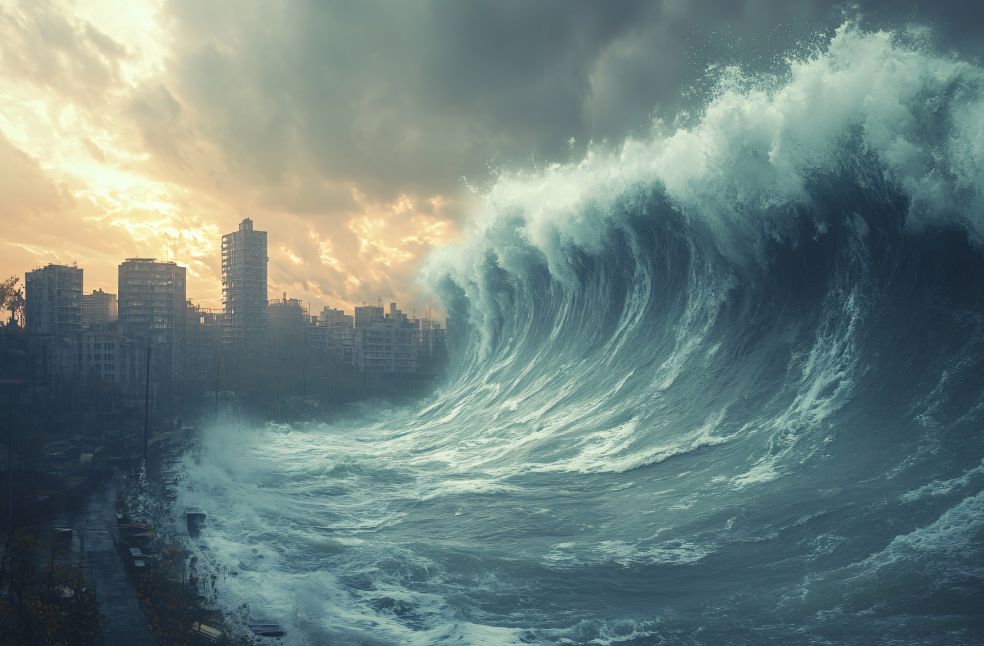
Kamchatka: Russian authorities have cancelled tsunami warning issued for the Kamchatka Peninsula after a strong earthquake struck near the Kuril Islands on August 3.
The magnitude 7.0 earthquake, confirmed by both Russia’s Ministry for Emergency Services and the US Geological Survey, had earlier triggered safety alerts along the coastline, urging residents to stay clear of the shore. However, wave heights were later assessed as minimal, prompting the cancellation.
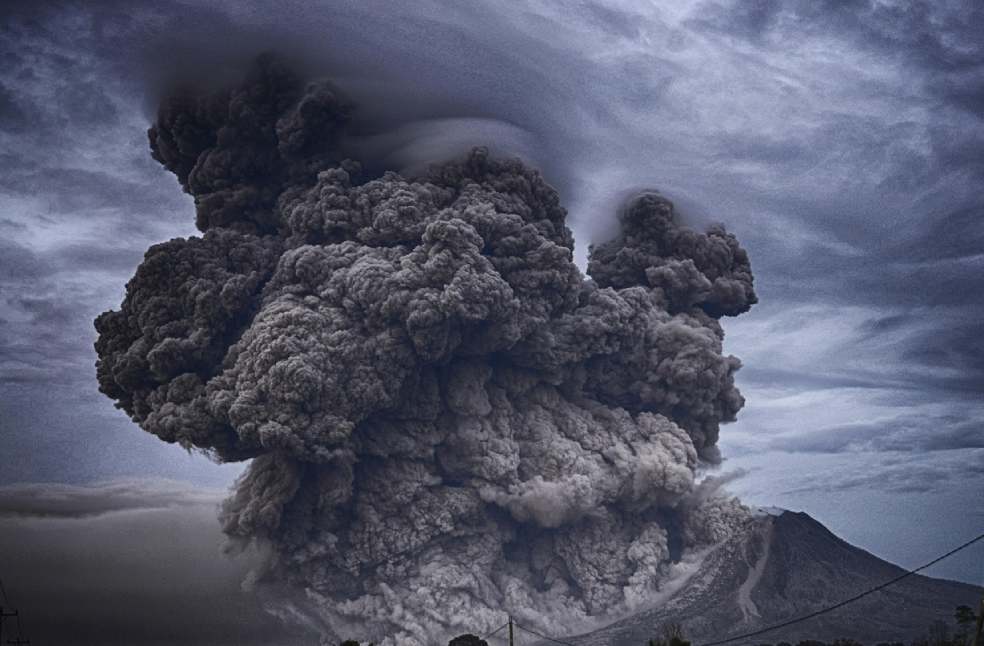
The seismic activity has been linked to another rare geological event: the eruption of the long-dormant Krasheninnikov Volcano. According to Russian scientists, this marks the first confirmed eruption in over 600 years. Olga Girina, head of the Kamchatka Volcanic Eruption Response Team, stated that the last known lava flow occurred within 40 years of 1463, with no activity recorded since then.
The eruption has produced an ash plume reaching approximately 6,000 meters (3.7 miles) into the atmosphere, prompting authorities to issue an orange aviation code, a level that indicates a heightened risk to aircraft due to volcanic ash. Fortunately, the plume has been drifting eastward over the Pacific Ocean, away from any populated areas.
This sequence of geological events follows a major earthquake in Russia’s Far East last week, which triggered tsunami warnings as distant as French Polynesia and Chile. That event was also accompanied by an eruption of Kamchatka’s most active volcano, Klyuchevskoy. Scientists had warned at the time that the region could experience strong aftershocks in the coming weeks.
The Kuril Islands, where the earthquake struck, form a chain stretching from the southern tip of Kamchatka down towards Japan. The area is part of the Pacific Ring of Fire, a seismically active zone known for frequent volcanic and tectonic activity that often leads to tsunami warnings across the Pacific region.
MOST READ | Colombian ex-president Uribe sentenced to house arrest
