


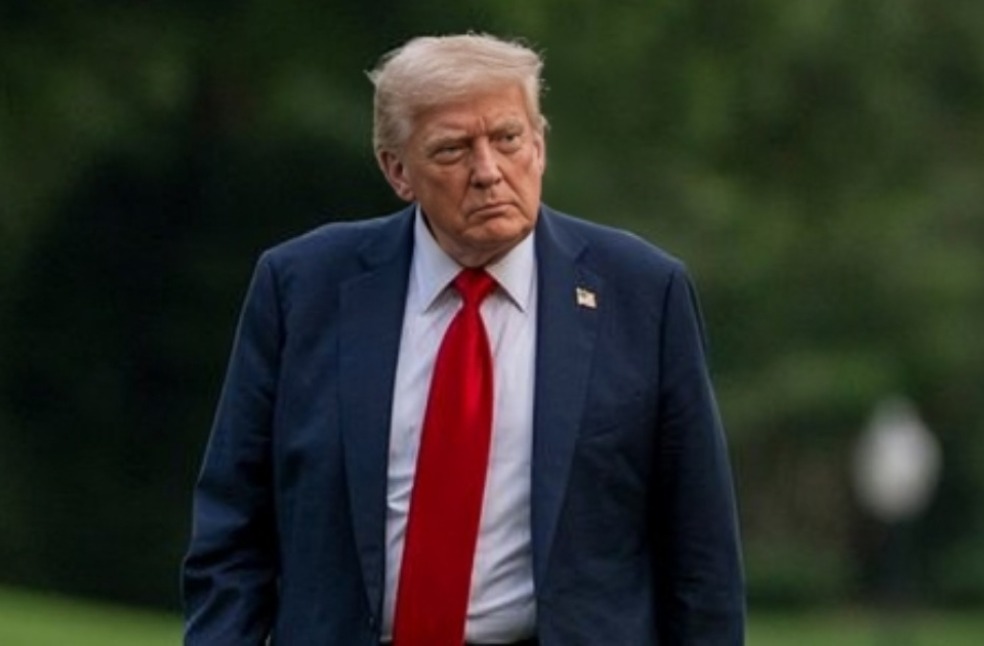
New Delhi: The United States has implemented a 50 percent tariff on Indian goods, weeks after President Donald Trump issued an executive order adding a 25 percent penalty over India’s purchases of Russian oil and weapons.
This development, driven by the new 50 percent tariff, makes India one of the countries facing the highest US tariffs globally, potentially dealing a substantial blow to exports and growth in the world’s fifth-largest economy.
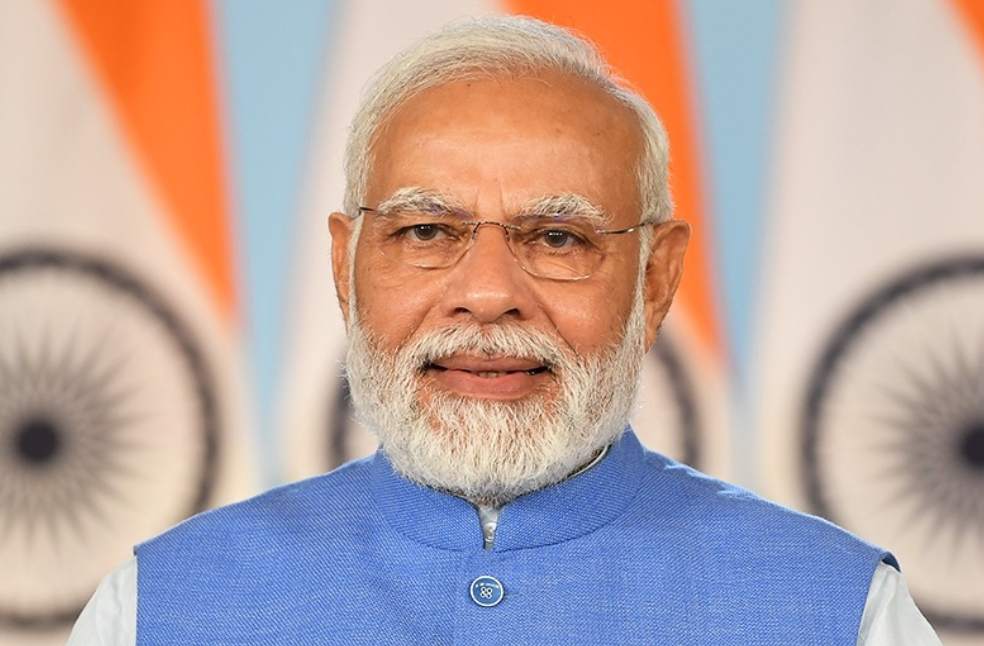
The 50 percent tariff implementation has prompted the Indian government to adopt urgent measures to mitigate the impact. Prime Minister Narendra Modi has responded by advocating for self-reliance and domestic economic strengthening. During Independence Day celebrations, Modi urged businesses to embrace ‘Swadeshi’ or ‘Made in India’ initiatives, emphasizing pride in self-sufficiency rather than desperation in the face of these significant trade challenges.
Modi stated that, “We should become self-reliant – not out of desperation, but out of pride. Economic selfishness is on the rise globally and we mustn’t sit and cry about our difficulties, we must rise above and not allow others to hold us in their clutches.”
The tariff situation is particularly challenging for India’s export-driven industries that supply various products to American consumers, from textiles and diamonds to seafood. Despite years of government subsidies and production incentives, manufacturing’s share of India’s GDP has stagnated at around 15 percent.
In response to the economic pressure, Modi’s administration is pursuing significant tax reforms, including a simplification of the goods and services tax (GST) system. This follows a $12 billion income tax reduction announced in this year’s budget. Analysts from Jefferies estimate that the GST reforms could be worth approximately $20 billion and provide a meaningful boost to consumption.
Private consumption contributes nearly 60 percent to India’s GDP, making these measures crucial for maintaining economic momentum. Morgan Stanley analysts noted that the fiscal stimulus should help ensure consumption recovery amid global geopolitical tensions and adverse tariff developments.
The economic measures have received positive responses from financial markets, and India recently received a sovereign rating upgrade from S&P Global after an 18-year gap. However, trade negotiations between India and the United States have been called off, and the 50 percent tariff rate represents what experts describe as effectively a sanction on trade between the world’s largest and fastest-growing economies.
MOST READ | Trump threatens new tariffs over digital tax policies
