


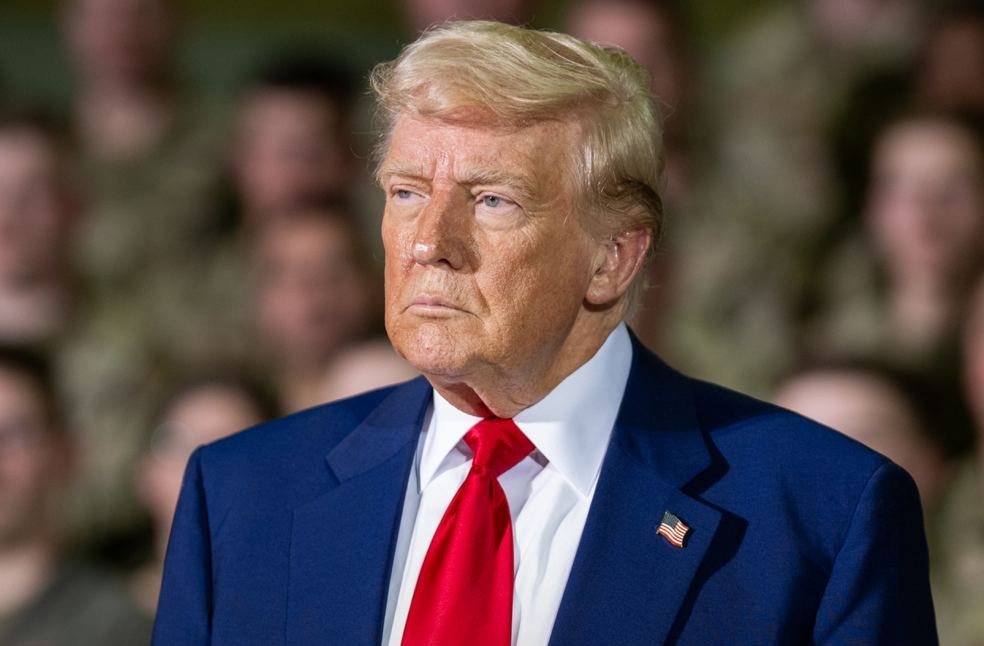
Washington: Donald Trump has stated that any nation involved in trafficking illegal drugs into the United States could be targeted with military action, expanding his administration’s position on the use of force.
The comment has followed a period in which US forces have carried out missile strikes on boats suspected of drug smuggling operations in the Caribbean and Pacific regions.
The statement from Trump has included explicit criticism of Colombia, with the president alleging that cocaine manufactured in the country ends up in the US market. Colombian President Gustavo Petro has responded by asserting that Colombian authorities destroy a drug-producing laboratory every 40 minutes, arguing that the nation fights narcotics production without resorting to missile strikes.
US military activity near the Caribbean has intensified in recent months, coinciding with heightened tension between the Trump administration and Venezuelan President Nicolas Maduro. US officials allege that Venezuelan leadership is linked to drug shipments that have harmed American communities, an accusation Maduro has rejected. Trump has said that potential action against any country sending drugs into the United States would not be limited to Venezuela.
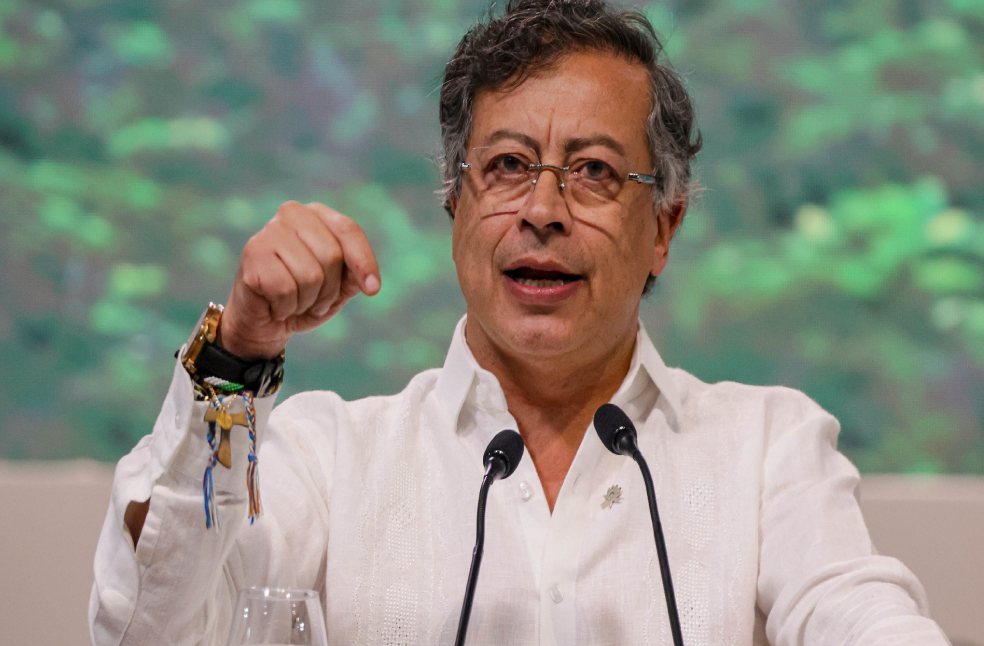
Petro, who has been sanctioned personally by the US administration, has urged cooperation rather than confrontation. In public remarks, Petro has invited the United States to participate in anti-drug operations in Colombia while stressing that Colombian sovereignty must be respected. Petro has warned that any threat against national sovereignty would be viewed as an act of war.
The administration’s approach has come as drug-related violence and trafficking networks across Latin America continue to cause widespread concern. US officials argue that stronger action is required to disrupt smuggling routes that move narcotics toward American borders. Critics warn that the president’s stance risks escalating tensions with regional partners who are also battling entrenched criminal networks.
The World Health Organization and international observers have noted that drug-related conflicts in producing regions often intensify when state authorities face political pressure or when economic conditions undermine law enforcement capacity. Analysts say the dynamic between Washington, Bogotá and Caracas may influence broader regional cooperation on drug control strategies.
As debates intensify, questions remain about how far the administration is willing to go and whether diplomatic or military options will dominate future policy decisions.
ALSO READ | Cuba reports rising deaths as mosquito epidemic spreads
