


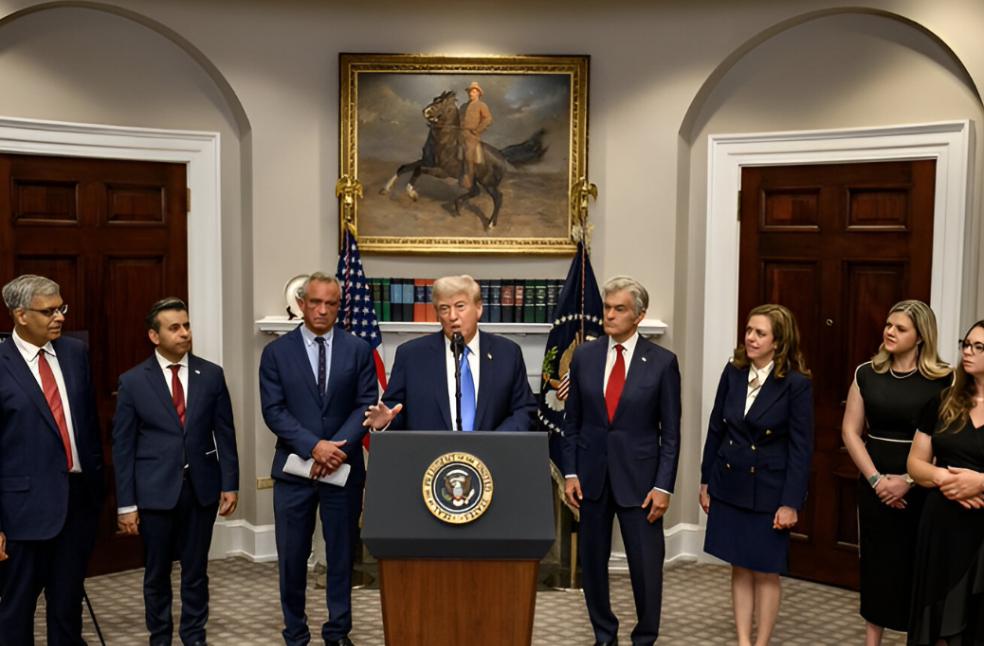
Washington, D.C.: United States President Donald Trump has urged pregnant women to avoid taking Tylenol, the widely used painkiller known generically as paracetamol or acetaminophen, citing unproven links to autism.
The comments, made during a White House news conference, prompted swift criticism from doctors and scientists. Trump remarked that, “Don’t take Tylenol. Don’t take it. Fight like hell not to take it. There may be a point where you have to, and that you’ll have to work out with yourself.”
Trump also cast doubt on the medical consensus around childhood vaccinations, suggesting that measles, mumps, and rubella inoculations should be given separately instead of the combined MMR vaccine. Trump stated that, “This is based on what I feel. The mumps, measles – the three should be taken separately. And it seems to be that when you mix them, there could be a problem.”
Today the @US_FDA will issue a physician’s notice about the risks of acetaminophen during pregnancy and begin the process to initiate a safety label change. pic.twitter.com/XrYc8RLZlo
— Secretary Kennedy (@SecKennedy) September 22, 2025
The remarks drew immediate condemnation from medical bodies, including the American Academy of Pediatrics and the American College of Obstetrics and Gynecology (ACOG). Both organisations have long recommended paracetamol as one of the few painkillers considered safe during pregnancy.
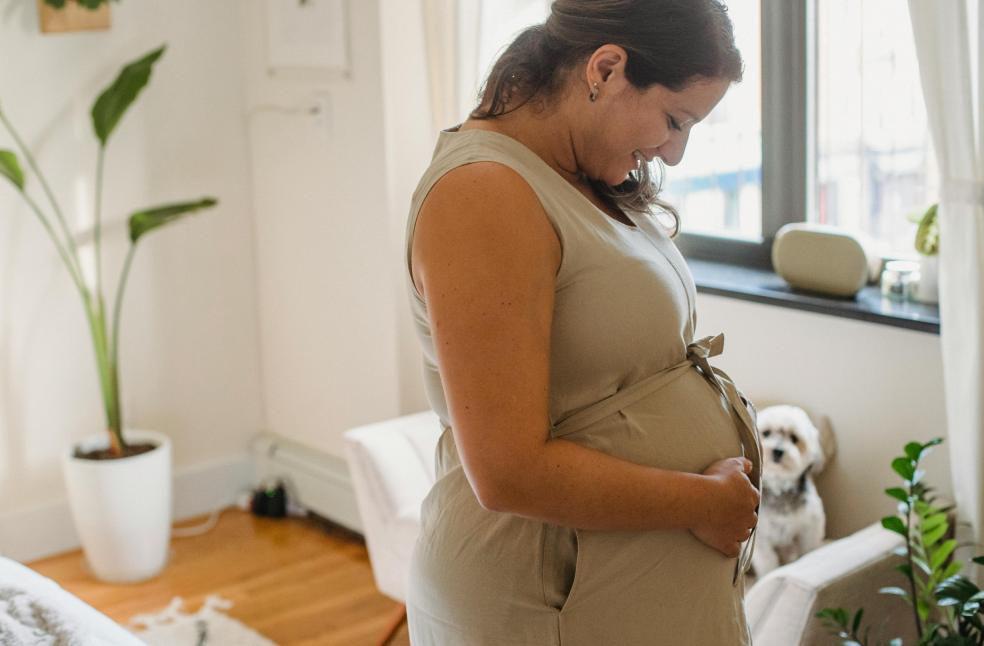
About half of pregnant women worldwide are estimated to use paracetamol sold under brand names such as Tylenol, Panadol, and Panamax for pain relief and to reduce potentially dangerous fevers. ACOG president Steven J. Fleischman called Trump’s claims ‘irresponsible.’
Fleischman noted that, “When considering the use of medication in pregnancy, it’s important to weigh all potential risks alongside benefits. The data from numerous studies show that acetaminophen plays an important and safe role in the well-being of pregnant women.”
While some research has suggested an association between paracetamol use and neurological conditions such as autism, experts have stressed that causation has not been proven. A major population-based study published last year in The Journal of the American Medical Association found no link when comparing children exposed to the drug with their unexposed siblings.
Arthur Caplan, bioethicist at NYU Grossman School of Medicine, described the administration’s statements as ‘hugely negative for public health.’
Catherine Lord, psychiatry professor at UCLA and an autism specialist, noted that studies suggesting a connection were limited by confounding factors. Lord stated that, “The medical community will be firm that Tylenol in pregnancy does not cause autism, but pregnant women should always be careful about medication. At the same time, high fever or severe pain can also be dangerous for a growing baby, so consultation with a doctor is essential.”
The US Food and Drug Administration (FDA) recently updated its guidelines to include evidence of a correlation between paracetamol use and autism, highlighting studies suggesting higher risk when the drug is taken chronically throughout pregnancy. However, the agency stopped short of establishing a causal relationship, citing the presence of contrary research and emphasising that acetaminophen remains the only over-the-counter medication approved to treat fevers in pregnant women.
Autism is widely understood to result from a combination of genetic and environmental factors, with no single cause identified, according to the American Academy of Pediatrics.
TOP PICKS | Nvidia to invest $100bn in OpenAI to boost next-generation AI infrastructure
