


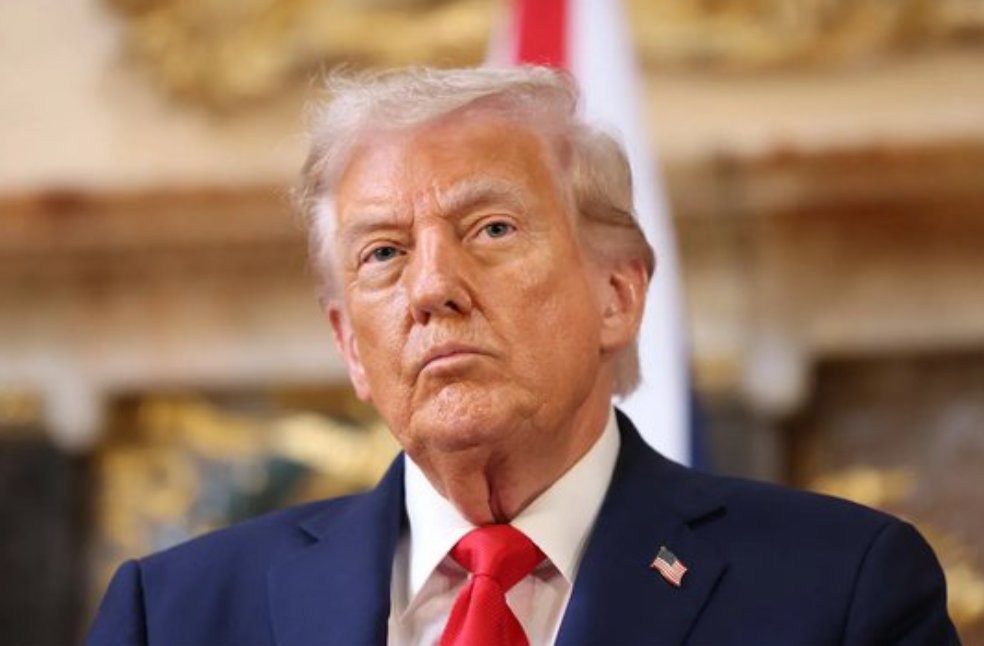
Washington: US President Donald Trump has said that an additional 100 percent tariff will be imposed on imports from China from next month.
The announcement has added to tensions between the two largest economies as both sides harden their positions on trade and technology.
Trump has also confirmed that the United States will introduce export controls on critical software. The decision follows China’s move to tighten rules for rare earth exports, a sector in which Beijing dominates global production. These materials are essential for manufacturing vehicles, smartphones, and advanced electronics.
"It is impossible to believe that China would have taken such an action, but they have, and the rest is History. Thank you for your attention to this matter!" – President Donald J. Trump pic.twitter.com/Kx6deI2voC
— The White House (@WhiteHouse) October 10, 2025
Trump has accused China of becoming hostile and attempting to hold global markets captive. Financial markets have reacted negatively, with the S&P 500 closing 2.7 percent lower, marking its sharpest single-day decline since April.
The White House statement has come shortly after Beijing announced a monopoly investigation into US technology firm Qualcomm, which could delay its planned acquisition of another semiconductor company. Although Qualcomm is based in the United States, a large portion of its business relies on operations in China.
In addition to export restrictions, Beijing has said it will impose new port fees on ships with links to the United States, including vessels owned or operated by American companies. These measures have been viewed as part of China’s broader response to escalating trade pressure from Washington.
Earlier this year, when Trump raised tariffs on Chinese goods, many US firms dependent on rare earth materials were adversely affected. Carmaker Ford was even forced to temporarily pause production.
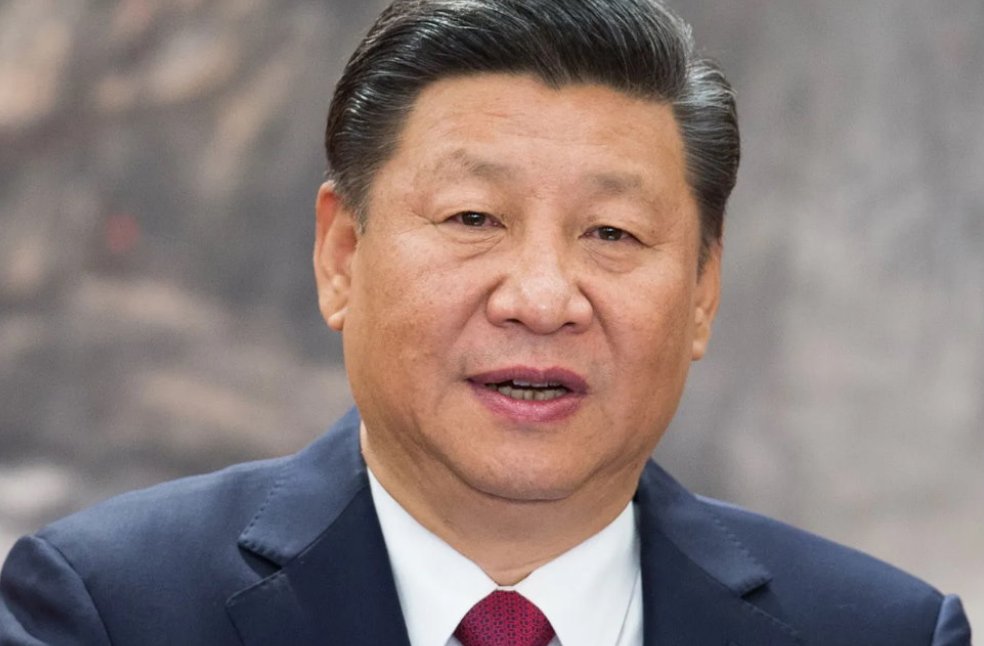
Trade analysts have noted that Beijing’s new rules on rare earth exports are strategically significant. Gracelin Baskaran, director of the Critical Minerals Security Program at the Center for Strategic and International Studies, said that the new measures target overseas defence manufacturers, making them particularly sensitive. Baskaran said that the United States may need to negotiate, as options are limited amid rising geopolitical tension.
China expert Jonathan Czin from the Brookings Institution has said that Xi’s recent actions appear to be aimed at gaining leverage ahead of the talks. Czin added that Beijing believes it can endure trade pressure better than Washington.
The United States and China have been in a fragile trade détente since May, when both sides agreed to roll back high tariffs imposed earlier. Despite this, US goods entering China still face a 10 percent tariff, while Chinese imports into the United States carry an additional 30 percent levy compared to the beginning of the year.
POPULAR | Starmer holds talks with Modi on first official India visit
