


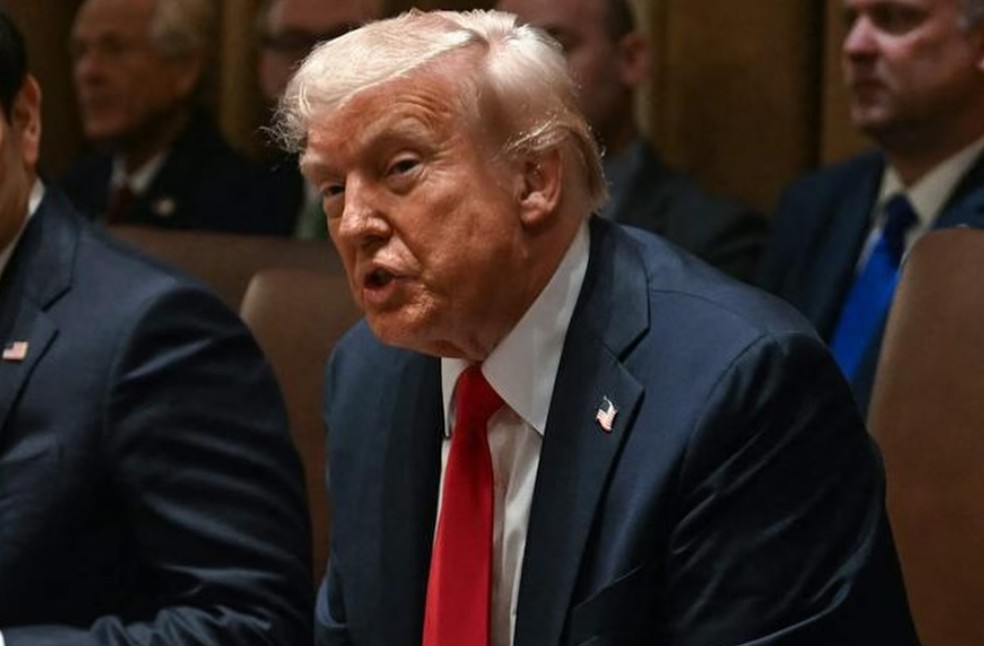
Washington: US President Donald Trump has raised Trump Canada tariffs by an additional 10 percent, citing an advertisement aired by Ontario during the World Series as misleading.
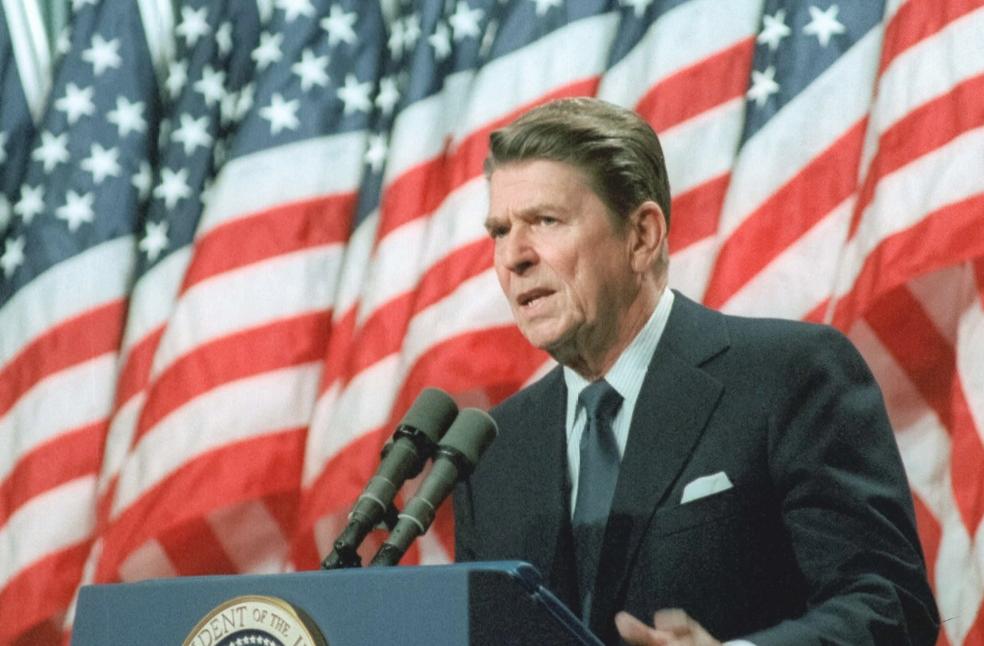
The ad, featuring former President Ronald Reagan discussing the risks of tariffs, ran on October 24 and prompted Trump to respond while aboard Air Force One en route to Malaysia.
Trump ended trade talks with Ottawa on October 23 over the ad, which he described as fraudulent and hostile. Ontario Premier Doug Ford said the province would pause the campaign on October 20 after discussions with Canadian Prime Minister Mark Carney to allow trade talks to resume.
The advertisement included clips from Reagan’s weekly address, highlighting trade risks and economic consequences of tariffs. However, the ad selectively used sentences out of context, omitting that Reagan considered Japan’s tariffs an exception rather than a policy standard.
Most Canadian exports to the US remain exempt under the United States-Mexico-Canada Agreement (USMCA), although the Trump administration imposed a 35 percent tariff on goods outside the agreement earlier this year. Canada’s retaliatory tariffs on US imports, reduced by Carney, have not resolved ongoing tensions.
Trump and Carney are both attending the Association of Southeast Asian Nations summit in Malaysia, though Trump has indicated no plans to meet with the Canadian leader. The US Commerce Department, White House, and Canadian prime minister’s office have not commented further on the specific goods affected by the new tariffs.
Trump Canada tariffs are expected to increase economic friction, highlighting challenges in bilateral trade negotiations. Analysts note that the dispute reflects broader concerns over misrepresentation, trade policy enforcement, and sector-specific tariffs on steel and aluminum.
The ad’s airing during a high-profile sports event has amplified scrutiny of Canada-US trade relations, while Trump Canada tariffs remain a key element in the administration’s strategy to pressure Ottawa on perceived trade imbalances and policy disputes.
TOP PICKS | Ukraine allies agree to remove Russian oil, gas from markets
