


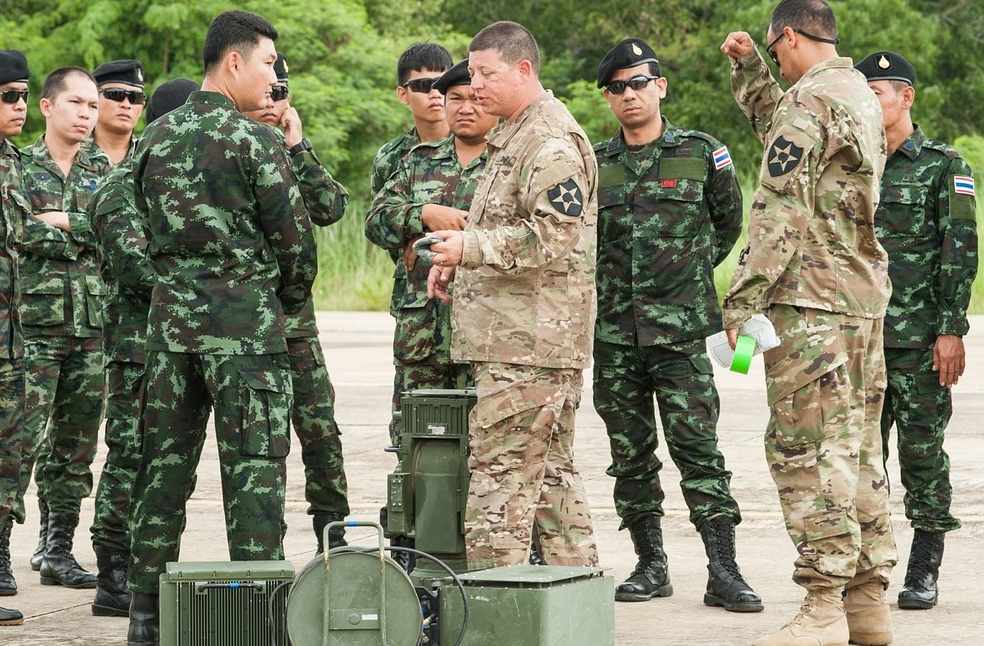
Chicago: US President Donald Trump has authorized the deployment of the National Guard to the US-Mexico border, a move aimed at bolstering federal and state law enforcement efforts to curb illegal immigration.
The decision comes amid growing reports of migrant surges and mounting political pressure to tighten border control.
According to White House sources, the directive allows governors to request National Guard assistance in high-traffic border zones. These units are expected to assist Border Patrol officers with surveillance, logistics, and infrastructure support but will not directly engage in law enforcement activities.
Critics, however, have expressed concern that militarizing the border could heighten tensions and worsen humanitarian conditions for asylum seekers. Immigration advocacy groups have warned that the deployment may lead to fear among migrants and disrupt legitimate asylum processes.
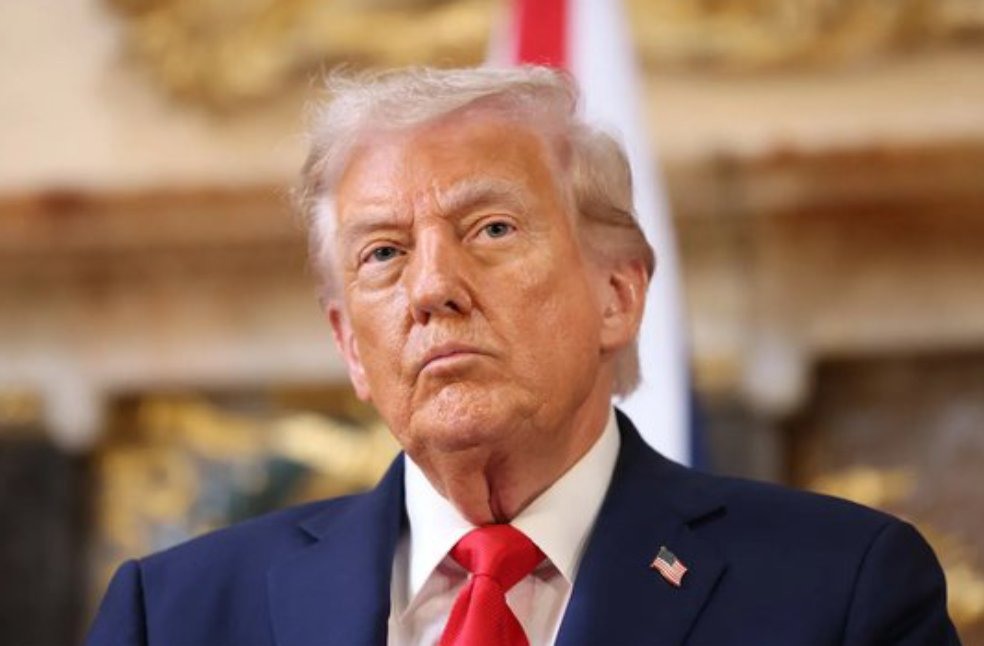
Lawmakers from border states have offered mixed reactions. While Republican governors praised the move as a necessary step to relieve overwhelmed local agencies, several Democrats criticized it as a politically motivated gesture that fails to address the root causes of migration.
This is not the first time the National Guard has been deployed to the southern border. Similar actions were taken under previous administrations, including Presidents George W. Bush and Barack Obama, though each emphasized distinct goals ranging from security enhancement to logistical support
The Trump National Guard deployment underscores the administration’s determination to confront illegal immigration through visible and forceful action. Yet, it also raises questions about cost, long-term impact, and coordination between federal and state authorities.
For now, the Pentagon has confirmed that coordination meetings are underway to determine the scale, duration, and specific roles of the Guard units. Border communities are preparing for increased military presence as officials emphasize that the operation’s primary goal is to enhance surveillance and deterrence, not confrontation.
MOST READ | California ride-hailing drivers gain right to unionise under new law
