


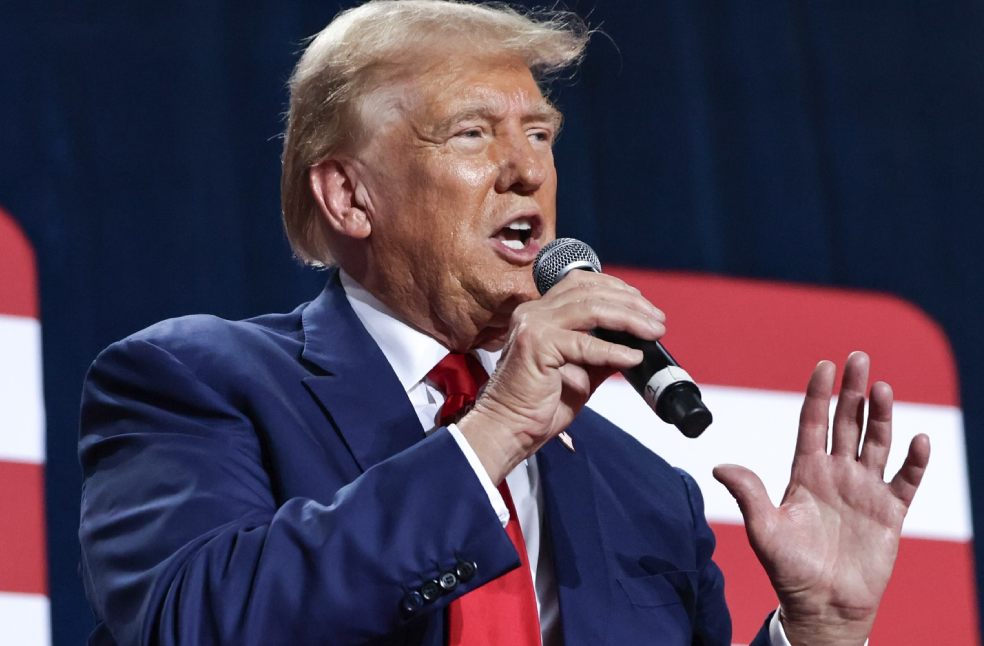
Washington: Trump Gaza ceasefire has played a decisive role in ending immediate hostilities and securing a hostage exchange between Israel and Hamas.
Donald Trump’s quick visits to Israel and Egypt have resulted in an agreement that brought temporary relief, though the deal is not a comprehensive peace settlement. The ceasefire and hostage exchange were facilitated by Qatar, Turkey and Egypt, but Trump’s insistence that Israeli Prime Minister Benjamin Netanyahu accept previously rejected terms was crucial in finalising the deal.
The next stage of Trump’s proposed 20-point plan involves filling gaps in the framework, including demilitarising and securing the Gaza Strip under governance by a committee of Palestinians reporting to a Board of Peace chaired by Trump. Detailed arrangements are yet to be negotiated, and diplomats caution that the success of these measures will require considerable time and political will, which currently appears limited.
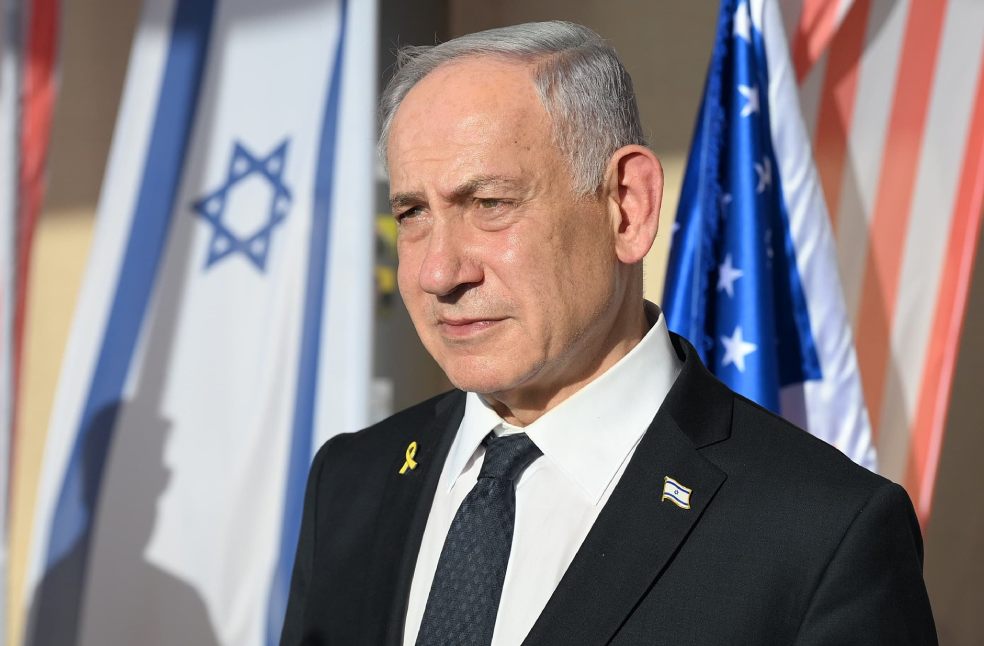
Ceasefires are prone to early violations, and cracks in the Gaza agreement have already emerged. Hamas has so far returned only seven of the 28 hostages who died during captivity, citing difficulty in locating bodies amidst the rubble caused by Israeli operations. Israel has responded by halving the flow of aid to Gaza and keeping the Rafah border crossing with Egypt closed until Hamas meets its obligations.
Trump’s approach has emphasised American interests over those of Israel, contrasting with President Joe Biden’s willingness to prioritise support for Israel even at some cost to US regional influence. Diplomats note that Trump’s involvement ensured swift action to end hostilities and arrange the exchange, yet acknowledge that maintaining the ceasefire and advancing towards lasting peace remains complex.
Analysts have described the Gaza agreement as a temporary resolution to the conflict rather than a strategic roadmap. Without cooperation from both sides and the underlying political commitment, experts warn that the ceasefire could collapse, potentially reigniting hostilities. Israel’s extremist ultranationalist Finance Minister, Bezalel Smotrich, has criticised the deal, asserting that military pressure is the only way to ensure the return of hostages.
MOST READ | Trump aims to ease trade rift with Xi during South Korea meet
