


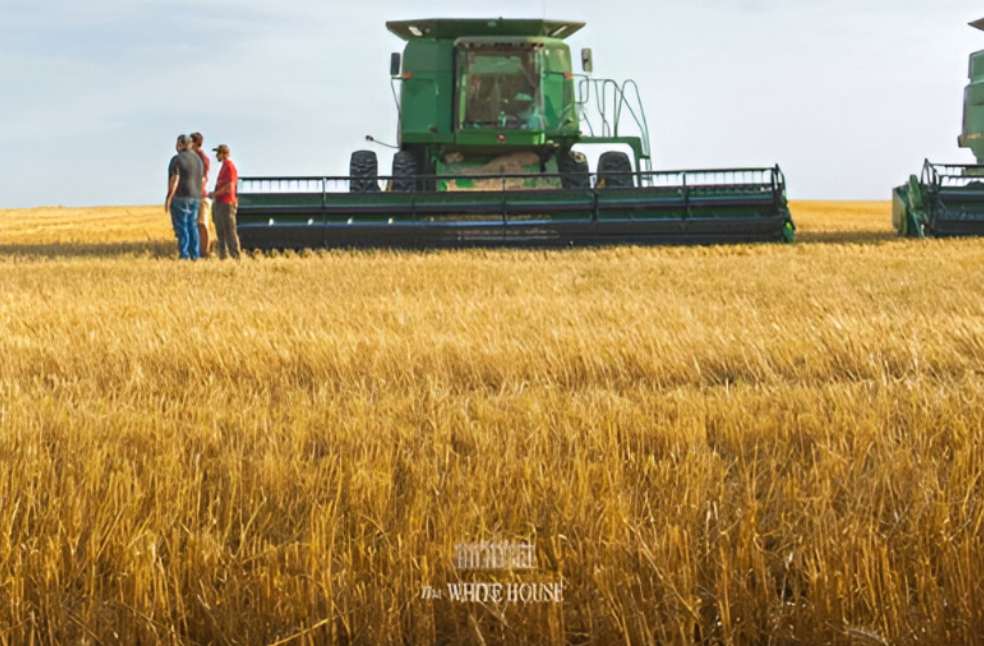
Washington: US President Donald Trump has announced a $12 billion farm aid package to support American farmers grappling with depressed crop prices and the ongoing fallout from trade disputes, particularly with China.
The initiative, revealed during an event at the White House, is designed to provide short-term relief as the administration works to stabilise agricultural markets. According to the White House, $11 billion of the package will fund one-time payments for row crop farmers under the Agriculture Department’s Farmer Bridge Assistance programme, while another $1 billion will be held for speciality crops not covered by the main initiative.
WE ❤️OUR FARMERS 🚜
“I’m delighted to announce this afternoon that the United States will be taking a small portion of the hundreds of billions of dollars we receive in tariffs… We’re going to use that money to provide $12B in economic assistance to American farmers.” @POTUS pic.twitter.com/yLDQ8DNot4
— The White House (@WhiteHouse) December 8, 2025
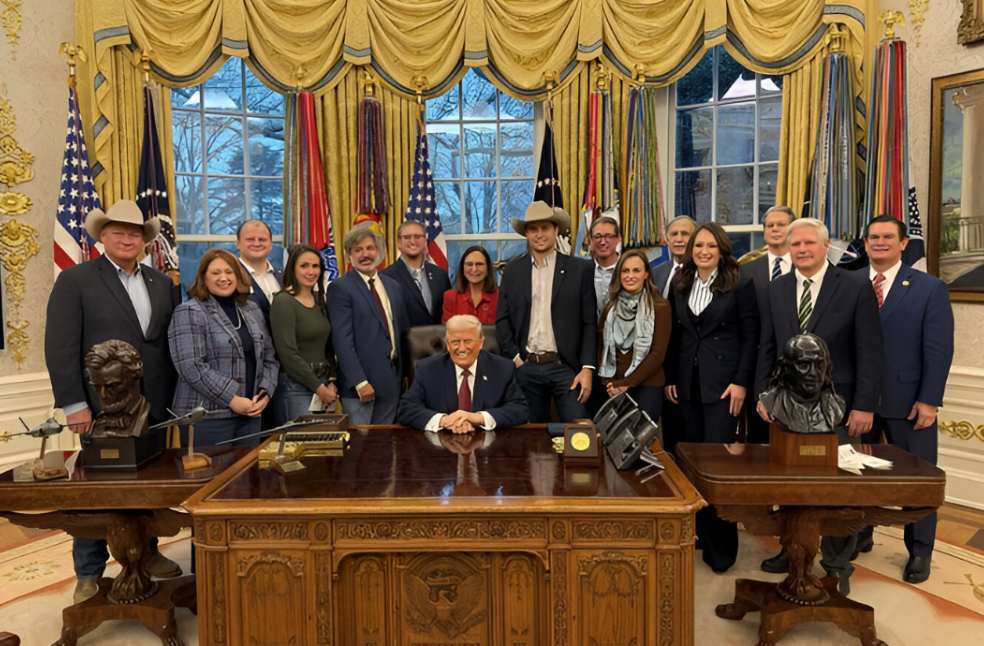
Treasury Secretary Scott Bessent, Agriculture Secretary Brooke Rollins, Members of Congress, and farmers representing major commodities including corn, cotton, sorghum, soybeans, wheat and potatoes attended the announcement.
The administration says the plan is aimed at addressing years of unjustified trade actions and accumulated inflation that have put pressure on the agriculture sector. Trump emphasised that boosting domestic production is key to lowering grocery prices, saying farmers want a level playing field rather than continuous federal aid.
Farmers have been hit particularly hard by the administration’s trade conflict with China, historically the biggest importer of US soybeans. Beijing’s months-long halt on US soybean purchases earlier this year severely affected producers, prompting many to delay equipment upgrades and other essential investments.
Farmers interviewed at state conventions and local meetings say the new aid may help them stay afloat but will not resolve the deeper issues of rising production costs, diminished export markets, and long-term market uncertainty.
Indiana farmer Mark Legan said the support would help our bottom line, but noted that high input costs and lingering trade losses continue to constrain profitability. Illinois farmer Brad Smith echoed similar sentiments, adding that the funds would quickly go toward clearing debts and preparing for next year’s planting season.
The package follows significant agricultural aid delivered during Trump’s first administration, including $22 billion in 2019 and $46 billion in 2020 and comes with renewed concerns about inflation and affordability among American voters.
The announcement also coincided with Trump threatening a new 5 percent tariff on Mexico over water access disputes connected to an 80-year-old bilateral treaty. Trump argued Mexican shortfalls are hurting US farmers who rely on Rio Grande tributaries for irrigation.
In recent weeks, China has accelerated soybean purchases following commitments made during an October meeting between Trump and Chinese President Xi Jinping in South Korea. While Beijing has acquired only a quarter of the pledged 12 million metric tonnes for 2025, the White House says the pace is picking up and could meet targets by February.
Bessent stated that the aid is intended to help farmers market this year’s harvest and prepare financially for next year. Bessent also accused China of using US soybean farmers as ‘pawns’ in trade negotiations, underscoring the administration’s argument for temporary federal intervention.
Trump signed an executive order establishing food supply chain security task forces and directing assessments into potential anti-competitive behaviour in the agricultural sector, a move framed as part of broader efforts to strengthen the future of American farming.
MOST READ | Air Transat to suspend flights ahead of possible pilots’ strike
