


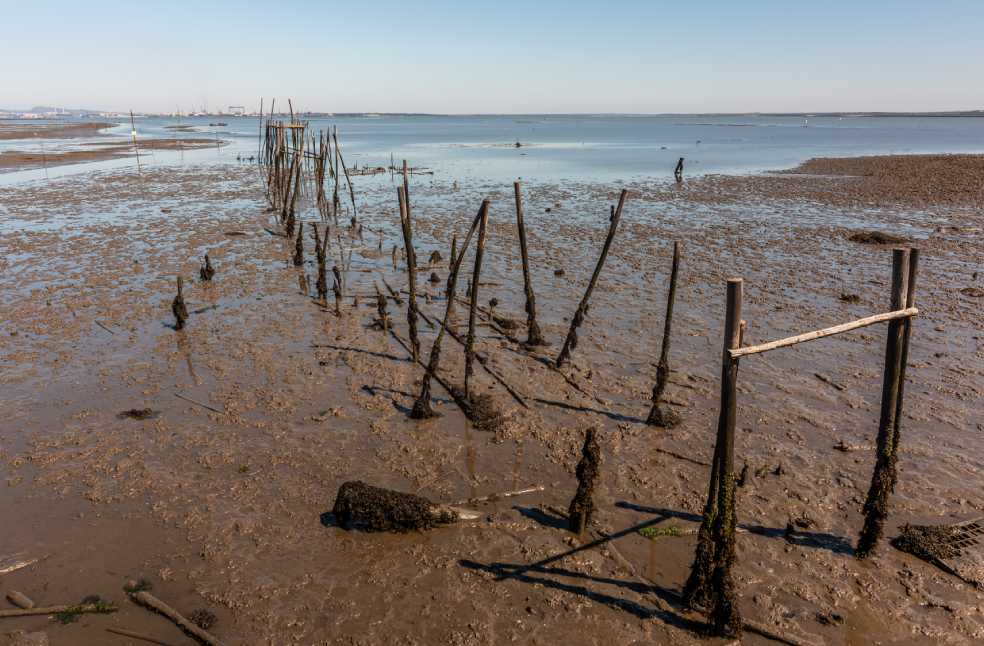
United States: A major new scientific analysis has revealed that more than 5,500 toxic and industrial sites across the United States could face coastal flooding by 2100, posing severe environmental and public health risks as sea levels rise.
The study led by scientists at the University of California examines how rising seas, intensified by unchecked greenhouse gas emissions, could inundate hazardous facilities including sewage treatment plants, toxic waste sites, refineries, fossil fuel terminals, power plants, and military sites.
Coastal threat extends across 23 states
Researchers analysed over 47,600 coastal facilities across 23 states and Puerto Rico. Their findings show that more than 11 percent or 5,500 facilities could face a 1-in-100-year flood event by the end of the century under current emissions trajectories.
The flood risk is heavily concentrated at Florida, New Jersey, California, Louisiana, New York, Massachusetts, and Texas account for nearly 80 percent of the threatened sites.
The team compared high- and low-emissions scenarios. While lowering emissions offers minimal near-term benefit, longer-term exposure improves modestly:
- Under low emissions, at-risk sites drop to 5,138, a 7 percent reduction.
- Much of the risk for 2050 is already locked in due to past emissions, leaving nearly 3,800 hazardous facilities exposed within the next three decades.
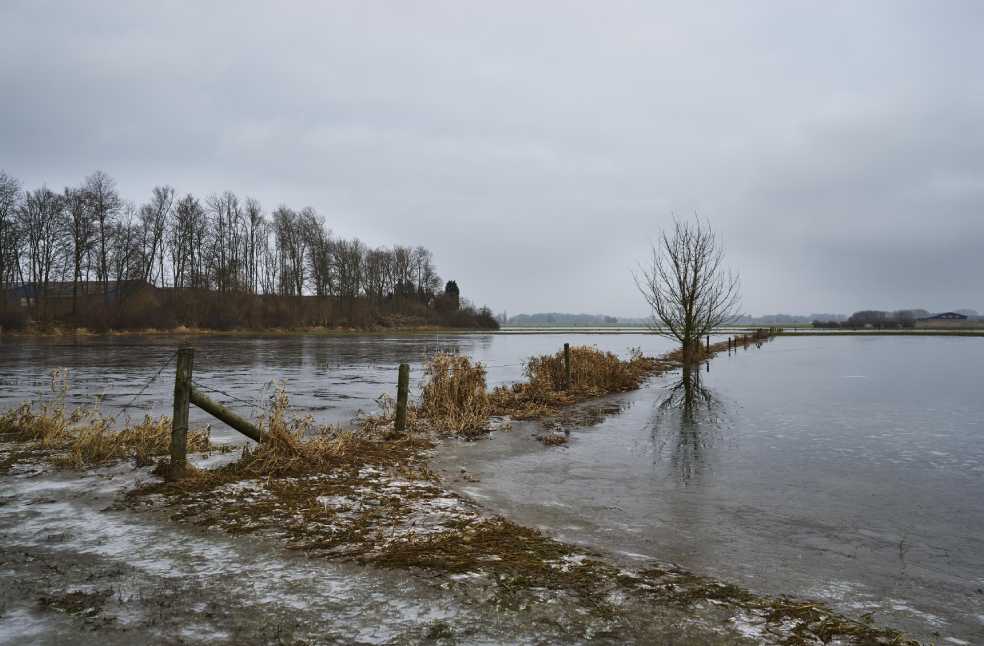
Unequal burden on vulnerable communities
The research also exposes stark inequities. High-risk zones contain disproportionately higher shares of:
- renters
- low-income households
- Hispanic residents
- linguistically isolated households
- older adults and non-voters
- families without cars
These communities often lack the resources to prepare for or rebound from toxic flood events.
Public health concerns mount
Floodwaters contaminated with industrial waste and sewage can trigger:
- skin rashes
- burning eyes
- respiratory issues
- headaches and fatigue
- long-term risks like kidney and liver damage
- increased cancer risk
Sacoby Wilson, University of Maryland stated that, “You have compounding vulnerability. Communities already overburdened by industrial hazards face geographic and socioeconomic risks layered on top.”
Researchers stressed the urgency of land-use reform, disaster planning, and mitigation strategies to avert health crises.
Subsidence and rising seas intensify risk
Several East Coast cities including New York, Baltimore, and Norfolk are also sinking due to factors such as groundwater extraction and building weight, compounding exposure.
The findings echo a June report by the Union of Concerned Scientists, which warned that by 2050, sea-level rise will threaten nearly 3 million Americans across 703 coastal communities, with key infrastructure facing monthly disruptive flooding. As seas rise and land sinks, the urgency to confront toxic flood risk, and its unequal toll has never been greater.
MOST READ | MLB secures broadcast deals with Netflix, ESPN and NBCUniversal
