


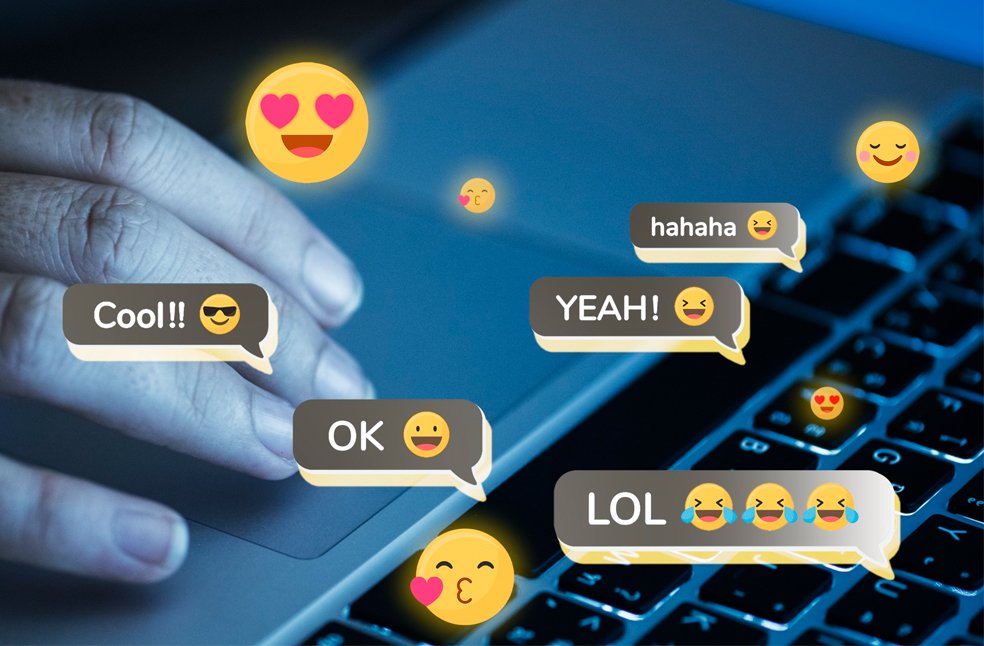
Emojis have become more than just cute icons; they are a universal communication tool that helps people express emotion, personality, and tone in text-based messages.
Widely used in messaging today, emojis are small digital images or symbols used in electronic communication to represent emotions, ideas, objects, or reactions.
From smiling faces and hand gestures to animals and everyday items, these visual icons help users quickly convey feelings and context that might otherwise be difficult to express through plain text.
The habit of using emojis in every single message has grown so common that researchers are actively studying what they really do in communication.
Why emojis matter: Scientific insights
-
Making text more emotional
Emojis act like nonverbal cues in face‑to‑face communication. Research shows that when emojis are included, messages are perceived as emotionally more intense and clearer in meaning than plain text alone. They can convey emotional valence and intensity in ways similar to facial expressions.
-
Increasing Responsiveness & Relationship Quality
A recent study found that messages with emojis are seen as more responsive and warmer, which in turn increases feelings of closeness and relationship satisfaction in digital conversations. This suggests emojis help mimic real social cues online, much like gestures in real life.
-
Improving social interpretations
Research in Computers in Human Behavior showed that emojis influence how people interpret emotions and social cues. Positive emojis made senders appear warmer and helped enhance understanding of the message.
-
Emojis shape message interpretation
In instant messaging, emojis affect how message recipients interpret self‑disclosure and emotional intent, shifting attention from purely factual content to emotional and relational meaning.
-
Linked with emotional intelligence
Studies exploring emoji use alongside emotional intelligence found that people who use emojis frequently tend to express emotions more openly, and their use correlates with social awareness and emotional connection in relationships.
How the habit grew
Emojis originally started as simple emoticons in the 1990s but have evolved into a complex visual language that compensates for the lack of tone and body language in text. Now they serve multiple functions in communication:
- Emotive signals — expressing joy, sadness, or sarcasm
- Clarifiers — reducing ambiguity in interpretation
- Social cues — showing friendliness, warmth, or humor
- Relationship enhancers — reinforcing bonds via responsiveness and empathy
Scholars even describe emojis as a kind of digital prosody, visual cues that add rhythm, tone, and nuance to otherwise flat text.
Different communication preferences
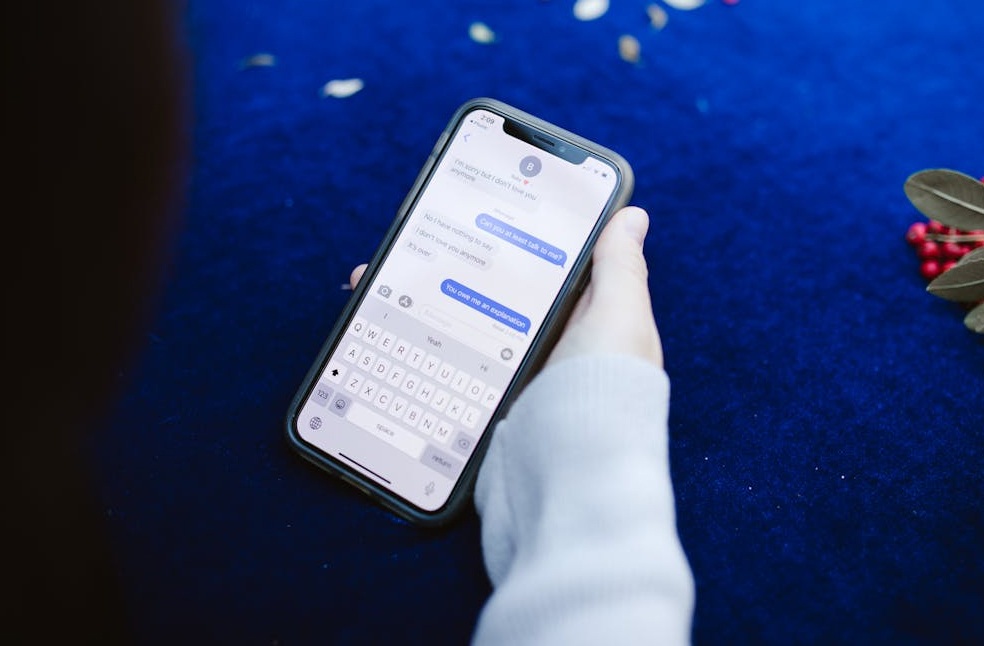
Not everyone enjoys using emojis in their messages. Some people prefer clear, straightforward text and feel that emojis can make communication seem overly casual or unnecessary.
In professional or formal conversations, they may choose words instead of symbols to maintain a more serious tone. Others simply feel that emojis can sometimes distract from the message or be misinterpreted depending on context or cultural differences.
Personal communication style also plays a role, and for many individuals, expressing thoughts through well-written sentences feels more natural than adding visual symbols to every message.
So, Should we use emojis in every message?
There’s no single rule, but the research paints a clear picture:
- Yes, emojis help make communication clearer, friendlier, and more emotionally rich.
- They enhance relationship perceptions and fill gaps left by text alone.
- However, in strictly formal or professional settings, too many emojis might be seen as unprofessional or reduce message seriousness.
In short, the habitual use of emojis isn’t just a trend; it’s a modern linguistic adaptation that helps humans connect better in a digital age where tone, expression, and social cues are harder to convey.
POPULAR | The Four-Day Work Week: Is it the future of work?
