


Bangkok: Thailand has launched a renewed push to curb sugar consumption, with nine of the country’s major coffee chains agreeing this month to halve the amount of sugar classified as ‘normal sweetness’ in selected beverages.
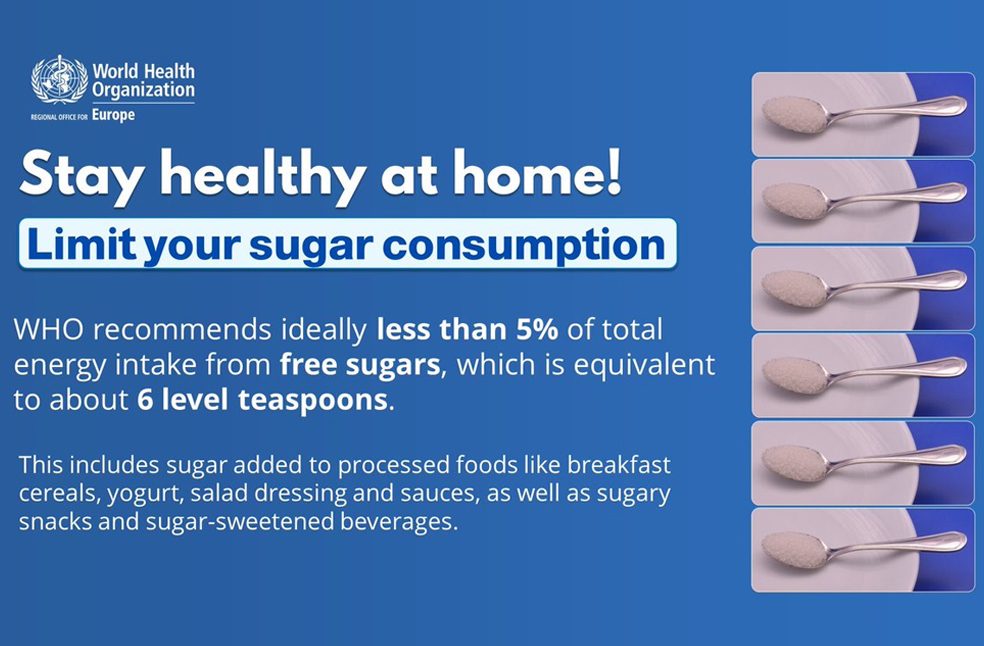
The move is part of a broader government campaign aimed at resetting consumer taste preferences and improving public health. The initiative comes as Thai people consume an average of 21 teaspoons of sugar per day, more than three times the six teaspoons recommended by the World Health Organization.
Sugary drinks are a primary contributor, with Thailand historically ranking among Asia’s largest consumers of calories from sweetened beverages.
Some shop owners stated that the reducing sugar levels would need to be gradual, as many customers are accustomed to sweeter flavours and may take time to adjust to the change.
Sugar tax in Thailand
Under the new campaign, participating café chains, many of which already offer customers sweetness options ranging from 0 percent, 25 percent, 50 percent, 75 percent, to 100 percent, will redefine 100 percent sweetness for certain drinks so that they contain only half the sugar previously used.
The policy seeks to gradually adjust consumer expectations without eliminating choice. Thailand has previously introduced structural measures to address sugar consumption, including a sugar tax phased in from 2017, with the final stage implemented last year.
The tax targets pre-packaged sugary beverages. According to Pojjana Hunchangsith, Assistant Professor at Mahidol University, one of the most significant outcomes has been product reformulation, as manufacturers lowered sugar levels to avoid higher tax brackets.

Fresh drinks still a challenge
However, the tax does not apply to freshly prepared drinks sold by street vendors and cafés, where menus feature a wide array of sweet beverages such as boba milk tea, iced cocoa, lemon tea, and pink milk made from sala syrup. “They are very important sources of sugar intake in Thailand,” Pojjana added, but freshly made drinks are far more difficult to regulate.
Research by Phumsith Mahasuweerachai, associate professor at the Faculty of Economics at Khon Kaen University, indicates that simple behavioural adjustments can influence purchasing decisions.
Mahasuweerachai’s study found that offering customers the option to choose sweetness levels encouraged them to select drinks with less sugar, while providing calorie information alone did not significantly affect choices.
The latest measures reflect Thailand’s continued efforts to tackle rising sugar consumption through a combination of taxation, industry cooperation, and behavioural change strategies.
ALSO READ | Medical tampon trial aims to detect Ovarian Cancer early
