


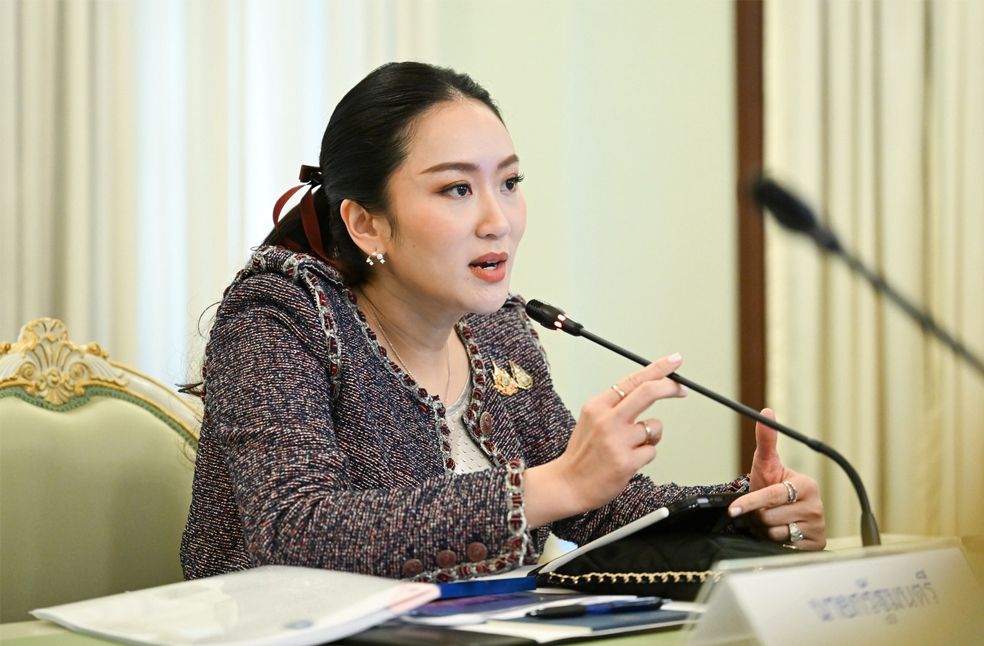
Bangkok: Thailand’s Shinawatra dynasty has been confronting a critical political test, with courts preparing to deliver three major rulings that could reshape the future of its leadership.
The family, which has been central to Thai politics for two decades, has faced the risk of losing its influence through legal outcomes that could unseat Prime Minister Paetongtarn Shinawatra and send Thaksin Shinawatra back to prison.
One of the rulings, expected this week, will decide whether Thaksin insulted the monarchy in a 2015 media interview, a charge that carries penalties of up to 50 years in prison. Another court decision, due within 18 days, will determine if Thaksin’s detention in a hospital wing during 2023 fulfilled his sentence for corruption and abuse of power. Both Thaksin and Paetongtarn have denied any wrongdoing.

Paetongtarn has been accused of an ethics violation linked to a leaked phone call with former Cambodian leader Hun Sen during a border dispute. The Constitutional Court is set to rule on her case on August 29, and she has been suspended from duty in the meantime. If dismissed or forced to resign, parliament would need to select a new premier from candidates nominated before the 2023 election.
The Pheu Thai Party’s remaining candidate, former justice minister Chaikasem Nitisiri has been considered a possible short-term replacement. Other potential candidates include Anutin Charnvirakul, who has left the governing coalition, and former coup leader Prayuth Chan-o-cha, now serving as a royal adviser. Analysts have said that a new election may take place by mid-2026 or sooner, with the Pheu Thai Party facing an uphill battle.
Despite the challenges, some observers have noted that Thaksin continues to retain support from conservative power brokers who want to prevent the opposition People’s Party from gaining control. This has suggested that even unfavourable verdicts may not completely remove the Shinawatra influence from Thai politics.
POPULAR | Visa row sparks diplomatic tensions between Israel and Australia
