


Bangkok: Thailand has closed its border crossings with Cambodia to almost all travellers, including tourists and traders, with rising tensions over a long-standing territorial dispute.
The Thai military announced that crossings across seven provinces, Ubon Ratchathani, Surin, Buriram, Sri Sa Ket, Sa Kaeo, Chanthaburi, and Trat will be closed to all vehicles and individuals, both Thai and foreign nationals.
The move tracks a recent flare-up in hostilities between the two countries. Tensions have escalated since a deadly border clash in May, which resulted in the death of a Cambodian soldier. In response, both governments have taken retaliatory measures, including trade restrictions, visa cuts, and media blackouts.
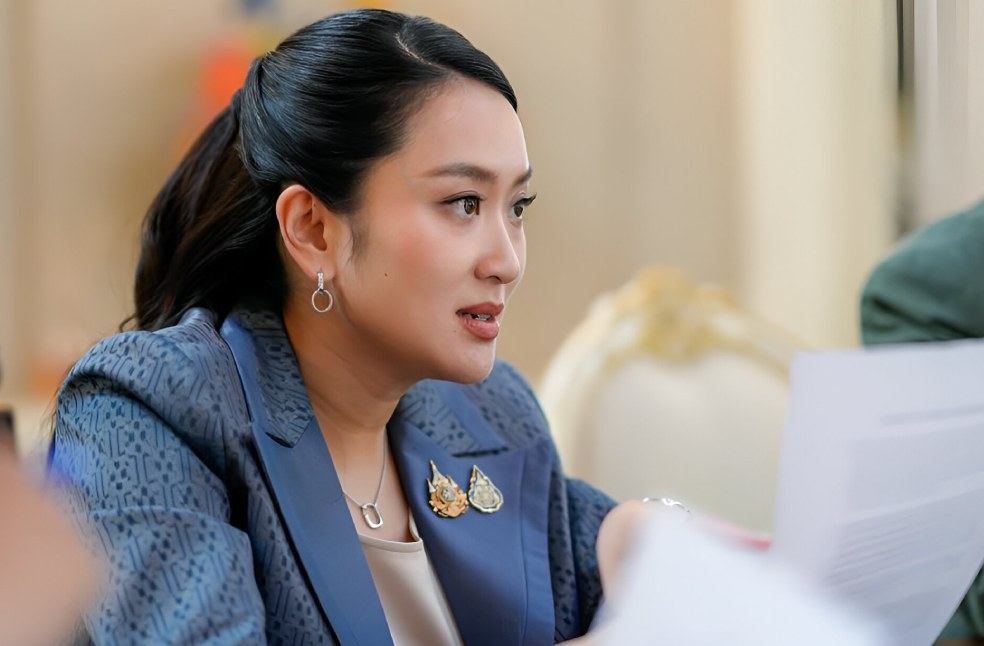
Thailand’s Prime Minister Paetongtarn Shinawatra, already under pressure over her government’s reaction, announced increased screening at remaining land borders. Exemptions will be given only in limited cases, such as patients requiring medical treatment or students with cross-border education needs.
The situation took a dramatic political turn after a leaked phone call between Paetongtarn and Cambodia’s former leader Hun Sen stirred public outrage. In the recording, Paetongtarn refers to Hun Sen as uncle and offers to take care of his concerns, comments seen by critics as undermining national sovereignty. She also appeared to attack a senior Thai military commander. The leak has heightened calls for her resignation and led to the departure of one of her government’s coalition partners.
With protests in Bangkok by nationalist groups supporting the military, the Thai government has vowed to take tougher steps. Paetongtarn said Thailand is considering export bans on items that could be used in online scam operations, an issue tied closely to Cambodian-based criminal networks accused of trafficking and forced cybercrime.
In retaliation for Thailand’s stance, Cambodia has denied Thai television content, reduced internet connectivity from Thailand, and suspended imports of Thai fruits, vegetables, gas, and fuel.
Despite both countries deciding to troop redeployments and limited de-escalation steps, tensions remain high, with nationalism on the rise on both sides of the border.
RELATED | Thailand PM in crisis over leaked call with Hun Sen
