



United States: Tesla has reported record quarterly revenue of $28 billion for the three months ending September, up 12 percent compared with the same period last year, as US buyers rushed to claim federal tax credits on electric vehicles before the incentives expired.
Despite the revenue boost, the company’s profits fell sharply by 37 percent, impacted by higher costs linked to tariffs and research and development, particularly in its artificial intelligence (AI) and robotics initiatives.
Tesla’s finance chief, Vaibhav Taneja, told investors that tariffs imposed on car parts and raw materials by the US government alone cost the company more than $400 million in the last quarter. Vaibhav Taneja added that R&D expenses are expected to rise further as Tesla continues to invest in its future technology.
Shares of Tesla fell around 3.8 percent in extended trading following the results. The company’s stock market valuation of approximately $1.4 trillion has been driven largely by investor confidence in CEO Elon Musk’s ambitions to expand Tesla into AI and robotics, even though vehicle sales remain its main source of income.
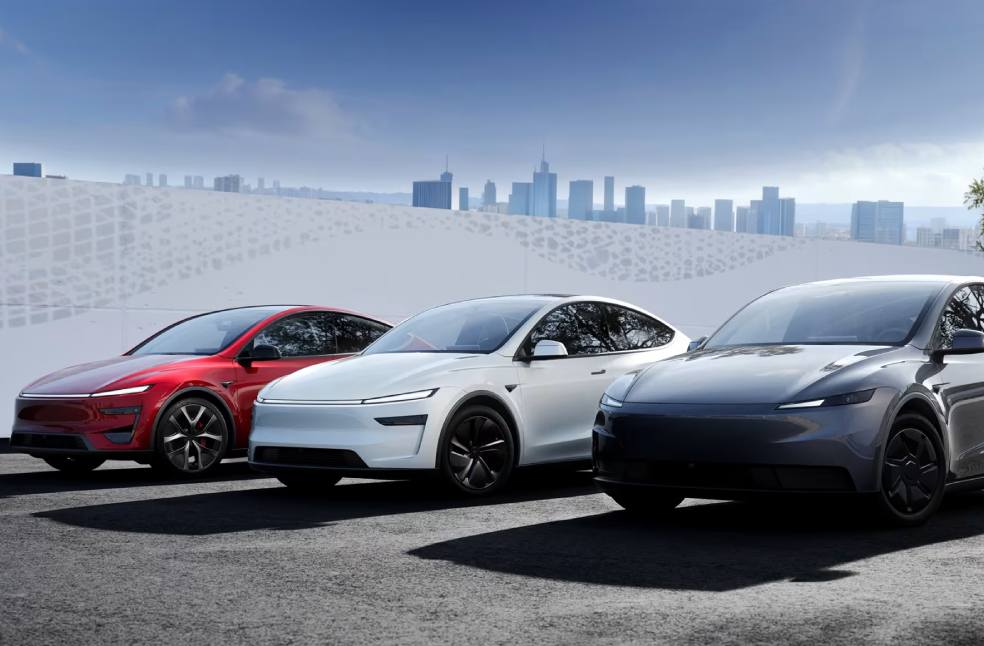
During the quarter, Tesla introduced a six-seat version of its best-selling Model Y, which performed particularly well in China. The company also offered incentives such as five-year interest-free loans and insurance subsidies to attract buyers.
Tesla’s US sales surged as buyers rushed to secure tax credits of up to $7,500 before their expiration at the end of September. However, rivals including Ford and Hyundai recorded even stronger US sales growth during the same period, highlighting the increasing competition from both domestic and Chinese car makers like BYD.
In October, Tesla unveiled more affordable versions of its Model Y and Model 3, priced about $5,000 lower than previous models, in an effort to boost sales as federal incentives ended.
Despite this, investor reaction was muted, with Tesla’s shares dipping as analysts highlighted the company’s historical lag in offering lower-cost vehicles as a factor in losing market ground to competitors. The results precede a shareholder vote in November on a proposed pay package for Elon Musk that could be worth as much as $1 trillion.
TOP PICKS | New Zealand hit by 155km/h winds; Thousands left without power
