


San Francisco: Tesla has confirmed a strategic realignment of its business model after reporting that annual revenue declined by 3 percent in 2025, marking the first yearly drop in the company’s history.
Profits also fell sharply, declining by 61 percent in the final quarter of the year, reflecting rising costs and a transition towards emerging technologies beyond electric vehicles. Tesla has announced plans to end production of the Model S and Model X vehicles.
The California manufacturing plant that previously produced these models will now be repurposed to build the company’s humanoid robots, known as Optimus. This move has highlighted Tesla’s intention to prioritise robotics as a core growth area alongside artificial intelligence development.
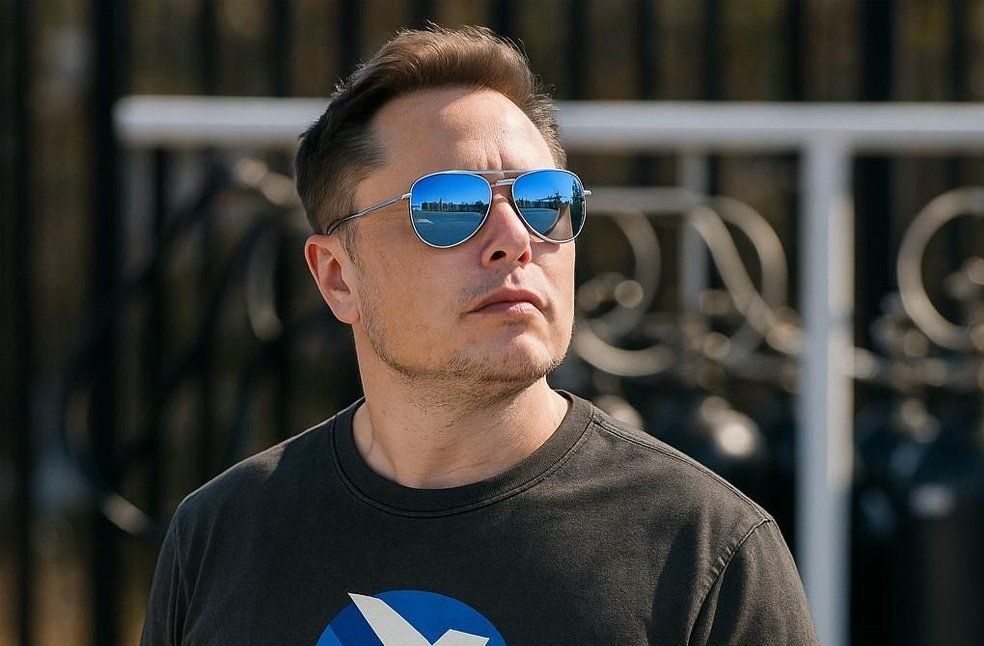
Tesla has also revealed a $2bn (£1.45bn) investment in xAI, an artificial intelligence venture founded by Elon Musk. The investment has aligned Tesla more closely with advanced AI research and development, reinforcing the company’s ambition to become a leader in autonomous systems, robotics, and machine learning applications.
Musk has said that Tesla shareholders had encouraged participation in xAI’s funding round, explaining that the decision reflected investor interest in the company expanding into artificial intelligence. However, the announcement has followed a recent shareholder vote where abstentions and votes against investing in xAI exceeded those in favour, showing mixed sentiment among investors.
Tesla has also indicated that capital spending will rise significantly, with estimates suggesting an additional $20bn (£14.5bn) may be allocated towards new projects. Musk has described this as part of a long-term plan to build what has been called an epic future centred on AI, robotics, and autonomous technologies.
The transformation has come as Tesla has faced growing competition in the electric vehicle market. China’s BYD overtook Tesla as the world’s largest EV manufacturer in January, intensifying pressure on Tesla’s traditional automotive business. Analysts have said that Tesla’s vehicle line-up has appeared increasingly dated compared with competitors introducing newer and cheaper models.
Tesla’s shift has also coincided with political and regulatory challenges. The rescinding of US government subsidies for non-fossil fuel vehicles has reduced incentives that once supported EV sales growth. In addition, Musk’s political activities in the US and internationally have led to protests outside Tesla dealerships and have affected brand perception among some customers.
Despite this, Tesla shares have risen by about 2 percent in extended trading following the announcements, suggesting cautious optimism among investors about the long-term strategy. The company has continued expanding work on robotaxis and autonomous driving systems, positioning these technologies as central pillars of future revenue.
Jessica Caldwell, Head of Insights at Edmunds, has said that the Model S and Model X had become low-volume vehicles for Tesla and that dropping them allows greater focus on higher-demand products such as the Model 3 and Model Y. Caldwell has added that concentrating resources on high-growth technologies like robotics and AI represents a logical evolution for the company.
Tesla has once been among the world’s most profitable car manufacturers, but the current transition has marked a turning point in how the company defines itself. Rather than remaining primarily an EV producer, Tesla has positioned itself as a technology firm with ambitions in artificial intelligence, robotics, and autonomous systems.
As Tesla continues reshaping its portfolio, industry observers have said that the success of Optimus and AI-driven projects will determine whether the company’s bold transformation delivers sustainable growth in a rapidly changing global technology market.
TRENDING | Japan snap election faces cold challenge as snow hits voters
